Published on
August 25, 2025

Miami, Orlando, Las Vegas, New York, Chicago, Boston, and Los Angeles rank among the most expensive U.S. cities for travelers seeking budget-friendly options. Soaring hotel rates, upscale dining, and high-end entertainment drive weekly costs far beyond what cost-conscious visitors can reasonably manage, making these major destinations tough choices for economical travel.
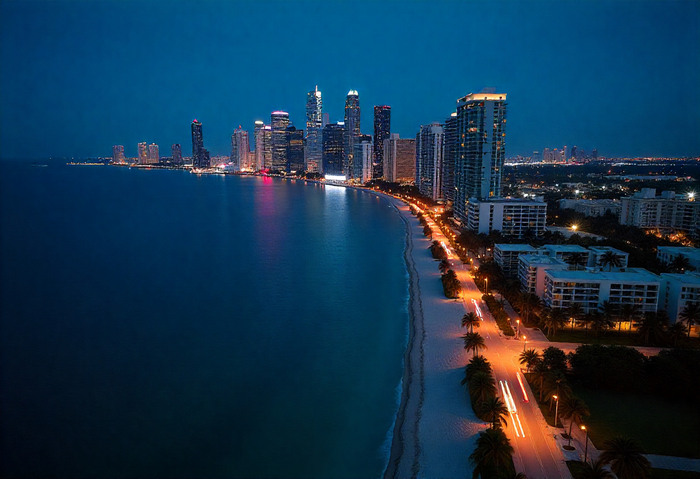
Miami, known for its sun-drenched beaches, lively nightlife, and vibrant culture, is now in the spotlight for a less glamorous reason — it ranks among the least affordable cities in the country for budget travelers. A global study of 102 top destinations places Miami eighth in the U.S. and thirteenth worldwide, with a one-week stay averaging $901 per person even with modest spending, highlighting just how expensive a trip to the city can be.
What Makes Miami So Expensive?
Multiple factors drive Miami’s position as a high-cost destination. The largest expense is accommodation, fueled by soaring demand, limited low-cost lodging, and surging real estate prices. Transportation adds to the burden, as many travelers rent cars and face hefty parking fees.
Dining and entertainment further strain the wallet. While Miami offers top-tier restaurants, nightlife, and attractions, their prices often outpace those in other major cities. The city’s association with exclusivity and luxury reinforces its premium pricing and attracts visitors ready to spend big.
Unlike Orlando, where high prices are tied primarily to theme parks, Miami spreads its costs across every aspect of travel — from hotels and transportation to food and leisure — making it particularly difficult to plan an economical trip.
Inside the Research
The study evaluated average expenses for lodging, food, beverages, entertainment, and local transport across major global destinations, including the most visited U.S. cities. This analysis highlights just how far — or how little — a budget traveler’s money can go in different cities around the world.
Where Your Dollar Goes Further
Not all American cities break the bank. Some offer an excellent balance of affordability and experience:
- Dallas, Texas takes the crown as the most economical U.S. destination, with a weekly average of \$606.10, nearly 40% less than Miami.
- Other wallet-friendly choices include San Francisco (\$741.80), Seattle (\$772.40), San Diego (\$785.90), and Atlanta (\$793.00).
- Even major cultural hubs such as Washington, D.C. (\$800.25), Philadelphia (\$818.00), and Houston (\$860.15) prove more affordable than Miami.
The Big Spenders’ List
On the opposite end are cities where costs climb sharply for budget travelers:
- Boston (\$930.00) and Los Angeles (\$949.00) challenge even careful planners.
- Chicago pushes past the \$1,000 mark, while New York City reaches \$1,141.00 per week.
- Las Vegas, a hotspot for entertainment tourism, averages \$1,204.00.
- Topping the list globally, Orlando claims the title of the most expensive budget destination at \$1,344.00 per person for one week.
Florida’s Price Paradox
Florida dominates both extremes of the affordability spectrum. Orlando stands as the most expensive city in the world for travelers on a tight budget, while Miami ranks among the hardest beach destinations to afford. This trend underscores Florida’s growing tilt toward high-value tourism, leaving little room for cost-conscious visitors.
What This Means for Tourists
For Miami, this reinforces its image as a premium vacation hub, but it could deter budget travelers or middle-income tourists in favor of more affordable alternatives like Dallas or San Diego. The findings also mirror the reality for locals, who contend with some of the steepest living costs in the nation.
Final Word
With weekly expenses surpassing \$900, Miami is firmly positioned as a destination for travelers willing to spend more for the experience rather than those looking for a frugal escape. Meanwhile, Orlando secures its global reputation as the costliest destination, while Dallas emerges as the clear winner for affordability in the U.S.