Published on
December 30, 2025
Monterrey joins Mexico City and Guadalajara to spark a massive Mexico tourism boom in 2026, featuring iconic events, major attractions, and unmatched travel experiences across the country, highlighted by the FIFA World Cup. As the world’s most-watched sporting event draws millions of fans to Mexico, these cities are set to shine, offering visitors an extraordinary blend of cultural heritage, world-class entertainment, and cutting-edge infrastructure. With the FIFA World Cup 2026 as a major catalyst, Mexico’s tourism sector is primed for unprecedented growth, promising an unforgettable year for travelers from around the globe. Beyond football, each city boasts its own unique allure, from Mexico City’s ancient pyramids and vibrant street food scene to Guadalajara’s tequila tours and mariachi music, and Monterrey’s modern skyline set against stunning mountainous landscapes. The continued development of hotels, transportation networks, and fan zones, alongside an exciting calendar of cultural events, ensures that Mexico is ready to deliver a world-class experience for every traveler. With a surge in international visitors expected, 2026 will not only be a milestone for sports fans but a celebration of Mexico’s diverse offerings as a top global tourism destination.

As the 2026 FIFA World Cup draws closer, Mexico is gearing up to not only showcase its footballing prowess but also to spotlight its vibrant cities as hubs for tourism and cultural exchange. With three of the country’s most iconic cities—Mexico City, Guadalajara, and Monterrey—serving as major event venues, the country is poised for an unprecedented surge in tourism that is expected to significantly contribute to the nation’s economy. These cities are not only central to the World Cup matches but also stand at the heart of Mexico’s broader tourism growth, supported by cultural, historical, and natural attractions.
Mexico’s tourism industry has seen remarkable growth this year, driven by both domestic and international interest. According to recent data, Mexico welcomed 71 million international visitors through the first three quarters of 2025, a 13.9% increase year-over-year compared to the same period in 2024. This surge reflects the country’s continued recovery from the pandemic and its rising appeal as a year-round destination for both leisure and business travelers. The influx of tourists is set to increase even further as these key cities prepare for the massive global spotlight of the World Cup.
The rise in tourism numbers can be attributed not only to events like the World Cup but also to the rich cultural offerings, scenic landscapes, and modern infrastructure that these cities boast. Let’s dive into the unique attractions that Monterrey, Guadalajara, and Mexico City have to offer, and how they are playing a central role in Mexico’s tourism growth.
Mexico City – A Cultural Powerhouse
Mexico City, the capital, stands as a beacon for international travelers, offering a rich blend of history, culture, and modernity. Home to some of the country’s most iconic landmarks, this bustling metropolis is where the old and new collide. The Estadio Azteca, one of the most famous football stadiums in the world, will host the opening match of the World Cup on June 11, 2026. With a capacity of 87,523 spectators, Estadio Azteca has already seen two previous World Cups and remains a symbol of Mexico’s footballing legacy.
Top Attractions in Mexico City:
- Zócalo (Plaza Mayor) – The heart of Mexico City, surrounded by colonial architecture and historic buildings, including the Metropolitan Cathedral and the National Palace.
- Chapultepec Park – A massive green space featuring museums, lakes, and the historic Chapultepec Castle, offering panoramic views of the city.
- Frida Kahlo Museum – A must-visit for art and history lovers, this vibrant blue house celebrates the life and works of one of Mexico’s most iconic artists.
- Teotihuacán Pyramids – A short trip from the city, these ancient pyramids are among the most impressive archaeological sites in the world.
- Xochimilco – Famous for its colorful boats and canals, it offers a unique experience to explore the city’s floating gardens.
With the World Cup expected to bring in millions of visitors, Mexico City’s tourism infrastructure is expanding, with new hotels, enhanced transport systems, and the development of dedicated fan zones near the World Cup venues.
Guadalajara – The Heartbeat of Jalisco
As the second-largest city in Mexico, Guadalajara is a cultural epicenter known for its mariachi music, tequila production, and vibrant festivals. Estadio Akron, which will host World Cup matches, is just one of the city’s modern and impressive landmarks. The 48,000-seat stadium offers fans a state-of-the-art experience while the city itself is filled with attractions that highlight Mexican traditions and contemporary flair.
Top Attractions in Guadalajara:
- Tequila Tour – Guadalajara is the birthplace of tequila, and visitors can take a tour of the Tequila Valley, learning about the distillation process and sampling some of the finest tequila.
- Mariachi Square – The soul of Guadalajara, this area is where visitors can experience the famous mariachi music and dance, one of Mexico’s most beloved cultural expressions.
- Guadalajara Cathedral – A stunning example of colonial architecture, this 16th-century cathedral is a must-see for history buffs and architecture enthusiasts.
- Tlaquepaque – A picturesque neighborhood known for its charming streets, artisan markets, and vibrant local arts scene.
- Hospicio Cabañas – A UNESCO World Heritage Site, this cultural center features murals by famed artist José Clemente Orozco and offers insight into Mexico’s rich cultural history.
In recent years, Guadalajara has seen a 6.5% increase in tourist revenue and remains a popular destination for both national and international tourists. The city’s welcoming atmosphere, rich heritage, and proximity to tequila production make it an essential stop for travelers.
Monterrey – Mexico’s Industrial Jewel
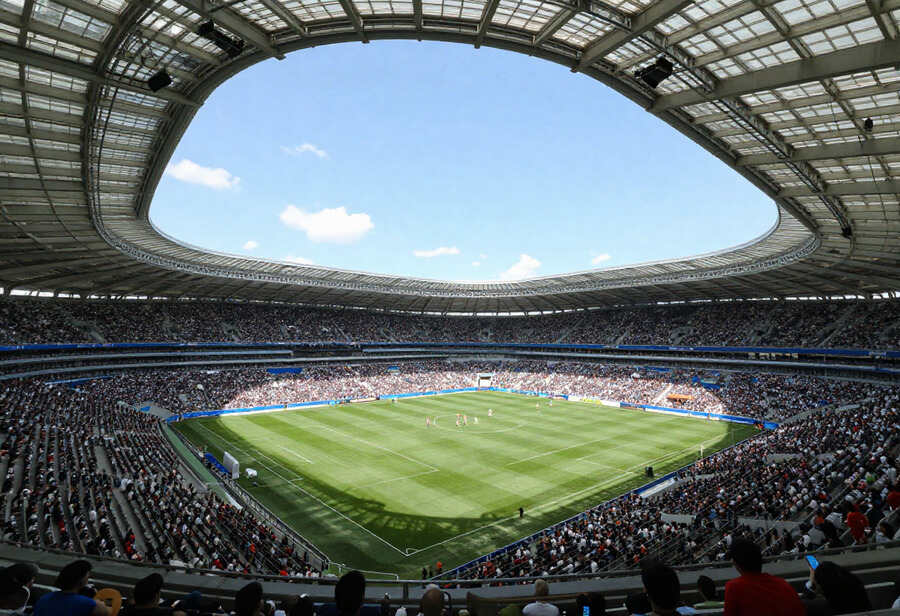
Located in the northern part of the country, Monterrey is Mexico’s third-largest city and the country’s industrial hub. It is a city of contrasts, where modern skyscrapers sit alongside rugged mountains. Estadio BBVA, often referred to as the “Steel Giant,” will host several World Cup matches, including a Round of 32 game. Its futuristic design and cutting-edge amenities make it a premier venue for international events.
Top Attractions in Monterrey:
- Fundidora Park – A massive park that blends nature and industrial history, featuring museums, walking trails, and the iconic Steel Museum, a testament to Monterrey’s industrial roots.
- Chipinque Ecological Park – A natural oasis on the outskirts of the city, offering stunning views of the surrounding mountains and a variety of hiking trails.
- Macroplaza – The largest urban park in the city, where visitors can explore fountains, monuments, and open-air museums, making it a great place to relax and take in the sights.
- Barrio Antiguo – The historic district of Monterrey, where visitors can stroll down cobblestone streets, dine in traditional restaurants, and explore local shops.
- Cerro de la Silla – Monterrey’s most famous mountain, offering panoramic views of the city and hiking opportunities for adventure seekers.
Monterrey’s tourism growth has been impressive, with a 12% year-over-year increase in visitors in 2025. The city’s blend of modernity and tradition, combined with its strong cultural identity, is drawing travelers from all over the world.
2026 FIFA World Cup Matches in Mexico: Key Fixtures Across Mexico City, Guadalajara, and Monterrey
| Date | Match | Venue | City | Capacity |
|---|---|---|---|---|
| June 11, 2026 | Opening Match – Mexico vs. Opponent | Estadio Azteca | Mexico City | 87,523 |
| June 11, 2026 | South Korea vs. UEFA Path D Winner | Estadio Akron | Guadalajara | 48,071 |
| June 14, 2026 | Argentina vs. Peru | Estadio Akron | Guadalajara | 48,071 |
| June 17, 2026 | Ecuador vs. Peru | Estadio BBVA | Monterrey | 53,460 |
| June 21, 2026 | South Korea vs. Argentina | Estadio Akron | Guadalajara | 48,071 |
| June 23, 2026 | Mexico vs. South Africa | Estadio Azteca | Mexico City | 87,523 |
| June 25, 2026 | Round of 32: Match 1 | Estadio BBVA | Monterrey | 53,460 |
| June 28, 2026 | Round of 32: Match 2 | Estadio Azteca | Mexico City | 87,523 |
| July 2, 2026 | Round of 16: Match 1 | Estadio Akron | Guadalajara | 48,071 |
| July 6, 2026 | Round of 16: Match 2 | Estadio BBVA | Monterrey | 53,460 |
Tourism Growth in Mexico – The Bigger Picture
The broader tourism landscape in Mexico continues to thrive. In 2025, Mexico’s international tourist arrivals reached 71 million, a 13.9% increase compared to the same period in 2024. This growth is being driven by key destinations such as Cancún, Mexico City, and Los Cabos, along with the cultural and historical appeal of cities like Guadalajara and Monterrey.
In addition, tourism revenue has also risen significantly, with $25.7 billion in earnings as of September 2025, reflecting a 6.5% increase from 2024. The rising number of international visitors is expected to peak as the FIFA World Cup 2026 draws more attention to the country, with projections estimating over 5.5 million visitors during the tournament alone.
Mexico’s tourism sector is benefiting from strategic investments in infrastructure, including improvements in airports, transportation networks, and the development of new hotels and resorts. These efforts are aimed at enhancing the overall visitor experience, ensuring that Mexico remains one of the world’s top travel destinations.
Monterrey joins Mexico City and Guadalajara to spark a massive Mexico tourism boom in 2026, featuring iconic events, major attractions, and unmatched travel experiences across the country, highlighted by the FIFA World Cup. These cities are set to welcome millions of international visitors, driven by the global spotlight on the World Cup and the growing appeal of Mexico’s rich cultural, historical, and modern attractions.
As Monterrey, Guadalajara, and Mexico City prepare to host the world’s attention in 2026, Mexico’s tourism industry is poised for substantial growth. The FIFA World Cup is just the beginning, with each city offering a unique blend of modern amenities, cultural experiences, and natural beauty. The ongoing economic impact of tourism will not only strengthen Mexico’s position as a global tourist destination but will also create lasting opportunities for local businesses and communities. With a robust growth trajectory and an ever-expanding global reputation, Mexico is set to shine on the world stage in 2026 and beyond.