Published on
February 10, 2026

A Living Marketplace at the Heart of Colombo
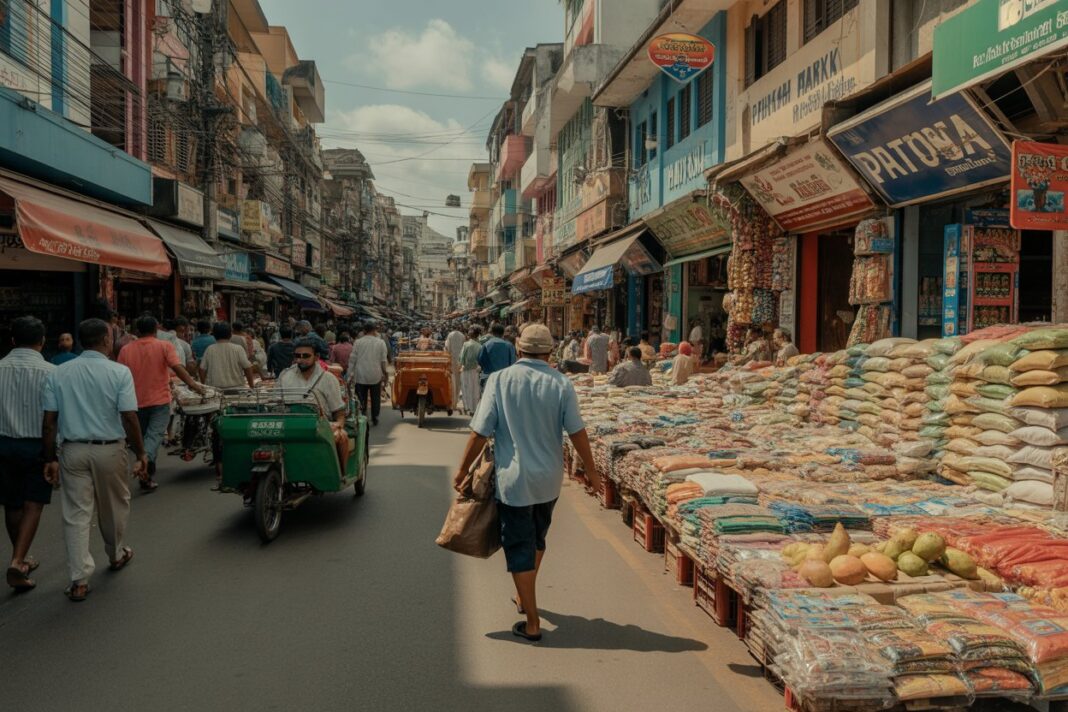
Few places in Sri Lanka capture the pulse of everyday life as intensely as Pettah Market. Located in the historic commercial quarter of Colombo, this vibrant bazaar is a sensory experience—busy streets lined with stalls, shopfronts overflowing with goods, the scent of spices in the air, and the constant movement of traders, shoppers, tuk-tuks, and delivery carts.
For travelers, Pettah Market is not simply a shopping destination. It is a living cultural landscape where Sri Lanka’s trading traditions continue much as they have for generations. The market’s energy is immediate and unforgettable, offering visitors an unfiltered glimpse into the commercial soul of Colombo.
From textiles and electronics to fresh produce, jewelry, perfumes, and traditional spices, Pettah Market delivers a raw and authentic experience that contrasts sharply with the city’s modern malls and luxury boutiques. It is one of the most iconic urban attractions in Sri Lanka and a must-visit for tourists who want to experience Colombo beyond its polished skyline.
History and Geographical Location of Pettah Market
A Trading Hub Rooted in Colonial Colombo
The history of Pettah Market, Colombo, is closely tied to Colombo’s development as a major port city. The area of Pettah has long served as a center for trade due to its proximity to Colombo Harbor. Over centuries, traders from South Asia, the Middle East, and Europe contributed to the growth of this district as a vital commercial zone.
Advertisement
Advertisement
During the Portuguese and Dutch colonial periods, Pettah became an important trading area supplying goods to the port. Later, under British rule, Colombo expanded into a structured administrative city, but Pettah remained the beating heart of commerce—crowded, diverse, and intensely active.
The name “Pettah” is believed to have originated from the Sinhalese word for “outside the fort,” referring to its location near the old Colombo Fort area, where colonial administrators and military forces once operated.
Advertisement
Advertisement
Even today, the market retains its historic identity as a wholesale and retail powerhouse, supplying goods not only to Colombo but to towns across Sri Lanka.
Where Pettah Market Is Located in Sri Lanka
Pettah Market is located in central Colombo, just outside the Fort area, near Colombo Fort Railway Station and the main bus terminals. Its strategic placement makes it one of the most accessible markets in Sri Lanka.
The district is a dense network of streets, each often specializing in particular products. Some roads are known for textiles, others for electronics, jewelry, footwear, or spices. This organization has developed naturally over time and contributes to Pettah’s reputation as one of South Asia’s most fascinating traditional trading quarters.
For tourists, the location is ideal because it can easily be combined with other nearby attractions such as the Old Dutch Hospital, Jami Ul-Alfar Mosque (Red Mosque), and the Colombo Fort waterfront zone.
The Importance of Pettah Market in Global Tourism
An Authentic Cultural Experience for International Travelers
Global tourism is increasingly shaped by travelers seeking authenticity. Many visitors want more than curated attractions—they want places that reveal local culture, daily routines, and real community life. Pettah Market delivers this in its purest form.
Walking through Pettah feels like stepping into the daily rhythm of Colombo. The market is not designed for tourists, yet it welcomes them naturally. This authenticity makes it one of Sri Lanka’s most valuable urban tourism assets.
International travelers often describe Pettah as one of the most memorable parts of their Colombo visit because it provides an immersive experience—colorful, chaotic, and culturally rich.
A Showcase of Sri Lanka’s Trading Identity
Sri Lanka has long been a trading nation due to its strategic location in the Indian Ocean. For centuries, merchants traveled to the island for spices, gemstones, tea, and handmade goods. Colombo Pettah Market, SriLankak, reflects this historic identity as a center of commerce and exchange.
The market’s goods represent both local craftsmanship and international trade links. From Sri Lankan cinnamon and herbal oils to imported electronics and fabrics, Pettah demonstrates Colombo’s role as a regional commercial gateway.
For global tourism, this reinforces Sri Lanka’s image not only as a scenic destination, but also as a culturally complex and economically dynamic nation.
Supporting Local Businesses and Community Tourism
Pettah Market also plays a major role in supporting local livelihoods. Many businesses here are family-run, and the district depends heavily on daily trade. Tourists who shop in Pettah contribute directly to local economic activity, helping small vendors, wholesalers, and traditional merchants.
This form of tourism spending is significant because it benefits everyday communities rather than only large corporations.
What to Buy and See at Pettah Market
Textiles, Clothing, and Fabrics
One of the biggest attractions of Pettah is its textile trade. Many streets are filled with fabric sellers offering everything from colorful cotton to formal wear material, lace, and embroidered cloth.
Tourists often visit to purchase:
- Sarongs
- Batik fabric
- Ready-made clothing
- Wholesale fabric rolls
- Traditional wedding textiles
For travelers interested in fashion or handmade souvenirs, this is one of the most rewarding shopping experiences in Colombo.
Spices, Tea, and Herbal Products
Sri Lanka is world-famous for its spices, and Pettah Market is one of the best places to see them in bulk. Visitors will find sacks of cinnamon, cloves, cardamom, pepper, dried chilies, and curry blends.
Tea lovers can also purchase:
- Ceylon black tea
- Green tea blends
- Herbal infusions
- Gift packs for souvenirs
This section of the market is especially popular with tourists because it offers a sensory experience—aromas, textures, and vibrant natural colors.
Electronics and Household Goods
Certain parts of Pettah are known for electronics, mobile accessories, lighting products, and household supplies. While tourists may not always come specifically for electronics, browsing these streets gives insight into Colombo’s modern consumer trade.
Bargaining is common, and prices may vary depending on the shop and product type.
Jewelry, Watches, and Accessories
Another major highlight is the jewelry trade. Visitors can find gold shops, gemstone traders, and accessory stores selling watches and imitation jewelry.
While buying gemstones requires caution and reputable dealers, browsing these areas still offers an interesting cultural experience, reflecting Sri Lanka’s long history as a gem-producing nation.
Street Food and Local Snacks
Although Pettah is not as famous for street food as some other parts of Colombo, visitors can still find small eateries and vendors selling quick snacks such as:
- Samosas
- Roti varieties
- Fresh fruit
- King coconut water
- Sri Lankan sweets
For tourists, stopping for a quick refreshment while exploring the market is part of the overall experience.
How to Reach Pettah Market
From Bandaranaike International Airport
Bandaranaike International Airport is around 30 kilometers from Colombo city center. Tourists can reach Pettah Market using:
- Taxi or private transfer
- App-based ride services
- Airport shuttle buses to Colombo Fort
Once near Colombo Fort, Pettah is only minutes away.
Travel time typically ranges from 45 minutes to 1.5 hours, depending on traffic conditions.
From Colombo Fort Railway Station
Pettah Market is located extremely close to Colombo Fort Railway Station, making it one of the easiest attractions to reach for travelers arriving by train. From the station, visitors can reach the market by:
- Walking (short distance)
- Tuk-tuk ride (quick and affordable)
- Local bus
Because the market is so close, it is ideal for tourists who want to explore Colombo immediately after arriving.
By Public Bus or Tuk-Tuk
Pettah is also a major public transport hub. Many buses stop in or near the market district. Tuk-tuks are widely available, though visitors should confirm the price before starting the ride if the vehicle is not metered.
For travelers staying in Colombo city hotels, reaching Pettah is typically easy and inexpensive.
Who Can Visit Pettah Market?
A Market for Curious Travelers and Local Explorers
Pettah Market is open to everyone and attracts a wide variety of visitors. It is especially suitable for:
- Tourists interested in local culture
- Budget travelers looking for affordable shopping
- Photographers seeking street-life scenes
- Food and spice lovers
- Travelers searching for souvenirs
- Visitors wanting to experience Colombo’s daily energy
However, because Pettah is crowded and fast-moving, it is best enjoyed by travelers comfortable with busy environments.
Families and Senior Visitors
Families can visit Pettah, but parents should keep children close due to traffic and crowds. Senior travelers can also enjoy the market, but the walking conditions may be challenging due to narrow streets, uneven sidewalks, and high activity.
For those who prefer calmer shopping environments, Pettah may feel overwhelming, but for adventurous travelers, it is one of the most exciting districts in Colombo.
Best Time to Visit Pettah Market
Best Season to Visit
Pettah Market can be visited year-round, but the most comfortable time for tourists is during Sri Lanka’s drier months:
During this period, walking around Colombo is generally more pleasant, and sudden heavy rains are less frequent.
Best Time of Day
The best time to visit Pettah Marke,t Colombo is:
- Morning (9:00 AM to 11:30 AM)
Morning hours are ideal because shops are open, the market is active, and the heat is still manageable. Visiting in the afternoon can be tiring due to Colombo’s humidity and the crowded atmosphere.
Many shops begin closing in the evening, and the market becomes less lively compared to daytime hours.
Weekdays vs Weekends
Weekdays are typically the best choice for tourists, as weekends can become extremely crowded. On weekdays, visitors have more space to browse, take photos, and interact with vendors without the heaviest foot traffic.
Travel Tips for Exploring Pettah Market
Bargaining Is Expected
One of the defining aspects of shopping in Pettah is bargaining. Prices are not always fixed, and negotiation is a normal part of the experience. Tourists are encouraged to bargain politely and respectfully.
A friendly approach often leads to better prices and a more enjoyable interaction.
Dress Comfortably and Travel Light
Because Pettah involves significant walking in crowded streets, visitors should wear comfortable shoes and light clothing. Carrying a small backpack or crossbody bag is recommended for convenience.
Be Aware of Traffic and Crowds
Unlike pedestrian-only markets, Pettah streets often have tuk-tuks, motorcycles, and delivery vehicles moving through narrow lanes. Visitors should stay alert while walking, especially when stopping to browse stalls.
Keep Valuables Secure
As with any crowded market worldwide, tourists should keetheir p wallets, phones, and passports secure. Carrying only necessary cash and keeping valuables close is recommended.
Explore the Red Mosque Nearby
One of the most photographed landmarks near Pettah is the Jami Ul-Alfar Mosque, often called the Red Mosque due to its striking red-and-white striped design. Many tourists combine this with their market visit for a richer cultural experience.
Why Pettah Market Is a Must-Visit in Colombo
Colombo offers modern shopping malls and stylish retail outlets, but Pettah Market remains the city’s most iconic commercial district because it reflects the real spirit of Sri Lankan trade and street culture.
It is lively, intense, and sometimes overwhelming, yet deeply rewarding. Tourists leave with more than shopping bags—they leave with stories, sensory memories, and a better understanding of Colombo’s character.
From its historic role as a trading center to its modern function as a wholesale powerhouse, Pettah continues to define Colombo’s commercial heartbeat. For travelers seeking authenticity, this market is one of the most valuable places to explore in Sri Lanka.
A Vibrant Ending to Colombo’s Most Energetic Experience
A visit to Pettah Market is not just a shopping trip—it is an immersion into the dynamic rhythm of Colombo. The narrow streets filled with spices, fabrics, voices, and movement reveal a side of Sri Lanka that cannot be experienced in quiet museums or coastal resorts. It is where tradition meets modern commerce, and where local life unfolds at full speed.
For global tourists, Pettah offers something rare: a raw, genuine marketplace that still thrives in its original form. Whether you come to buy souvenirs, photograph the vibrant streets, or simply experience the atmosphere, Pettah Market remains one of Colombo’s most unforgettable attractions and a true reflection of Sri Lanka’s trading heritage.