Shares in trucking and logistics companies have plunged as the sector became the latest to be targeted by investors fearful that new artificial intelligence tools could slash demand.
A new tool launched by Algorhythm, a former maker of in-car karaoke systems turned AI company with a market capitalisation of just $6m (£4.4m), sparked a sell-off on Thursday that made the logistics industry the latest victim of AI jitters that have already rocked listed companies operating in the software and real estate sectors.
The launch of Algorhythm’s SemiCab platform, which it claimed was helping customers scale freight volumes by 300% to 400% without having to increase headcount, sparked an almost 30% surge in the company’s share price on Thursday.
However, the impact of the announcement sent the Russell 3000 Trucking Index – which tracks shares in the US trucking sector – down 6.6% on Thursday, with CH Robinson Worldwide plunging 15% by the close of trading, having been down as much as 24%.
The fall across the sector – Landstar System dropped 16%, RXO 20.5% and J.B Hunt Transportation Services and XPO both about 5% – was the worst since Donald Trump’s tariff trade war in April last year.
“The level of paranoia is Category 5,” said Joseph Shaposhnik, a portfolio manager at Rainwater Equity. “It’s not something that we’ve seen in quite a long period of time.”
Algorhythm Holding’s chief executive expressed incredulity that his company could spark an artificial intelligence “scare trade” reaction of such scale.
“Never in my wildest dreams would I ever have imagined a day like today,” said Gary Atkinson, whose company was considered a “penny stock” in terms of stock market scale. “It’s almost like David versus Goliath.”
Listed drug distribution stocks were also caught up in the sell-off, with McKesson Corp and Cardinal Health falling about 4%.
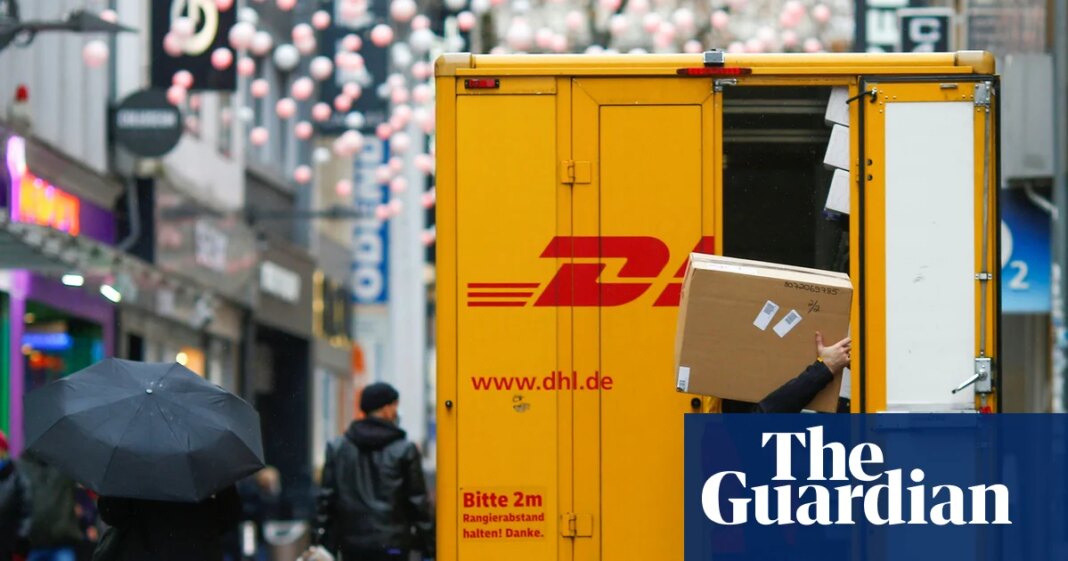
In Europe, the logistics business DHL Group fell 4.9%, DSV A/S fell 11% and Kuehne + Nagel International AG plunged 13% in late trading on Thursday.
“[There is an] emerging debate around open-source automation agents such as Molt Bot that offer increased potential to automate routine back-office tasks and help equalize the technology playing field for smaller operators,” said Daniel Moore, an analyst at Baird.
Algorhythm was previously focused on developing in-car karaoke systems, but sold its Singing Machine business to Stingray for $4.5m in 2025 before pivoting to its AI freight platform.