Published on
March 3, 2026

Image generated with Ai
The San Fermín Festival, an iconic celebration in Pamplona, Spain, is returning in 2026 with even more thrilling events and cultural spectacles. From 6 to 14 July, the streets of this historic city will be filled with the energy of both locals and international visitors, all donning the traditional red and white attire. This fiesta, dedicated to San Fermín, has been a central part of Pamplona’s identity since 1657 and draws millions of tourists each year.
While the festival’s origins are rooted in religion, its lively atmosphere and intense events, such as the world-famous bull runs, make it a unique travel destination. The opening of the festival on 6 July, marked by the Chupinazo rocket, signals the start of a nine-day celebration filled with music, dance, and daredevil pursuits. Pamplona becomes a whirlwind of excitement, attracting tourists who seek to experience this blend of devotion, history, and adventure.
The festival’s history dates back to the Middle Ages, evolving from a religious fair into the modern spectacle we see today. Initially, Pamplona’s celebration was a fair held in October to honour San Fermín, but in 1591, it was moved to July to coincide with the trade fair and bullfights. In the 20th century, the festival gained international fame, particularly after the publication of Ernest Hemingway’s novel The Sun Also Rises, which romanticised the event and drew global attention. Today, the event is a major draw for thrill-seekers and culture enthusiasts alike.
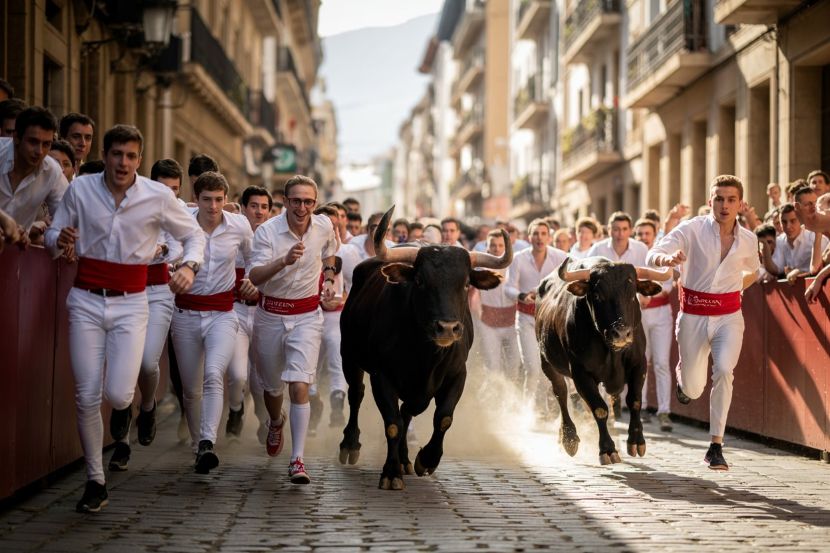
One of the most iconic elements of San Fermín is the encierro, or bull run. Every morning from 7 to 14 July, participants race alongside six bulls, navigating Pamplona’s narrow streets as the animals charge ahead. The encierro spans 848 meters, and its high-risk nature adds to the allure for both participants and spectators. As each rocket signals a new stage in the run, runners and onlookers experience a collective adrenaline rush. However, safety remains a priority, with strict rules in place to ensure the safety of everyone involved.
For those not daring enough to run with the bulls, there are plenty of other ways to engage with the festival. The parades featuring giants and bigheads, which start on 6 July, provide a more family-friendly experience. These figures, towering over four meters high, represent different cultures and dance through the streets, adding a magical touch to the festivities. The colourful displays of cultural pride are accompanied by the traditional sounds of bagpipes and flutes.
Meanwhile, the peñas—local social clubs—are the heartbeat of the fiesta. The peñas organise parades, concerts, and dinners that keep the spirit of San Fermín alive throughout the week. These groups are essential to the success of the festival, providing the music, camaraderie, and celebratory atmosphere that define the event. Their spirited marches through the city create a dynamic and unforgettable experience for visitors.
Advertisement
Advertisement
Tourists can also immerse themselves in Feria del Toro, the afternoon bullfights that take place from 7 to 14 July. These events, while controversial to some, celebrate the courage of both the bulls and the matadors. Proceeds from the Feria go to support local charities, adding a philanthropic aspect to the festivities.
The festival is not without its risks, however. Prayers for protection before each bull run and official warnings from government sources emphasise the importance of safety. Tourists are urged to respect local customs and follow safety rules to ensure the celebration remains fun and safe. Pamplona’s authorities provide lockers and lost-and-found services to safeguard valuables, and they recommend securing accommodations early, as the city’s capacity is limited during the festival.
As the fiesta draws to a close, Pobre de Mi marks the bittersweet end of San Fermín. The crowd gathers at midnight on 14 July for a candlelit ceremony, singing songs of farewell to the saint and the festival. The ritual brings a mix of joy and sadness, as revelers bid adieu to the celebrations and begin counting down to the next year’s fiesta.
For those planning to attend, preparation is key. To fully experience the San Fermín Festival, wearing the traditional white and red attire is a must. Accommodations should be booked well in advance, and visitors should stay informed about the rules for participating in events like the bull run. Whether watching from the safety of the barricades, taking part in the parades, or simply enjoying the lively atmosphere, San Fermín promises to be a once-in-a-lifetime experience that combines religious devotion, cultural tradition, and heart-pounding adventure.
The San Fermín Festival in 2026 promises to be as thrilling as ever, welcoming both seasoned festivalgoers and first timers looking to immerse themselves in this world-renowned celebration. The combination of adrenaline, tradition, and community spirit makes it a must-visit event for anyone seeking an unforgettable summer in Spain.