Published on
March 9, 2026

Image generated with Ai
Travelers in the United States are shifting away from typical metropolitan hubs and toward more rugged, nature-focused places, which is a fascinating shift in North American travel preferences. According to recent research, travel to Montreal—once thought to be the top destination for individuals looking for European flair on the continent—has unexpectedly decreased as a result of the shift in American tourism. On the other hand, due to its year-round outdoor attractions, the province of Alberta is seeing a historic boom in tourists from the United States. Strategic tourism investment and a very favorable exchange rate are driving this trend, making the Canadian West an alluring choice. With direct flights increasing and a robust marketing effort in place, the classic charm of Quebec is being eclipsed by the majestic allure of the Rocky Mountains.
The French Connection Fades: Why Montreal is Losing Its Spark
For decades, Montreal, located in the province of Quebec, has served as a cultural magnet for the American public. The city was widely celebrated for its distinctive French-inspired culture, where historic streets and cobblestone paths in Old Montreal offered a taste of the Old World. Americans were traditionally lured by a sophisticated combination of world-class museums, a legendary culinary scene, and a vibrant nightlife that rivaled major global capitals.
However, it was reported by Tourisme Montréal that U.S. visitor numbers experienced a notable contraction of approximately 5% throughout 2025. This downturn is viewed as a reflection of a broader decline in American tourism to Canada during the mid-year period. While the city remains a bastion of arts and heritage, it is suggested by industry analysts that the post-pandemic traveler is increasingly prioritizing wide-open spaces and physical adventure over densely populated urban environments and indoor cultural exhibits.
The Wild West Wins: Alberta’s Historic Tourism Boom
While the East experiences a cooling period, the Western frontier is witnessing unprecedented growth. It has been confirmed by Travel Alberta that the province recorded a nearly 5% increase in U.S. visitors in 2025, defying the national trend of diminishing cross-border arrivals. This success is attributed to the Higher Ground tourism strategy, a multi-year initiative designed to expand the visitor economy to $25 billion by 2035.
The appeal of Alberta is multi-faceted, ranging from economic pragmatism to raw natural beauty. Several key factors have been identified as the primary drivers of this migration:
- Economic Value: The strength of the U.S. dollar against the Canadian loonie has rendered Alberta a cost-effective luxury destination, allowing travelers to extend their stays and upgrade their accommodations.
- Seamless Access: The expansion of direct flights into Calgary International Airport (YYC) and Edmonton International Airport (YEG) has significantly reduced travel friction for residents of the American Midwest and West Coast.
- Infrastructure for Road Trippers: For those entering by land, the proximity of the Montana border provides easy access by road, making the province a favorite for traditional American driving vacations.
Nature’s Playground: From Glacier Peaks to Stampede Lights
The centerpiece of this tourism revolution remains the unparalleled access to the Rocky Mountains. Unlike seasonal urban destinations, Alberta is positioned as a premier four-season hub, offering high-value experiences regardless of the calendar month.
Advertisement
Advertisement
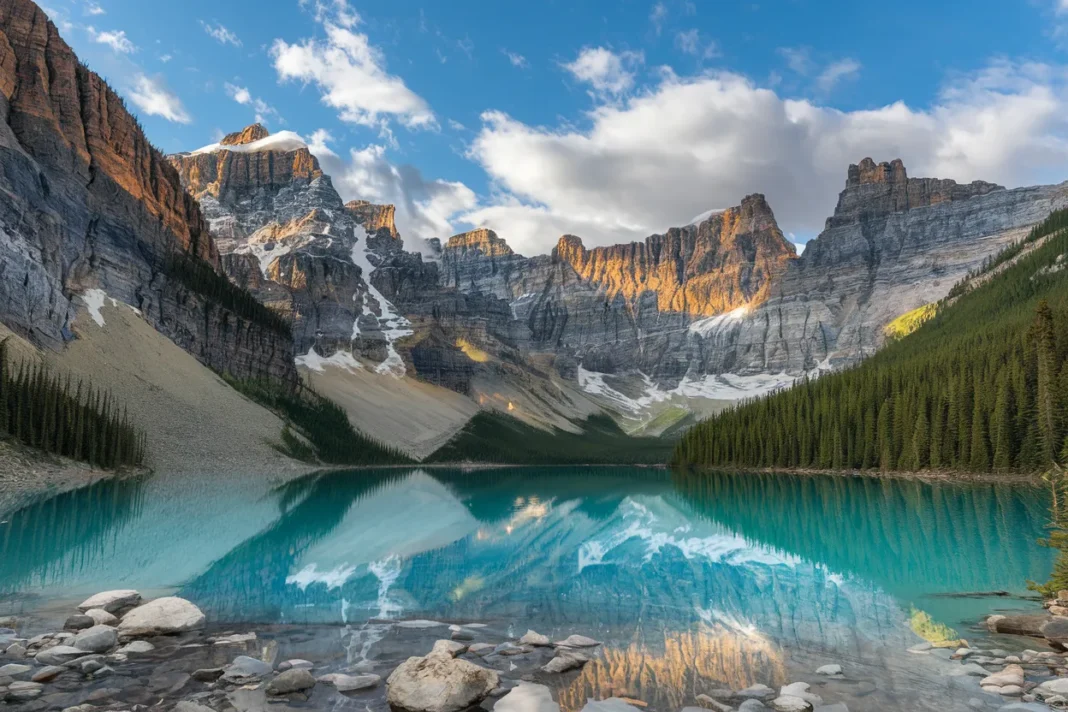
The most significant traffic is observed within the federally protected landscapes of Banff National Park and Jasper National Park. These regions are frequented for their iconic turquoise lakes and jagged peaks, which have become staples of social media travel influence. The Icefields Parkway, often cited as one of the most scenic drives in the world, continues to attract thousands of American motorists seeking to witness the ancient glaciers that define the Continental Divide.
Beyond the wilderness, the urban centers of Calgary and Edmonton have successfully reinvented their appeal. Calgary, in particular, has seen a spike in U.S. attendance for major events such as the Calgary Stampede, as well as various winter sports festivals and city-wide conventions. These metropolitan areas provide a necessary balance, offering high-end festivals, diverse nightlife, and professional sporting events that complement the ruggedness of the nearby mountain ranges.
A New Era of Travel: Mapping the Future of the North
The ongoing shift in American tourism suggests that the “nature-first” mindset is a long-term change rather than a temporary fad. As of early 2026, Alberta continues to outperform other Canadian provinces in attracting international capital, with visitor spending reaching a record-breaking $15.2 billion.
While Montreal remains a vital pillar of the Canadian identity, it is evident that the current traveler is searching for “authentic adventure” over “urban exploration.” The successful collaboration between the Alberta government and private investors has created a model of resilience that other regions are now eager to replicate. As the 2026 travel season progresses, the focus of the American traveler appears firmly fixed on the horizon of the West, where the mountains meet the prairies in a display of natural grandeur that currently remains unmatched in the eyes of the global explorer.