Ukrainian security council secretary Rustem Umerov said on March 20 that Kyiv had deployed interceptor units to protect infrastructure from Iranian drone attacks in five Middle East nations.
In a post on X, Umerov—who was Ukrainian defense minister until July 2025—said he had visited Saudi Arabia, Qatar, Kuwait, Jordan, and the United Arab Emirates (UAE) in the last week and held meetings with the leadership of all five countries.
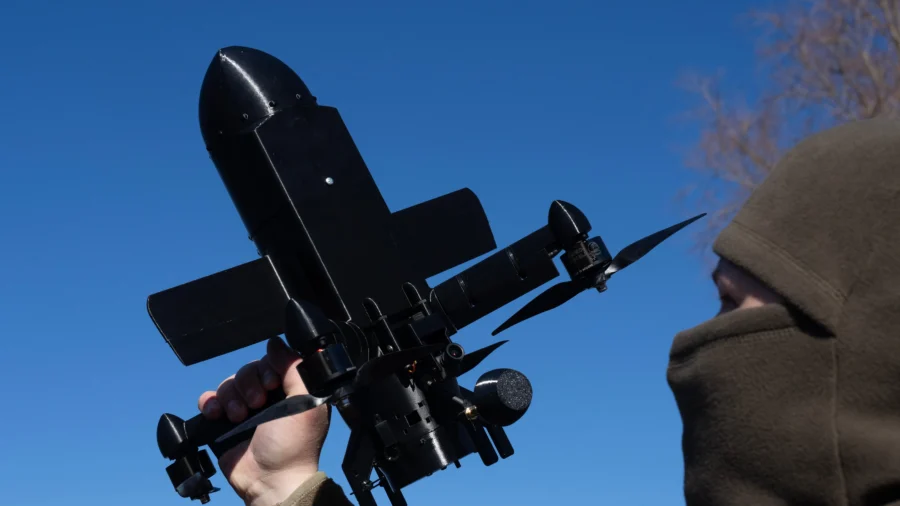
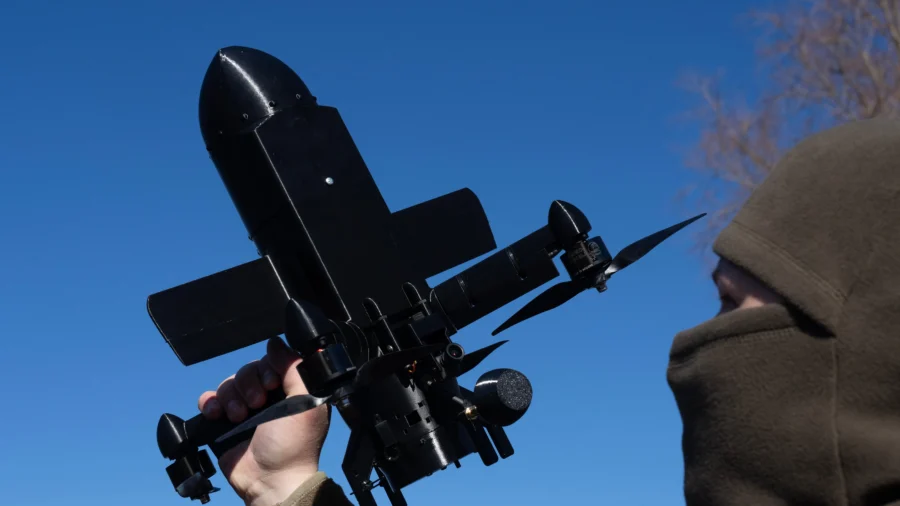
Umerov said Ukrainian military specialists were operating in each country and using Ukrainian technology to counter the threat from drones.
“Interception units have been deployed to protect civilian and critical infrastructure. Work is also underway to expand coverage areas,” Umerov said.
He said they were also preparing “practical solutions for air defense” based on Ukraine’s experience in the four-year war with Russia, which has deployed large amounts of drones on the frontline and against energy and other infrastructure.
In a post on X on March 20, Ukrainian President Volodymyr Zelenskyy said Ukraine had received requests for assistance from several other Middle Eastern states.
“There are also requests from the U.S. side regarding expert support for their military personnel in two areas of the region,” Zelenskyy said.
“We are also reviewing requests from European partners whose forces are based in the region.”
“Ukraine is committed to the swift and reliable stabilization around Iran, which has global significance for oil and gas markets and therefore for pricing, particularly in Europe and Ukraine,” Zelenskyy added.
Iran, an ‘Accomplice of Russia’
“We also take a principled stance on the unacceptability of any success of the terror campaign of the Iranian regime—a long-time accomplice of Russia,” Zelenskyy said.
On March 13, President Donald Trump was asked on Fox News Radio’s “Brian Kilmeade Show” if Ukraine was helping with defenses against drones.
“No, we don’t need their help on drone defense,” Trump said.
“All of them face a serious challenge and speak openly about it: Iranian attack drones are the same ‘shaheds’ that have been striking our cities, villages, and our Ukrainian infrastructure throughout this war,” Zelenskyy said, after a meeting with the leaders of Jordan, Bahrain, Qatar, and the UAE on March 3.
On March 11, Zelenskyy said Kyiv had sent specialists to Saudi Arabia, Qatar, and the UAE to help them combat Iranian drone attacks.
“Regarding the situation in the Middle East, we have sent our teams: three professional, equipped teams,” Zelenskyy told reporters.
“Even those countries that were quietly buying interceptors have, I think, realized that without our military, our operators, our software … without all of that, the interceptors simply don’t work.”
Iranian strikes on Gulf energy sites followed Israeli missile attacks on Iran’s South Pars natural gas field.
The Pars field is the world’s largest natural gas reserve, shared between Iran and Qatar, and South Pars supplies a considerable share of global natural gas.