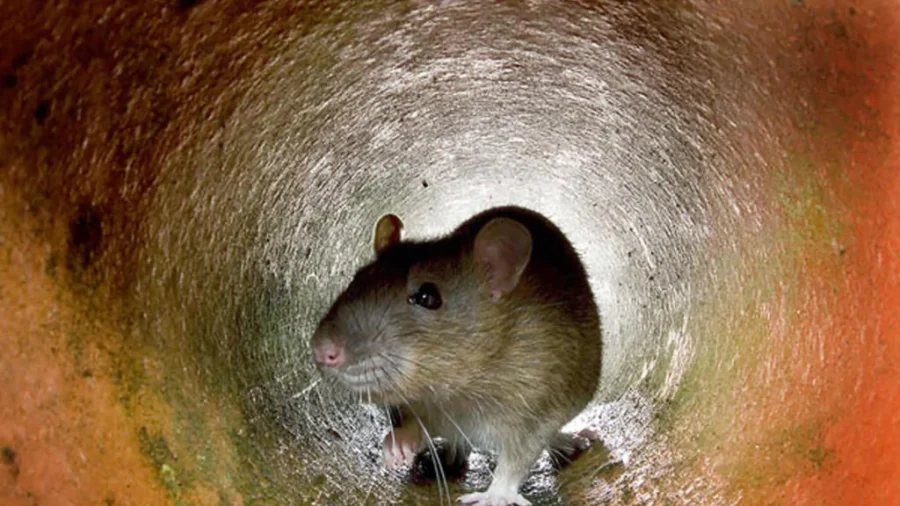
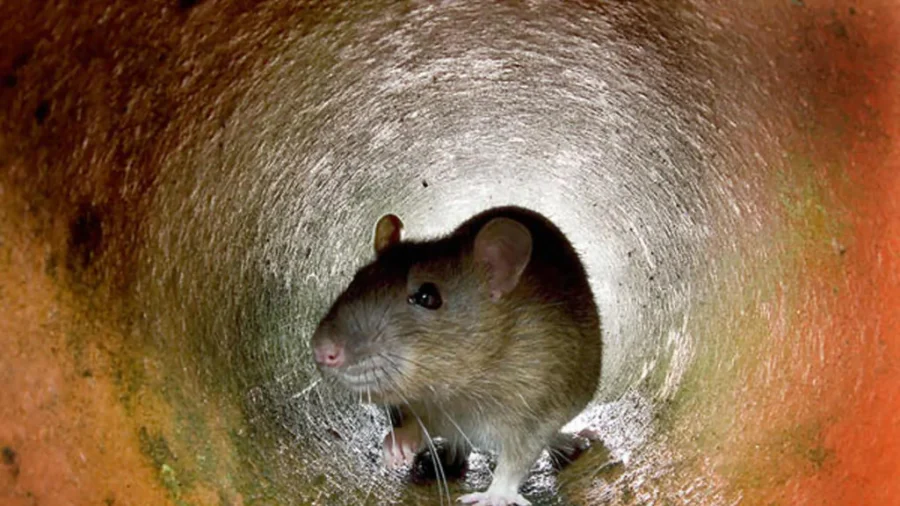
A growing rat problem in Philadelphia has prompted city officials to pass a resolution calling for urgent action, with residents reporting damage to cars and rodent activity around homes and businesses.
Rats can contaminate food and living spaces, chew through electrical wires and building materials, and dig beneath properties, according to the resolution. Those problems can threaten health and safety while leaving residents with repair bills. Some residents in Northeast Philadelphia have reported damage to wiring in their vehicles.
The resolution focuses on Oxford Circle, Castor Gardens, and nearby neighborhoods, where residents have reported rodent issues in yards, stores, cars, empty properties, and shared spaces. It asks city agencies to give special attention to areas with heavy rat activity.
Poorly stored trash, buildings with openings, neglected properties, and abandoned cars can provide rats with food and shelter. The proposal sites those conditions as reasons the problem continues and calls for city workers to address them as part of the response.
A rat problem on one property can affect an entire block, city officials said. When rats find food, shelter, or places to breed, nearby homes and businesses can also expect trouble. The proposal calls for a response that reaches beyond single homes or individual complaints.
The city’s health department, inspection department, and sanitation department each have duties tied to rat control. The measure urges them to share information and plan their work together so residents do not have to contact several agencies to solve one neighborhood problem.
The health department’s Vector Control Services program responds to rodent concerns and controls pests that can carry disease. The Department of Licenses and Inspections checks properties, and handles complaints and issues violations when owners fail to follow city maintenance rules.
The Department of Sanitation collects trash, cleans streets, and handles illegal dumping. Those services help reduce garbage and food waste that attracts rats. The proposal also points to sanitation enforcement and public education as parts of the effort to control the problem.
The proposal seeks immediate action and continued work, including property checks, rat treatment, trash enforcement, and repairs to conditions that allow infestations.
Philadelphia law already requires properties to remain free of rodent infestations. The proposal calls for stronger enforcement against owners who repeatedly fail to fix problems. It also asks agencies to identify any added resources, rule changes, or legal powers needed to address the current rat problem and prevent it from returning to these neighborhoods in the future.