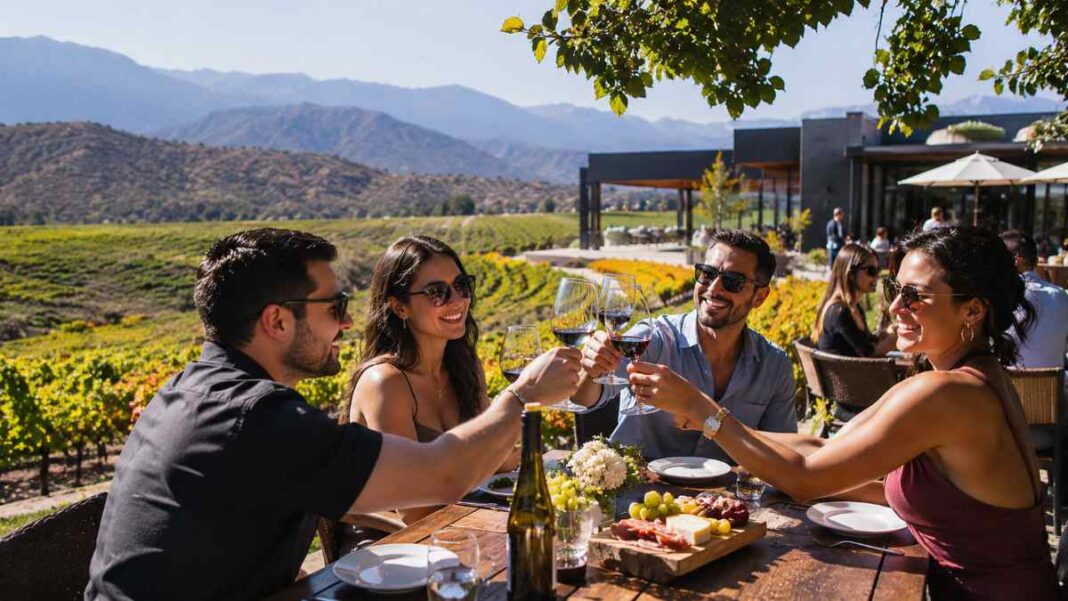

Chile’s wine country is flying high internationally now that The 50 Best Vineyards 2026 awards are out. The awards ceremony, held at Viña Don Melchor in Pirque, Santiago, on Wednesday 18 November, elevated Chile to the global stage. Four of Chile’s wine estates ranked among the top 20 vineyard experiences in the world. Montes in Colchagua Valley ranked third worldwide, and Best Vineyard in South America, Clos Apalta in Colchagua, also ranked in sixth place. For wine lovers planning their Chile getaway, details are: Casas del Bosque in Casablanca (No. 13), Viu Manent in Colchagua (No. 19). More than a nice headline for the wine industry, the awards are an invitation to international visitors. Now is a great time to visit central Chile to take in the vineyards, hospitality, gastronomy and scenery that make this part of the world a great destination.
What the 2026 vineyard rankings mean for Chile
The 50 Best Vineyards is an international ranking focused on vineyard experiences. It considers the wider appeal of visiting an estate, including hospitality, atmosphere, activities and the quality of the wine tourism offering. It is not a government award or a ranking based only on wine production.
Chile’s results were particularly notable because the country hosted the ceremony for the first time. Germany’s Schloss Johannisberg took the overall No. 1 position, followed by Spain’s Bodegas Ysios. Montes completed the global top three and earned the South American regional title.
Chile’s wider representation also included Concha y Toro at No. 23, Almaviva at No. 28 and Santa Rita at No. 48. Meanwhile, Vik Chile, which topped the 2025 ranking, entered the competition’s Best of the Best group and was not eligible for the 2026 vote.
Together, these results demonstrate the range of experiences available across Chile’s wine country, from established estates with international reputations to contemporary destinations built around architecture, food and hospitality.
Understanding Chile’s Central Valley wine regions
For visitors planning a wine-focused trip, geographical precision matters. Chile’s Central Valley wine region is a broad viticultural area that includes Maipo, Rapel—with its Cachapoal and Colchagua valleys—Curicó and Maule.
Advertisement
Advertisement
The Casablanca Valley is often included in wider Chilean wine itineraries, but it belongs to the Aconcagua wine region rather than the Central Valley classification. Its presence in the 2026 ranking therefore adds to Chile’s wine tourism story without making it part of the Central Valley.
The Maipo Valley is among the easiest wine destinations to reach from Santiago. Areas such as Pirque and Alto Maipo are accessible by road, with Chile’s national tourism platform placing the first Maipo vineyards at approximately 50–60 kilometres from the capital. This makes the valley suitable for visitors seeking a winery excursion without committing to a long journey.
Further south, Cachapoal and Colchagua offer a more extended countryside experience. Colchagua, home to Montes, Clos Apalta and Viu Manent, is particularly appealing for travellers interested in combining tastings with regional food, rural scenery and overnight stays.
Where wine meets destination dining
Chile’s vineyard hospitality has grown beyond traditional cellar tours and tasting rooms. Several estates now offer experiences that combine wine, architecture, accommodation and destination dining.
In Millahue, Vik Chile has developed a luxury retreat surrounded by vineyards and a large natural reserve. Its Milla Milla restaurant is designed around local ingredients and panoramic views, bringing food into the centre of the visitor experience.
In Colchagua, Clos Apalta Residence offers boutique accommodation and a private restaurant focused on seasonal gastronomy, local produce and pairings connected to the surrounding estate. Its setting makes it especially relevant to travellers who want to spend more than a few hours in wine country.
Advertisement
Advertisement
At Montes, the Fuegos de Apalta restaurant by Argentine chef Francis Mallmann is another example of the connection between vineyard tourism and culinary travel. At Casas del Bosque, the Tanino restaurant adds a dining dimension to the Casablanca Valley experience.
These destinations illustrate how Chilean wine estates are positioning themselves as places to stay, eat, explore and experience the landscape—not simply places to purchase a bottle.
Boutique producers add another layer to the journey
Beyond the internationally recognised names, Chile’s wine regions also attract travellers interested in smaller producers and distinctive approaches to winemaking.
Estates and producers such as Odfjell, Garage Wine Co. and Bouchon Family Wines contribute to a wider picture of Chilean wine, including terroir-led wines, old-vine traditions and smaller-scale production. Their appeal is different from that of large destination estates: visitors may be drawn by particular grape varieties, vineyard landscapes or the opportunity to understand how local conditions shape individual wines.
The variety across Maipo, Cachapoal, Colchagua and Maule gives travellers a reason to explore beyond a single winery or tasting style.
Planning a wine trip from Santiago
Santiago’s Arturo Merino Benítez International Airport is the main international gateway for visitors heading to Chile’s wine regions. Maipo is the most convenient option for a shorter excursion, while Colchagua is better suited to a longer visit. Chile Travel estimates the journey from Santiago to Santa Cruz in Colchagua at around three hours, depending on the route and conditions.
Advertisement
Advertisement
Travellers should reserve winery tours and restaurant tables in advance, particularly during busy travel periods. Private transfers or organised tours are practical options for visitors planning multiple tastings. Anyone driving should avoid drinking alcohol before getting behind the wheel; hiring a driver makes it easier to enjoy the experience responsibly.
Conclusion
Chile’s newest vineyard award puts the focus on a place that offers wine as never before, alongside cuisine, design, lodging and local history. Whether it’s the humble mission estates of Maipo or the premium vineyards of Colchagua, or the more temperate qualities of the Casablanca, travellers can create an itinerary based on a broad spectrum of distinct terrains and experiences. The 2026 list offers the perfect excuse to explore them, but the real magic lies outside the glass.