Top 5 This Week

Related Posts

Bessent Says Deficit Has Dropped by $400 Billion so Far This Fiscal Year

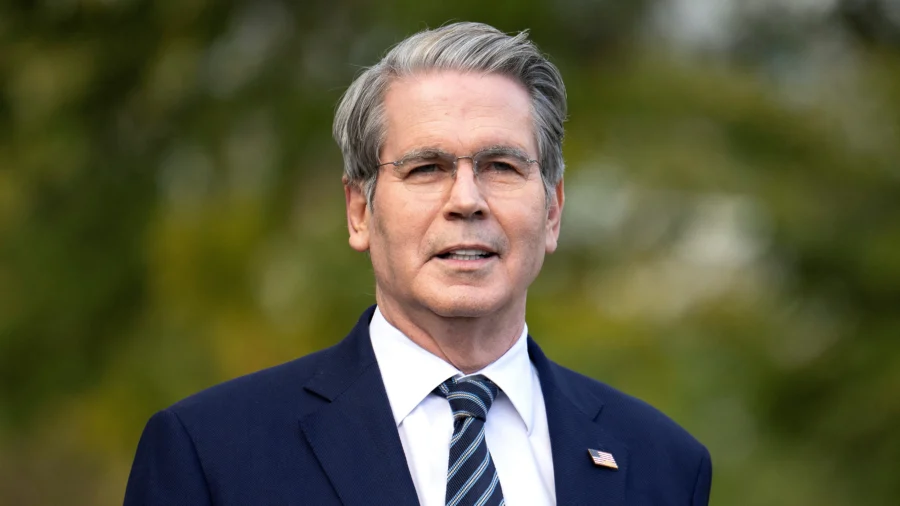
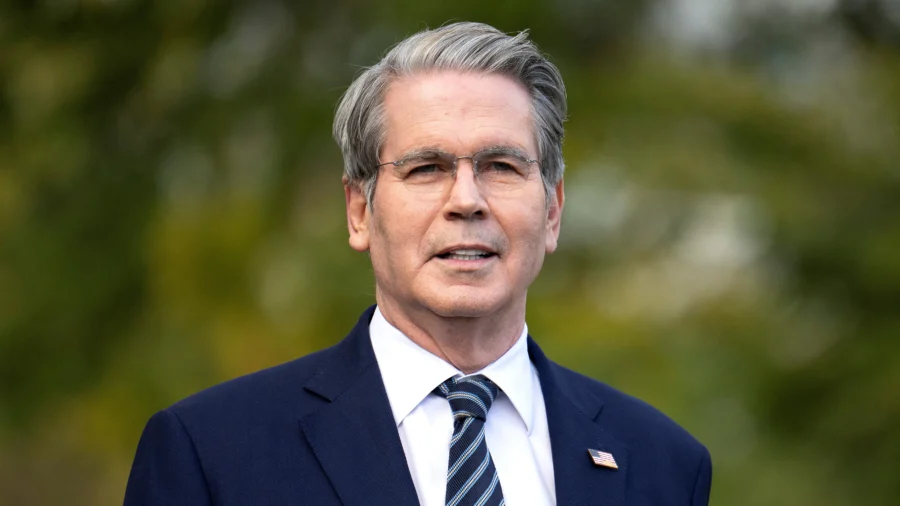
Treasury Secretary Scott Bessent touted the Trump administration’s progress on reducing the federal budget deficit.

In a post on X Monday, Bessent noted that the deficit has dropped by over $400 billion, or 21 percent, from the calendar period from January-November 2025. Other government sources have different metrics but they also reflect the administration’s efforts to grow out of the country’s financial hole.

“Thanks to President Trump, the health of the U.S. government’s finances is improving,” Bessent wrote on X. “The current calendar year-to-date deficit is $1.52 trillion, which compares to a deficit of $1.93 trillion for the comparable period last year under Biden, a 21% drop.”

Bessent’s figure comes from the Treasury Department’s Monthly Treasury Statement for November 2025.

Taking the baseline deficit figure for fiscal 2025 of $1.775 trillion and excluding the months of October, November, and December 2024 under President Joe Biden, while including October and November 2025, the total deficit for this calendar year—January–November—sits at $1.522 trillion.

Compare that number to the Monthly Treasury Statement for November 2024. Taking the baseline figure of $1.832 trillion and applying the same parameters, the deficit for calendar year 2024 for the same period was $1.946 trillion—slightly higher than the $1.93 trillion for the period referenced in Bessent’s tweet. That’s a reduction of $424.6 billion so far this year.

Bessent also claimed that the deficit-to-GDP ratio would be substantially reduced by the end of this year thanks to the economic growth from President Donald Trump’s policies.

“Not only is the deficit smaller under President Trump—the economy is also bigger,” he wrote. “The full 2025 calendar year budget deficit to GDP may total only 5.5%, substantially lower than the unsustainably high 6.8% in calendar year 2024 under Biden.”

Taking the $1.522 trillion figure—assuming the Federal Reserve Bank of St. Louis’s most recent seasonally adjusted annual GDP from Q2 2025 of $30.485 trillion—and then dividing the deficit by GDP estimate, the deficit-to-GDP ratio for January-November 2025 sits at roughly 4.99 percent. Taking the Bank’s estimate for the same quarter last fiscal year—$29.147 trillion in Q2 2024, and the $1.946 trillion deficit figure for calendar year 2024; the deficit-to-GDP ratio for January-November 2024 was roughly 6.7 percent.

“Under [the Trump administration’s] leadership, we will grow our way out of debt and into prosperity,” Bessent wrote.

The Congressional Budget Office has a different metric for the deficit but it also records a small reduction. In the months of October and November of this year, the budget deficit was $439 billion. The same time last year, the deficit stood at $624 billion; that’s a reduction of $185 billion, or just under 30 percent. Even taking into account the fact that many outlays due on Dec. 1 were paid in the month of November because of Dec. 1 falling on a Saturday, the deficit was still down $103 billion from the same time last year.

Receipts were up 18 percent from last year: notably, tax withholdings went up $20 billion (or 4 percent), which the CBO credited to rising wages; and customs duties—including tariffs—increased $48 billion, quadruple what they were from the same time last year.

Outlays were down 6 percent, the CBO noted, but that was due to the monthly shift in December payments. Had they not been shifted, outlays would have been slightly higher than last year due to increased spending on Social Security, Medicare, Medicaid, as well as servicing the national debt.

Kevin Hassett, director of the National Economic Council, also predicted on CBS’s “Face the Nation” on Dec. 14 that the deficit would continue to shrink by the end of the year.

“So, right now, it’s looking like the deficit for this year will be $600 billion lower than it was last year,” he said. “That really helps lower inflation.

“We’ve got the trade deficit cut in half from last year. And so all these things are things that should continue to move us towards the Fed target of two percent.”



Source link

LEAVE A REPLY

Please enter your comment!
Please enter your name here

Popular Articles