Published on
March 17, 2026

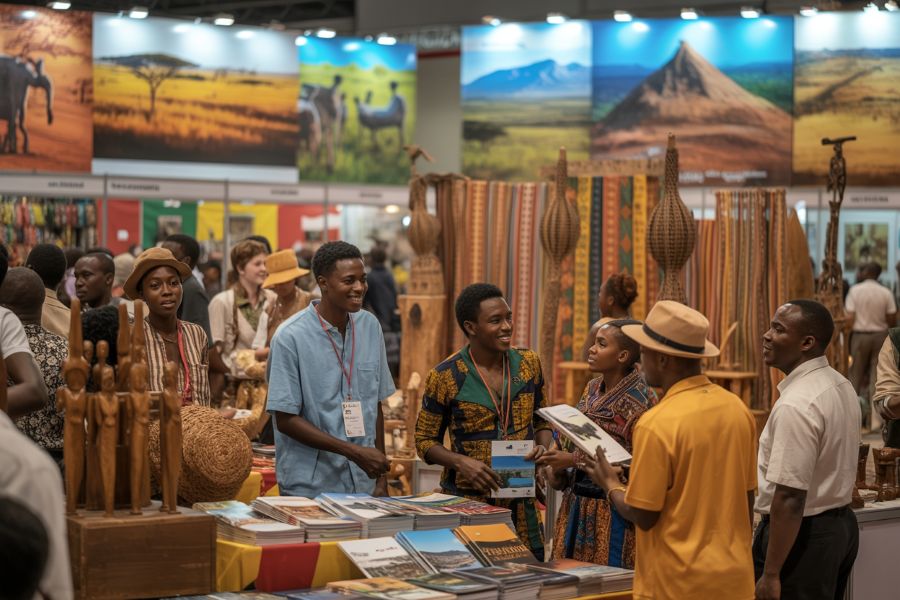
Image generated with Ai
In just two days, the Limbe Botanic Gardens in Cameroon will swing open its gates to one of Central Africa’s most anticipated tourism events of the year. The Cameroon International Tourism Fair is scheduled to run from March 19 to March 21, 2026, transforming the historic gardens into a dynamic hub of tourism, culture, and trade. With delegations converging from across the continent and beyond, this year’s edition marks a critical moment for Cameroon on the global travel map.
A Long-Awaited Return After a Year’s Pause
This fifth edition carries more weight than usual. The 2025 gathering never happened — electoral conditions forced organisers to push back the event entirely, leaving a gap in what had become an increasingly important calendar fixture for African tourism stakeholders. The fair is now set to bring together tourism boards, travel companies, investors, hospitality brands, and cultural organisations to showcase destinations, promote partnerships, and explore new growth opportunities across the continent. After a year’s absence, the pressure to deliver is high — and the stakes even higher.
14 African Nations and Brazil Descend on Limbe
As many as 14 African countries and Brazil are expected to converge in Limbe for what organisers have described as a landmark celebration of Africa’s tourism potential. The participation list includes delegations from Nigeria, Ghana, Kenya, and South Africa, among others, signalling the fair’s growing continental reach since it was first launched at the Limbe Botanic Gardens in 2021. More than 40 international tour operators are also expected to take part, making this the most globally connected edition yet.
Tourism, Culture and Trade at the Core
This year’s edition runs under the theme Tourism, Culture and Trade Synergies, a framework that reflects a broader shift in how Cameroon wants the world to see it — not merely as a football-loving nation, but as a destination rich in heritage, biodiversity, and economic promise. The fair targets five clear goals: driving tourism growth and job creation, building cross-border partnerships, deepening cultural exchange, pushing regional integration within the framework of the African Continental Free Trade Area (AfCFTA), and bringing multiple industry sectors into closer collaboration.
Why Limbe Is the Permanent Home of This Fair
Limbe is a coastal city that offers black sand beaches and the dramatic backdrop of Mount Cameroon, one of Africa’s highest and most active volcanoes. Beyond its landscapes, the city also hosts the Limbe Wildlife Centre, a sanctuary that rehabilitates and protects nine primate species, and the historically significant Bimbia Slave Route, a site of deep heritage value. Past editions of the fair have repeatedly underscored why Limbe was chosen as its permanent home, pointing to the city’s wealth of tourism assets spanning hospitality, culture, art, tradition, cuisine, and natural attractions.
What the Fair Will Actually Feature
Exhibitors will showcase a wide range of tourism products including ecotourism, cultural heritage experiences, wildlife destinations, culinary tourism, and hospitality services. Attendees can also look forward to familiarisation trips to Bafoussam’s cultural heartland and Douala’s economic hub, as well as hotel and hospitality tours that highlight Cameroon’s growing accommodation sector. The programme is designed to move beyond showcasing — it is structured to produce real, bankable partnerships between African and international players.
Advertisement
Advertisement
Positioning Cameroon as a Multi-Dimensional Destination
Organisers are using this platform to reframe the Cameroon narrative for the global travel industry. The country’s ecotourism assets within the vast Congo Basin, a culinary tradition spanning more than 250 local dishes, vibrant performing arts, and striking traditional regalia are all being positioned as compelling reasons for international visitors to look beyond the familiar. The approach draws on models from global tourism events such as ITB Berlin, with long-term, sustained growth seen as the realistic trajectory rather than an overnight transformation.
Connectivity Costs Remain a Challenge
Not everything is straightforward. Regional airfares in peak periods can climb as high as $2,000, a barrier that stakeholders have openly acknowledged as a constraint on visitor numbers. Infrastructure development across the Southwest Region also remains a work in progress. However, organising partners view these challenges as short-term friction rather than structural dead ends, with investment in tourism infrastructure expected to gather pace as the fair builds international visibility year on year.
The Bigger Picture for African Tourism
As the continent continues to push for stronger tourism integration and economic cooperation, the 2026 edition of the Cameroon International Tourism Fair is expected to serve as a strategic platform for dialogue, innovation, and partnerships shaping the future of African travel. The alignment with AfCFTA goals is not incidental — it reflects a deliberate effort to tie tourism expansion to the continent’s broader economic agenda.
For those in the travel, hospitality, and investment space, Limbe, Cameroon, Africa is where attention needs to be directed this week. The doors open on March 19, and the conversations that unfold over those three days at the Limbe Botanic Gardens could define the direction of Central African tourism for years to come.