According to the Dec. 11 press release from the Administration for Children and Families (ACF) at the Health and Human Services (HHS), the letters sent to the states “highlight the pressing issue of state child welfare agencies diverting foster youths’ earned Social Security survivor benefits.”
According to ACF, state child welfare agencies in these states often intercept federal survivor benefits—payments earned through a deceased parent’s work history—and use them to reimburse foster care costs, rather than saving the funds for the benefit of the child. The letters urge these states to stop taking money from foster youth and instead ensure these funds are preserved to help them transition out of state care, according to the press release.
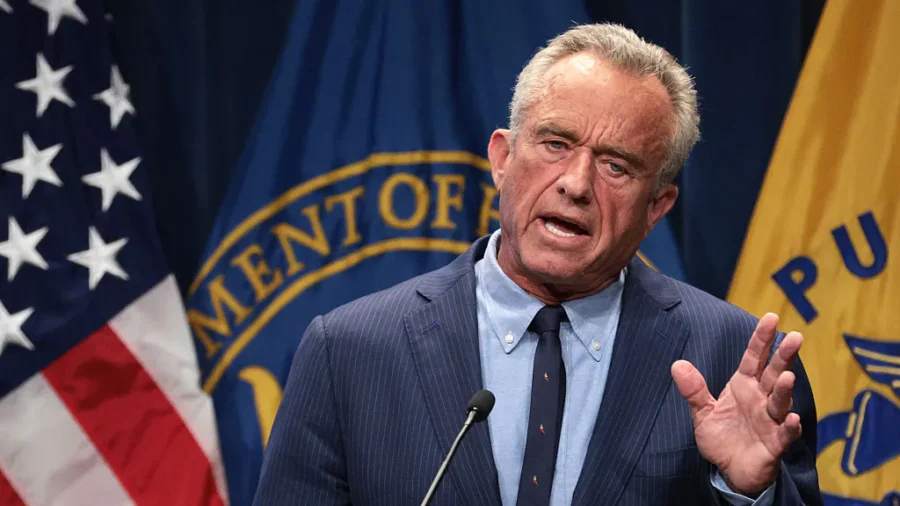
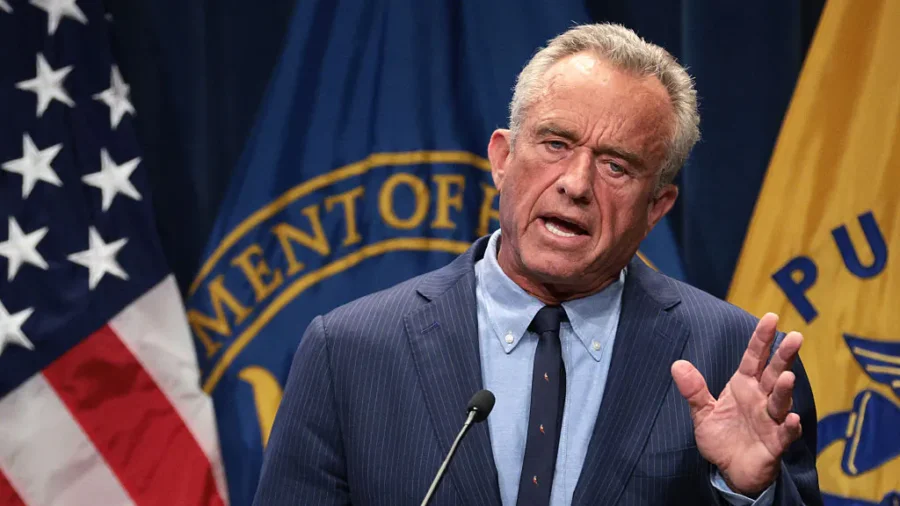
“At HHS, our guiding principle is simple: every child deserves a home and a fair chance to thrive,” Kennedy said. “In the Trump Administration, we are committed to ensuring every child in America has the chance to reach their full potential.”
ACF Assistant Secretary Alex J. Adams, who previously led Idaho’s Department of Health and Welfare, described the practice as one that unfairly treats foster youth as revenue for government agencies. “Every earned benefit dollar belongs to these foster youth, not the government agencies or bureaucrats,” Adams said.
According to the federal notice, only 11 states currently have policies preventing the interception of Social Security survivor benefits, so the funds are conserved for children’s needs.
“It’s like something out of a Charles Dickens novel,” Rep. Jamie Raskin (D-Md.), told NPR in 2021. “This is like confiscating someone’s Social Security benefits because they availed themselves of the fire department.”
In the ACF press release, Scott Matlock—a current NFL fullback for the Los Angeles Chargers—voiced his support for the change. Matlock “entered Idaho’s foster care system at thirteen after the deaths of both his parents. Before Assistant Secretary Adams led widespread reforms, Matlock never received his parents’ survivor benefits,” states the ACF.
“I commend President Trump, Secretary Kennedy, and Assistant Secretary Adams for taking decisive action to encourage states to protect children and ensure foster youth have a strong financial foundation,” said Scott Matlock. “My hope is the next kid coming through foster care gets every penny he or she deserves, no matter what state they live in.”