Sunday, July 6, 2025

Italy’s domestic tourism is undergoing a remarkable resurgence this summer, with projections indicating that 30.5 million Italians will take vacations between June and September. This marks an impressive increase of 1.5 million vacationers compared to the same period last year, signaling the nation’s strong recovery in the tourism sector.
According to a detailed report from the Tourism Observatory of the General Confederation of Businesses (Confcommercio), Italian residents are set to take an average of two trips during the summer months. With 91% of Italians choosing to stay within the country, the preference for domestic travel remains dominant. This resurgence is expected to generate an estimated total expenditure of approximately 35 billion euros, which is a clear sign of how much the tourism sector is bouncing back.
August is anticipated to be the peak month for travel, with an estimated 11.2 million Italians embarking on week-long vacations. The busiest period for domestic tourism will likely be centered around the traditional summer break, with many Italians opting to make the most of their extended holidays. July, in particular, stands out for showing the highest growth compared to the previous year, with 800,000 additional long-term trips planned. This surge highlights a growing enthusiasm for vacations, further validating the recovery of Italy’s tourism landscape.
In terms of financial spending, travelers are expected to allocate approximately 1,170 euros per person on their summer vacations. This spending level remains consistent with the previous year, reflecting the stability of domestic tourism despite broader economic challenges. Italians are increasingly willing to invest in their travel experiences within their home country, contributing significantly to the overall economic recovery.
Accommodation choices are also diverse, with different preferences emerging based on travel style. Hotels remain the most popular option for 21% of domestic travelers. The hostel segment follows closely behind, with 17% of vacationers choosing this more affordable lodging option. Meanwhile, short-term rentals like Airbnb are expected to account for 13% of the accommodation market. An interesting trend is the 14% of Italians opting to stay in second homes or with family and friends. This reflects both the cultural importance of family ties and the growing popularity of more personalized and cost-effective lodging alternatives.
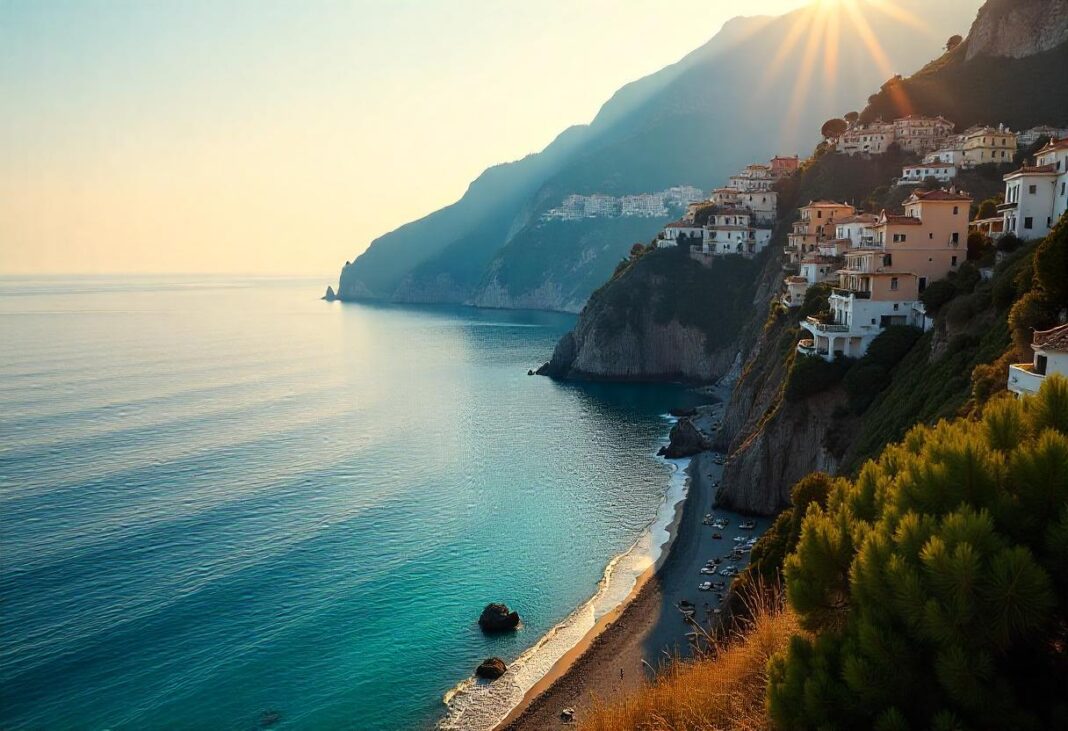
The continued prioritization of domestic destinations is evident across various regions of Italy. Popular tourist cities such as Rome, Florence, and Venice continue to attract substantial numbers of visitors, while coastal regions like the Amalfi Coast, Sardinia, and Sicily maintain their appeal, especially in peak summer months. This distribution of tourists across Italy’s diverse regions helps spread the economic benefits of travel more evenly, giving both large cities and smaller, less visited areas the opportunity to thrive.
Italy’s domestic tourism recovery also emphasizes the importance of the country’s unique offerings, ranging from its historical heritage, world-class art, and culinary delights to the unmatched beauty of its landscapes. Whether tourists are enjoying a beach holiday along the Italian Riviera, indulging in the culinary delights of Tuscany, or exploring the ancient ruins in Rome, Italy’s rich cultural and natural assets remain central to its tourism appeal.
With this significant recovery in domestic travel, Italy’s tourism sector is also benefiting from the rise of new trends in consumer behavior. Many vacationers are seeking more authentic and localized travel experiences, with a growing interest in off-the-beaten-path destinations. This shift is encouraging for rural areas and lesser-known regions, which are seeing a boost in both visits and investments aimed at improving infrastructure and services to meet the evolving demands of tourists.
Overall, Italy’s summer tourism outlook is positive, with both an increase in the number of travelers and a stable expenditure per person. The trend toward domestic tourism indicates that Italians are looking to reconnect with their country’s diverse offerings and continue supporting local businesses in the wake of the pandemic. As the summer season continues, it is clear that domestic tourism will play a crucial role in Italy’s broader economic recovery, strengthening the sector’s long-term resilience.
The projected growth of Italy’s domestic tourism, combined with the variety of destinations and accommodations, paints a picture of a dynamic and thriving travel landscape. This resurgence is not just a temporary rebound but a clear indication that Italian tourism is back on track, with locals showing strong confidence in exploring their own country and continuing to invest in domestic travel experiences.
«Enjoyed this post? Never miss out on future posts by following us»