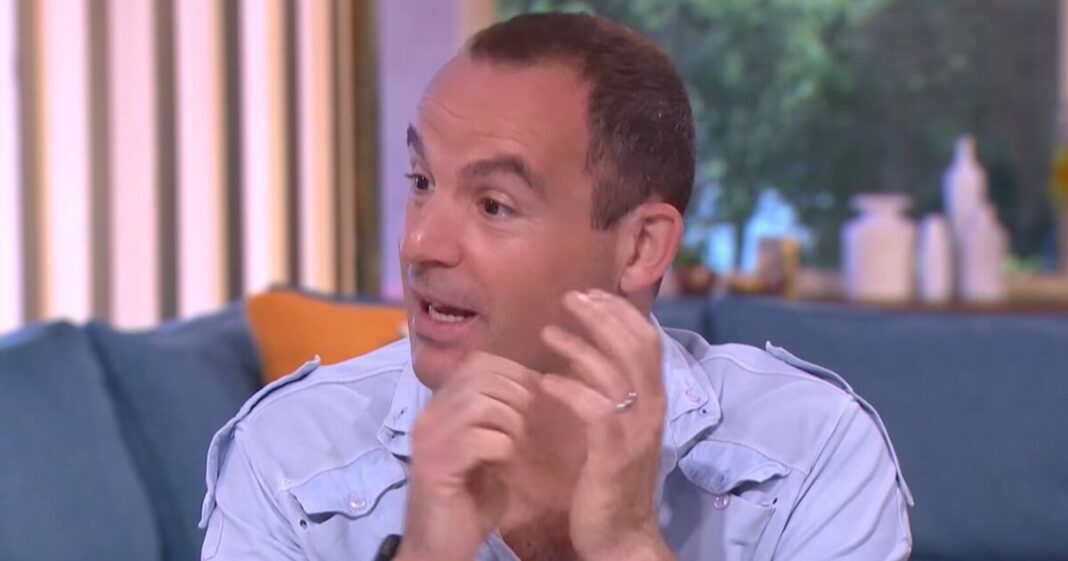
Martin Lewis, the well-known money-saving guru, has given a warning to savers regarding possible tax hits on their money. In a recent post on X, Lewis emphasised that people earning between £12,500 and £50,000 per year could exceed the personal savings allowance limit if they hold significant savings.
The finance expert was explaining how to lawfully and legitimately reduce tax on savings through government-approved schemes. He made clear that tax is not charged on the savings deposits themselves, but rather on the interest generated from them.
And the issue is becoming more acute after Chancellor Rachel Reeves froze income tax thresholds for another three years in last November’s budget. It means that For the 2025/2026 tax year, the standard Personal Allowance,the amount of income you can earn tax-free) is £12,570. Basic rate tax at 20 per cent is paid from £12,571 to £50,270.
The higher rate is paid at 40% on earnings from £12,571 to £50,270. Over taxable income of £125,140 the rate is 45%. The thresholds has been frozen since 2021 and now will continue until 2031, meaning millions of people will be forced to pay higher taxes by what is known as ‘fiscal drag’ as wages rise through inflation.
For those paying tax, he cautioned that interest from savings could be subject to taxation if it surpasses a particular threshold. He explained: “Talking about those people who are generally paying tax, the most important thing to understand is you will probably have a personal savings allowance.
“This is a special amount of savings interest that you can earn each year, which isn’t taxed. Now if you’re a basic rate taxpayer, a 20% rate taxpayer, which is generally someone earning between about £12,500 and £50,000 a year, then your personal savings allowance is £1,000.
“That means you can earn £1000 of interest from any legitimate UK sources and you do not have to pay tax on it.”
Lewis noted that with the leading easy access accounts currently offering roughly 5 per cent interest, savers would need around £20,000 deposited to produce £1,000 in interest. Martin Lewis, the renowned money-saving guru, has offered some valuable insights on how tax applies to savings interest.
“So if you’ve got £20,000 or less in savings and you’re a basic rate taxpayer, it is very unlikely that your savings interest would be taxed, so you don’t have to pay anything so you can get on with it.”
He elaborated for those in higher income brackets: “If you’re a higher 40% rate taxpayer, which is someone earning over around £50,000 up to about £125,000, then your personal savings allowance is £500 a year.”
Mr Lewis clarified that this means £10,000 in savings in a top easy access account would attract tax. He further emphasised: “If you are a top rate taxpayer, so earning over £125,000 a year, you do not get a personal savings allowance. So all of your savings interest is taxed.”
He advised that individuals who are taxed through the self-assessment system should simply include the total amount of interest they earn in their tax return.
He concluded: “If you don’t have a self-assessment return, which many people who are employed and in jobs and aren’t very high earners don’t have to do, well then, as long as you’re earning less than £10,000 of interest a year. You don’t really have to do anything because the banks and building societies are feeding through your savings interest to HMRC and it will automatically alter your tax code for you to take into account the tax on savings that you should be paying.”