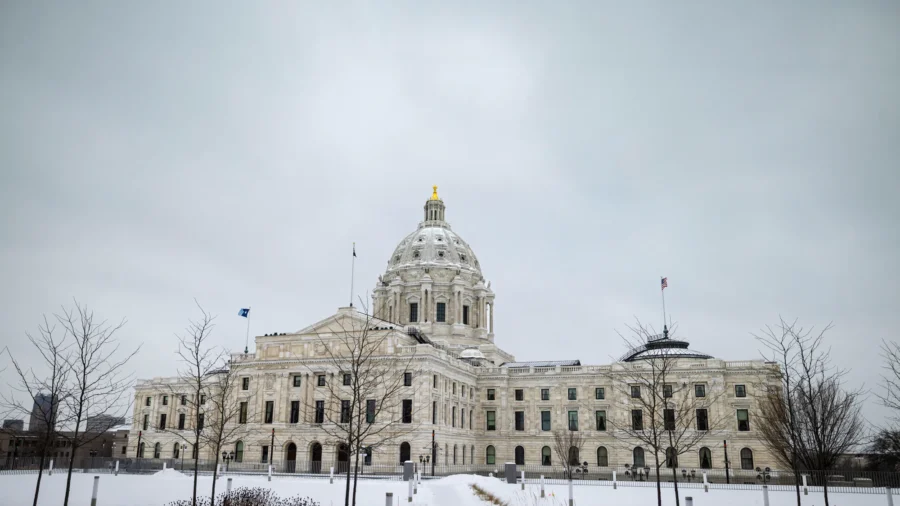
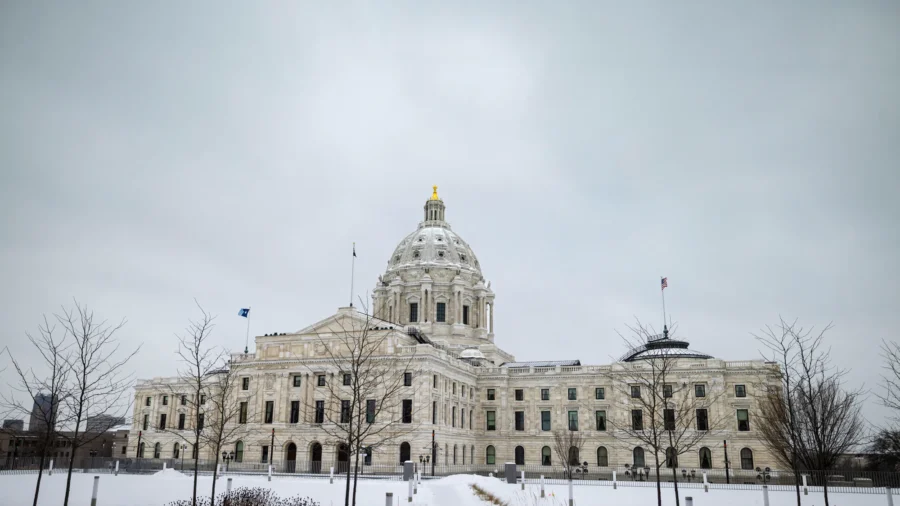
Minnesota Democratic-Farmer-Labor Party (DFL) candidates Shelley Buck and Meg Luger-Nikolai won special elections on Jan. 27 for two Twin Cities–area state House seats, restoring a 67–67 partisan split in the chamber after a brief Republican majority.
In House District 64A, based in St. Paul and stretching toward Minneapolis, Luger-Nikolai received 5,557 votes, or about 95 percent. Republican Dan Walsh received 254 votes, and 21 votes went to write-in candidates, the unofficial tally showed.
The vacancies arose after Democratic incumbents Amanda Hemmingsen-Jaeger in 47A and Kaohly Her in 64A won higher office, triggering the need for Tuesday’s special elections.
The results did not flip any seats but made concrete the return to a tied House. Republicans entered Election Day with a 67–65 edge after those departures.
For much of the past year, the chamber had been operating under a power-sharing agreement. In that arrangement, Republican Lisa Demuth serves as House speaker, while most committees have co-chairs from each party. With the House now evenly split again, that structure is expected to remain in place, unless lawmakers renegotiate the terms.
The Epoch Times reached out to the DFL Caucus Leader, Rep. Zack Stephenson, to see if the party would seek a new power sharing agreement, but did not hear back before publication.
“Minnesota Republicans continue to stand with Donald Trump and his deadly retribution campaign while doing nothing to lower the cost of living. Buck and Luger-Nikolai stayed laser-focused on making health care affordable, protecting workers, and investing in our kids and schools—and that’s exactly what they’ll do at the Capitol,” DFL Party Chair Richard Carlbom said.
The elections were the first state political test since tension has risen between local, state, and federal officials over federal immigration enforcement in Minnesota.
The DFL’s statement noted the shooting death of Alex Pretti days earlier during an altercation with federal agents in Minneapolis.
The shootings prompted protests across the state and renewed calls from some state and local leaders to limit the presence of federal immigration officers in Minnesota.
Democrats hold a narrow 34–33 advantage in the state Senate, setting up a closely watched fight for control of both legislative chambers in November along with competitive races for governor and U.S. Senate later this year.
The Democratic National Committee painted the wins as more evidence of momentum after a year of election successes in 2025 headed into midterms this fall.
The Minnesota Republican Party did not provide a comment on the election results prior to publication.
The Associated Press contributed to this report.