Published on
March 28, 2026

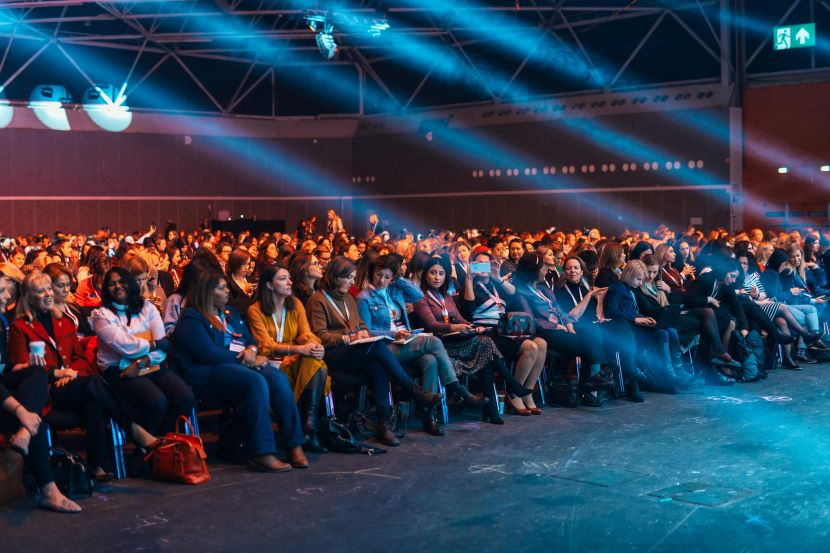
Image generated with Ai
The vibrant landscapes of Morocco were recently selected as the prestigious backdrop for the annual forum of SETO, the preeminent association for French tour operators. From March 25 to 27, the scenic coastal enclave of Tamuda Bay was transformed into a hub of international collaboration, welcoming approximately 140 distinguished participants. Within this assembly, tour operator executives, industry experts, and institutional representatives were joined by specialized journalists to deliberate on the future of travel and tourism between the two nations. This initiative was spearheaded by Achraf Fayda, the esteemed head of the Moroccan National Tourist Office (ONMT), as part of a comprehensive offensive strategy designed to bolster the presence of the kingdom within its most vital priority markets.
The French market is consistently recognized as the primary source of international visitors for the kingdom, making this forum a cornerstone of national economic strategy. By hosting such a high-caliber event in Tamuda Bay, the intent was clearly signaled that the diversification of Moroccan destinations is a top priority. The choice of this northern Mediterranean location was deliberate, serving to showcase the diversity of experiences and the operational reliability that French tour operators require when curating travel programs for a sophisticated European clientele.
Navigating Regional Stability and Accessibility
In an era where global travel patterns are frequently disrupted by regional tensions, particularly within the Middle East, the Mediterranean and North African regions are being viewed through a new lens by European travelers. Morocco is positioned as a uniquely stable, accessible, and secure destination. During the forum, the kingdom’s reputation for safety was emphasized as a key competitive advantage. It is understood by industry leaders that proximity to Europe, combined with a rich cultural tapestry, allows the nation to stand out as a reliable alternative for those seeking both adventure and tranquility.
The SETO Forum has been an annual fixture since 2009, serving as the definitive professional gathering for the French tourism industry. Through this platform, market trends are analyzed and the outlook for outbound tourism from France is carefully forecasted. By hosting the 2026 edition, the kingdom has ensured that its infrastructure and hospitality sectors remain at the forefront of the minds of those who dictate the travel choices of millions.
Analyzing the Growth of the French Market
The statistical significance of the relationship between these two nations cannot be overstated. In 2025, a landmark achievement was recorded as more than 5.7 million French tourists were welcomed into the country. This figure represented a substantial 11% increase when compared to the statistics of the previous year. It was further noted that arrivals from France accounted for nearly 29% of the total international tourist demographic, cementing its status as the foundational pillar of the local tourism economy.
Early indicators for the year 2026 suggest that this upward trajectory is not only being maintained but is actively accelerating. In January alone, a 14% rise in arrivals was observed. These findings were corroborated by the SETO barometer, which reported a continuous growth in passenger flows and a marked increase in bookings for the winter season. The sustained interest from the French market is attributed to the aggressive marketing campaigns and the strategic engagement facilitated by the ONMT.
Advertisement
Advertisement
Enhancing Connectivity and Regional Promotion
A central theme of the forum was the promotion of emerging tourist regions, moving the focus away from traditional hubs such as Marrakech and Agadir. The promotion of Tamuda Bay is indicative of a broader effort to highlight the hidden gems of northern Morocco. To facilitate this expansion, Royal Air Maroc, acting as the official carrier of the event, announced the launch of a direct flight path between Paris and Tetouan.
This logistical enhancement is expected to drastically improve access to the northern coast, providing the necessary infrastructure to support the emergence of new destinations. It is recognized that air connectivity is the lifeblood of international tourism; therefore, the strengthening of ties between Royal Air Maroc and international hubs is seen as a vital component of the 2026-2030 strategic plan. By making the north more accessible, the variety of the Moroccan landscape is made more tangible to the French professional traveler.
Advertisement
Advertisement
A Global Strategy: From America to France
The methodology applied to the French market is part of a larger, global “offensive” directed by the ONMT. This approach mirrors a similar strategy recently deployed in the North American sector. For instance, the kingdom is also currently playing host to the international conference of the United States Tour Operators Association (USTOA). This Out of Country Meeting, held from March 19 to 29, marks the first time such an event has taken place on the African continent.
A delegation of approximately fifty senior executives from the United States has been facilitated on a journey through Casablanca, Rabat, Fez, Tangier, Chefchaouen, and Marrakech. On March 25, an Industry Day was organized in Rabat, where the focus was placed on building strategic partnerships and exploring commercial opportunities for the remainder of the decade. Whether engaging with French or American partners, the objective remains consistent: the promotion of lesser-known regions and the reinforcement of the kingdom as a world-class tourism power.
Future Outlook and Sustainable Partnerships
As the SETO Forum concluded in Tamuda Bay, the consensus among participants was one of optimism. The collaboration between the ONMT and French tour operators is expected to yield even more diverse travel packages, catering to the evolving preferences of the modern traveler. The emphasis on stability, security, and accessibility will remain the core messaging for the kingdom as it moves toward its 2030 goals.
The success of the forum is viewed as a testament to the proactive leadership of Achraf Fayda and the enduring appeal of the Moroccan heritage. As new flight routes are established and new regions like Tamuda Bay are brought into the spotlight, the bond between the French traveling public and the kingdom of Morocco is destined to grow even stronger, ensuring a prosperous future for the national tourism sector.
Advertisement
Advertisement