Published on
March 28, 2026
By: Tuhin Sarkar

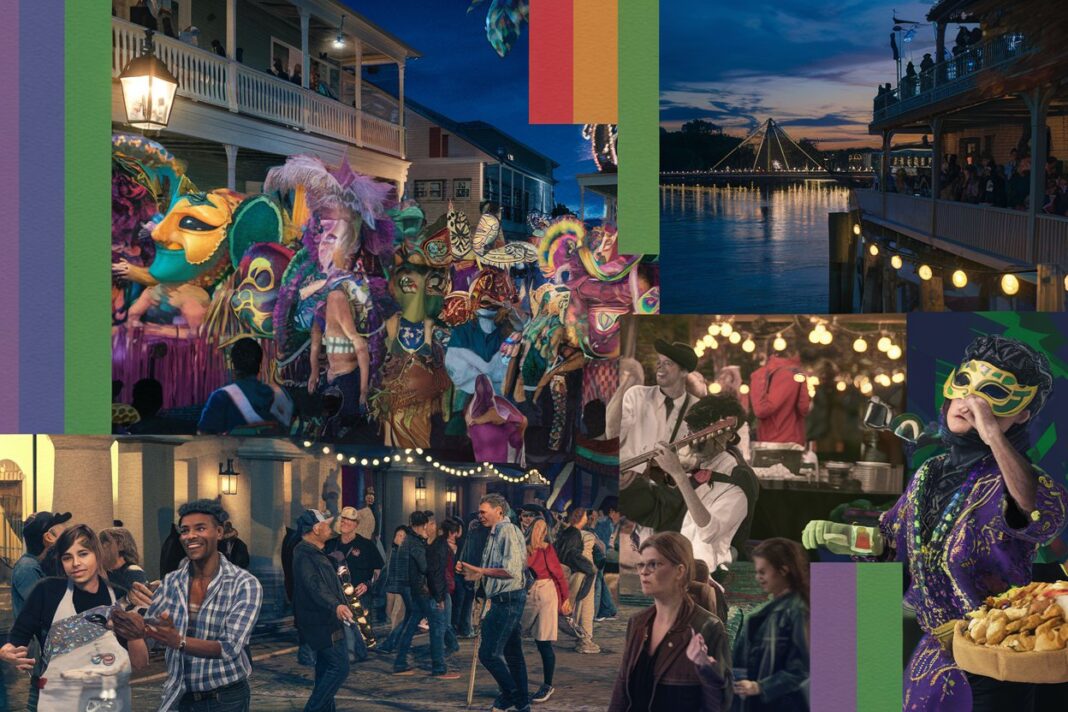
Image generated with Ai
New Orleans joins Lafayette, Baton Rouge, Shreveport, Franklin and more cities in Louisiana pushing regional tourism and supercharging the economy with new summer events from June, driven by festivals, culture and strategic tourism expansion.
New Orleans joins Lafayette, Baton Rouge, Shreveport, Franklin and more cities in Louisiana pushing regional tourism and supercharging the economy with new summer events from June due to a coordinated festival strategy, strong cultural programming and rising travel demand. Moreover, New Orleans joins Lafayette, Baton Rouge, Shreveport, Franklin and more cities in Louisiana pushing regional tourism as events expand beyond one hub. Therefore, summer events from June are unlocking visitor movement, boosting spending and strengthening local economies. Travel And Tour World urges readers to read the entire story as Louisiana leverages festivals, food and heritage to drive sustained tourism growth.
Louisiana cities are pushing regional tourism in 2026 through a coordinated, government-backed strategy centred on cultural festivals, music heritage, food traditions and seasonal events, enabling destinations like New Orleans, Lafayette, Baton Rouge, Shreveport and smaller towns to collectively expand visitor flows, diversify tourism revenue and strengthen local economies.
Advertisement
Advertisement
Louisiana cities are driving a powerful regional tourism surge through cultural events in 2026. Louisiana cities are using festivals, music, food and heritage to push tourism growth across New Orleans, Lafayette, Baton Rouge and beyond. This strategy is not isolated. It is coordinated. It is structured. It is backed by state tourism authorities. Louisiana cities are transforming tourism into a decentralised economic engine. New Orleans remains the gateway.
But Lafayette, Baton Rouge, Shreveport and smaller towns are now critical contributors. Cultural festivals are no longer seasonal attractions. They are economic tools. They are policy instruments. They are tourism drivers. Travel And Tour World urges readers to explore how Louisiana cities are reshaping regional tourism through cultural events and why this model is gaining global attention.
Advertisement
Advertisement
How Is New Orleans Leading Louisiana’s Cultural Tourism Strategy?
New Orleans continues to dominate Louisiana’s tourism ecosystem as the primary global gateway. The city hosts world-renowned events like Mardi Gras, Jazz & Heritage Festival and the Essence Festival. These events attract hundreds of thousands of visitors each year. They generate significant economic impact. They also serve as entry points for wider regional travel. The Louisiana Office of Tourism positions New Orleans as the first touchpoint for international and domestic travellers. However, the strategy does not end within the city. Visitors are encouraged to explore beyond. Cultural storytelling plays a central role. Food, music and heritage are integrated into every event. The city’s festivals operate as immersive experiences. They are not passive entertainment. They actively promote Louisiana’s identity. This ensures visitors extend their stay. It also increases per capita spending. New Orleans is therefore not just a destination. It is a distribution hub for statewide tourism.
Louisiana Summer Events 2026
June 2026
| City / Region | Event Name | Dates (2026) | Event Type | Key Tourism Focus |
|---|---|---|---|---|
| New Orleans | New Orleans Black Pride | June 4–7 | Cultural / LGBTQ+ | Inclusive tourism, community engagement |
| New Orleans | French Market Creole Tomato Festival | June 6–7 | Food Festival | Culinary tourism, local produce |
| New Orleans | New Orleans Wine & Food Experience | June 10–14 | Food & Beverage | Gastronomy tourism, premium travel |
| New Orleans | Pride Festival & PrideFest | June 12–14 | Cultural / Parade | LGBTQ+ tourism, nightlife economy |
| New Orleans | Juneteenth Festival (Congo Square) | June 19 | Heritage / Cultural | African American history & culture |
| Ruston | Louisiana Peach Festival | June 6 | Food / Agriculture | Rural tourism, local produce economy |
| Franklin (St. Mary Parish) | Cajun Food Festival | June 19–21 (approx.) | Food / Cultural | Cajun cuisine, regional tourism |
| Statewide | Parish Festivals & Pre-July Events | Late June | Mixed | Community-driven tourism |
July 2026
| City / Region | Event Name | Dates (2026) | Event Type | Key Tourism Focus |
|---|---|---|---|---|
| New Orleans | ESSENCE Festival of Culture | July 3–5 | Music / Cultural | Global tourism, African American culture |
| New Orleans | Go 4th on the River | July 4 | Fireworks / National | Independence Day tourism |
| New Orleans | Running of the Bulls | July 10–12 | Cultural / Entertainment | Adventure tourism, youth travel |
| New Orleans | Tales of the Cocktail | July 19–24 | Food & Beverage | Luxury tourism, mixology culture |
| Acadiana (Erath) | Erath 4th of July Celebration | June 30–July 4 | Cultural / Parade | Local tourism, patriotic travel |
| Statewide | Independence Day Festivals | Early July | National Events | Domestic tourism surge |
August 2026
| City / Region | Event Name | Dates (2026) | Event Type | Key Tourism Focus |
|---|---|---|---|---|
| New Orleans | Satchmo SummerFest | Aug 1–2 | Music Festival | Jazz heritage tourism |
| New Orleans | Red Dress Run | Aug 8 (approx.) | Lifestyle / Charity | Community tourism, social events |
| New Orleans | COOLinary New Orleans | August (month-long) | Culinary Campaign | Restaurant tourism, gastronomy |
| New Orleans | Southern Decadence Festival | Late Aug (into Sept) | Cultural / LGBTQ+ | Pride tourism, nightlife economy |
| Gueydan | Gueydan Duck Festival | Aug 27–30 | Cultural / Wildlife | Niche tourism, hunting heritage |
| Statewide | Parish Food & Music Festivals | August | Mixed | Cultural preservation, local economy |
Why Is Lafayette Emerging as a Global Francophone Cultural Hub?
Lafayette is rapidly positioning itself as a global centre for Francophone culture. The city’s flagship event, Festival International de Louisiane, plays a central role. It is one of the largest free Francophone festivals in the United States. Artists from multiple countries participate. Cultural exchange is a key focus. The event promotes Louisiana’s French heritage. It also connects the region to international audiences. Lafayette’s tourism strategy emphasises authenticity. Cajun and Creole traditions are highlighted. Music, dance and cuisine are central elements. The city’s tourism authority actively markets these experiences. Government support strengthens this positioning. Lafayette is not competing with New Orleans. It is complementing it. This creates a layered tourism experience. Visitors move between destinations. They experience different cultural dimensions. Lafayette’s rise shows how smaller cities can leverage niche identity. It also demonstrates how cultural diplomacy can drive tourism growth.
Advertisement
Advertisement

Image generated with Ai
What Role Does Baton Rouge Play in Music and Heritage Tourism?
Baton Rouge is leveraging its historical and musical heritage to strengthen tourism. The Baton Rouge Blues Festival is a major attraction. It is one of the oldest blues festivals in the country. The event celebrates African American musical traditions. It also highlights the city’s cultural legacy. Baton Rouge’s strategy is focused and deliberate. It emphasises authenticity over scale. Riverfront development enhances the visitor experience. Cultural programming is integrated into public spaces. This creates accessibility. It also encourages repeat visitation. Government-backed initiatives support heritage preservation. Tourism campaigns highlight storytelling. Music becomes a narrative tool. It connects visitors to history. Baton Rouge also benefits from its proximity to New Orleans. Visitors often include both cities in their itinerary. This strengthens regional tourism flows. Baton Rouge is therefore not a secondary destination. It is a complementary cultural anchor.
How Is Shreveport Expanding Tourism in Northern Louisiana?
Shreveport is playing a critical role in expanding tourism beyond southern Louisiana. The Red River Revel is a flagship cultural event. It combines art, music and community participation. This event attracts regional visitors. It also strengthens local identity. Northern Louisiana has historically received less tourism attention. Shreveport is changing that dynamic. The city is investing in cultural infrastructure. Events are designed to be inclusive and accessible. This encourages local participation. It also attracts new visitors. Tourism authorities are focusing on diversification. They aim to reduce dependence on traditional hubs. Shreveport’s strategy aligns with statewide goals. It promotes balanced tourism growth. It also supports economic development in underrepresented regions. The city is positioning itself as an arts destination. This approach is gradually reshaping perceptions. Northern Louisiana is becoming a viable tourism region.
Why Are Small Louisiana Towns Becoming Festival Tourism Powerhouses?
Small towns across Louisiana are emerging as powerful tourism drivers. Events like the Strawberry Festival, Crawfish Festival and Rice Festival are central to this transformation. These festivals are deeply rooted in local culture. They are community-driven. They attract both regional and national visitors. Government tourism platforms actively promote these events. This increases visibility. It also boosts attendance. Small towns benefit significantly from festival tourism. Local businesses see increased revenue. Hospitality sectors expand. Cultural preservation is strengthened. These events are not large-scale. However, their impact is substantial. They create distributed tourism benefits. Visitors explore multiple locations. This reduces pressure on major cities. It also extends travel itineraries. Small towns are therefore essential to Louisiana’s tourism ecosystem. They ensure inclusivity. They also enhance resilience.

Image generated with Ai
How Does Louisiana Use Cultural Events to Balance Seasonal Tourism?
Louisiana’s tourism strategy is highly structured around seasonal distribution. Cultural events are strategically placed throughout the year. Spring features music and food festivals. Summer highlights cultural celebrations. Winter focuses on holiday events like the Natchitoches Christmas Festival. This ensures continuous visitor flow. It reduces off-season downturns. Government tourism authorities play a key role. They coordinate event calendars. They also promote year-round travel. This approach stabilises the tourism economy. Businesses benefit from consistent demand. Employment levels remain steady. Visitors experience different seasonal offerings. This enhances satisfaction. It also encourages repeat visits. Louisiana’s model is therefore not reactive. It is engineered. Cultural events are used as tools. They manage demand. They optimise economic outcomes. This makes the state’s tourism system highly efficient.
New Orleans joins Lafayette, Baton Rouge, Shreveport, Franklin and more cities in Louisiana pushing regional tourism and supercharging the economy with new summer events from June as a direct response to evolving travel demand, economic recovery needs and the growing importance of cultural tourism. This shift is not random. It is strategic. Louisiana has deliberately expanded its tourism model beyond a single destination. New Orleans remains the global gateway. However, Lafayette, Baton Rouge, Shreveport, Franklin and more cities are now critical engines of growth.
The cause of this transformation lies in the state’s recognition that decentralised tourism generates wider economic benefits. By distributing events across multiple cities, Louisiana ensures that visitor spending reaches smaller communities. This supports local businesses. It strengthens employment. It also reduces pressure on major tourism hubs. Cultural festivals are at the centre of this strategy. They attract diverse audiences. They encourage longer stays. They increase repeat visits.
The answer to sustained tourism growth therefore lies in integration. Louisiana integrates music, food, heritage and community participation into a unified tourism system. Summer events from June act as catalysts. They trigger travel flows. They create momentum. They sustain demand through July and August. This ensures consistent economic activity.
The reason this model is effective is its balance. It combines global appeal with local authenticity. It leverages New Orleans’ international draw while empowering Lafayette, Baton Rouge, Shreveport, Franklin and more cities. This creates a resilient tourism ecosystem. Louisiana is not only boosting tourism. It is redefining how regional tourism can drive economic expansion through culture, coordination and continuous event programming.
What Is the Economic Impact of Louisiana’s Festival-Driven Tourism Model?
Louisiana’s festival-driven tourism model delivers significant economic benefits. Visitor spending contributes billions annually. Events generate revenue across multiple sectors. Hotels, restaurants and transport services benefit directly. Small businesses also gain. Cultural events create employment opportunities. Both temporary and permanent jobs are generated. Government reports highlight tourism as a key economic driver. Festivals amplify this impact. They attract high visitor volumes. They also increase spending duration. Visitors often extend their stay. This boosts overall revenue. The model also supports cultural industries. Artists and performers benefit. Local producers gain exposure. Economic benefits are therefore widespread. They are not concentrated. This creates a sustainable system. Louisiana’s approach demonstrates how culture can drive economic growth. It also shows how tourism can support community development.
Louisiana cities are collectively transforming regional tourism through cultural events. Louisiana cities are not relying on a single destination. They are building a network. New Orleans leads as a global gateway. Lafayette adds international cultural depth. Baton Rouge strengthens heritage tourism. Shreveport expands regional reach. Small towns ensure inclusivity. This multi-layered system is supported by government strategy. It is driven by cultural authenticity. It is sustained by community participation. Cultural events are the foundation. They are not supplementary. They are central to tourism growth. Louisiana’s model is both scalable and resilient. It balances economic impact with cultural preservation. It distributes tourism benefits across regions. This makes it one of the most effective tourism strategies in the United States. Louisiana cities are therefore not just promoting tourism. They are redefining it.
Advertisement
Advertisement