Tuesday, July 29, 2025

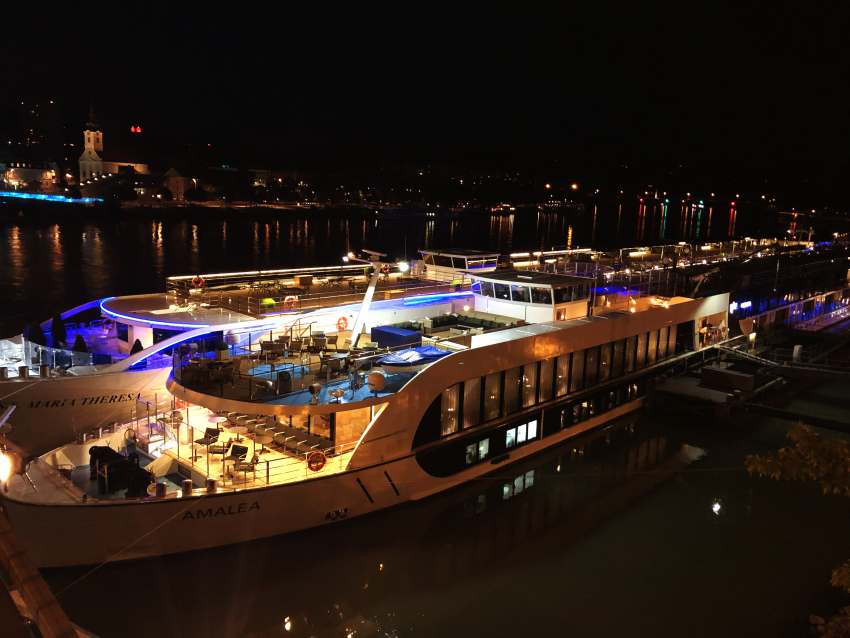
From the dock in Reykjavik, with the warm light of the midnight sun casting a golden glow over the North Atlantic, there’s little question about why overnight port calls are becoming more popular with cruise travelers. That less-hurried mode of travel has begun making its way from luxury world cruises and exclusive itineraries to mainstream cruise offerings, providing something many passengers didn’t know they were missing — time.
In a world where travel so often seems rushed and curated, having the freedom to linger in a destination after dark to wander its quiet streets, take in a local performance or sip wine by a quiet harbor feels almost subversive. Places like Alta in Norway, Istanbul in Turkey, Bermuda in the Atlantic, Santorini in Greece and Copenhagen in Denmark are leading lights in this movement, rewriting the rules of the traditional cruise and reinventing what it means to explore by boat.
The Overnights of Port Calls
Cruise lines such as Norwegian Cruise Line (NCL) are at the forefront of this change and just unveiled over 170 overnight port calls included in their 2027 deployment. It’s a recognition of a major trend in the cruise industry: away from that whirlwind of port-hopping and to more immersive, destination-focused vacations.
But the decision is more than a matter of operational logistics; it also reflects this new knowledge of traveler preferences. The tourists of today aren’t just ticking boxes; they are looking for authenticity, relaxation, and for the kind of experience that doesn’t end with a day of sightseeing. This is possible, thanks to overnight port calls.
The Benefits of Spending the Night
And when a ship stays docked until well into the night, or even the following day, it affords passengers much more than an opportunity to sightsee. It offers time. Lunch hour to spend in a neighbourhood bistro, without frantically racing back to work. A time for watching cultural performances, music festivals or the utter silence of a city with the throngs of people gone home.
In Iceland’s Reykjavik and Norway’s Arctic ports, like Alta and Tromsø, cruise travelers can participate in daytime excursions and then return to the ship for evening activities like Northern Lights tours or Sami cultural demonstrations. At warm weather destinations such as Bermuda, guests can also opt to stroll along a moonlit beach, dine late into the evening or catch the pastel-colored vistas of the island’s quaint towns after darkness falls.
These more profound interactions offer a lasting impact, and leave travelers eager to return — whether by sea or on land — for more in-depth visits in the future.
Good For Local Economies And Cultural Tourism
The economic fallout from these overnight visits is meaningful for destination tourism economies. Restaurants, theatres, transportation companies, and night markets all take advantage of this boost in passenger presence at night. In a lot of the smaller port cities, business has long been restricted to the hours in which the ships were tethered.
Cities like Santorini and Dubrovnik are gaining longer revenue windows, thanks to overnight or late-night port calls. In Istanbul, guides can now offer tailored night tours of the Grand Bazaar, Bosphorus cruises under the stars, and cultural dinners that echo the spirit of Turkish hospitality.
For tourism destinations, such as Copenhagen, with something to experience year round, overnight experiences can also open up the opportunity for winter illumination walks, Christmas markets and even late-night museum openings. These activities improve the experiences of visitors albeit they are also providing a viable lift to local businesses outside of the peak times.
A New Level to Cruise Planning
For travelers, the overnight ports add a layer of decision-making. It’s not just about which city you will visit — but when. New Year’s Eve is celebrated with an overnight call in Madeira, giving guests the chance to see the world-famous fireworks and not having to think about rushing back to the ship.
But it is important to read the itinerary closely. You won’t get two full days in port on every overnight stop, though. A ship might drop anchor at 6 p.m. and depart at 10 the next morning — strictly speaking an overnight, but with few useful hours. The most immersive experiences are offered in itineraries in which ships show up early and don’t leave until late the next day.
They should also consider local transportation options and walk time from the port to the city, not to mention the hours that attractions will be open. There may be not much going on in a few ports during these times as well, so wandering around is a little tougher.
Overnights and Late-Night Departures: What’s the Distinction?
Not all cruise lines feature true overnight stops, but many are increasing port hours. Evening departures, often at around 11 p.m. or midnight, are late enough to permit dinner ashore or an evening sightseeing tour.
These late-night hours are especially popular in Mediterranean locales, such as Santorini, where Oia is often shoulder to shoulder with sunset watchers in the evening, and Ibiza, where the after-dark scene starts as soon as the sun sets.
In Norwegian ports, especially those that coincide with aurora borealis viewing seasons, departures might be scheduled for 2 a.m. or later so that travelers can optimize their chances of viewing the light show without compromising their comfort.
On the Freedom to Travel and the Trust in Novel Experiences
There’s also a big mental difference when it comes to overnight port stays. The old fretful marching to a 5 p.m. “all aboard” now feels like freedom and faith in the destination. Passengers are no longer treated like tourists — they are encouraged to act like travelers.
Though cruise lines enforce security and safety measures, guests generally are free to disembark and reboard the ship throughout the night. But the availability is subject to local law and may be restricted at certain times of day, especially at the smaller or more security-conscious ports. It’s always advisable to have the local port agent number on hand and to listen for reboarding times of course.
A Plan That Works: Tourism Remade by the Sea
These overnight stays aren’t a marketing gimmick — they’re part of a larger rethinking of cruising as a tourism product. The World Tourism Organization has pushed for the benefit of slowing travel down for years, encouraging tour operators to develop itineraries that emphasize cultural sensitivity, environmental respect, and community participation.
Cruise lines that are adopting overnight calls are becoming better attuned to these objectives. Regent Seven Seas, for example, has unveiled schedules with overnights in every port to the cheers of many in the tourism industry. British cruise lines including Ambassador and Fred Olsen have introduced long stops in Arctic Norway to allow passengers to take part in cultural traditions and witness natural phenomena missed during short visits.
This form of travel is only likely to increase. And now that overnight port stays are being demanded as the rule, rather than as the exception, by the cruise-going public will become more the norm rather than the exception.
Final Thoughts: The Ultimate Luxury is Time
In the diminishing evening light over Alta or Istanbul, when you cruise slowly back to your ship without hurry or worry, the worth of an overnight port is apparent. In a fast-paced world, time is the greatest luxury a traveler can receive.
As the cruise industry now shifts its sails to this newfound reality, the people who have been vacationing on these massive rockets are relearning the pleasure of feeling at ease. Maybe it’s under the northern lights, at one with nature; over coastal jazz in Bermuda; or beneath the blanket of a silent sunrise over Copenhagen’s canals, but this is the stuff that sticks, that docks in your soul long after a voyage is over.
For the future of tourism, this move toward more profound, slower, more connected exploration is not just welcome — it’s a necessity.