Newly released police documents related to Bryan Kohberger’s criminal case detail troubling incidents at a University of Idaho rental home in the weeks before the brutal murders of four students, including sightings of an unknown man and a mysteriously damaged door.
The documents, released within hours of Wednesday’s sentencing hearing, lay out investigators’ extensive efforts to build their case against Kohberger, a former Washington State University criminology doctoral student. He received four consecutive life sentences plus 10 years for the November 2022 stabbing deaths of Madison Mogen, Xana Kernodle, Kaylee Goncalves, and Ethan Chapin.
The police documents reveal a pattern of concerning incidents at the King Road residence where the victims lived. Bethany Funke, one of two surviving roommates, told investigators that about a month before the murders, Goncalves saw an unknown male “up above their house to the south,” staring at her while she walked her dog Murphy outside.
Goncalves alerted her roommates and asked when they would be home, Funke told police.
Nine days before the killings, on Nov. 4, the roommates found their door hanging loose on its hinges when they returned home at 11 a.m., with wind blowing through the opening. Kernodle’s father had then repaired the damaged door, according to investigators.
The roommates ended up arming themselves with golf clubs because of the strange occurrences, as they suspected a possible intruder might be around.
Document Details
The released documents paint a picture of the methodical investigative approach that ultimately led to Kohberger’s identification and arrest. Officers pursued numerous leads, including tips about suspicious people shopping for ski masks at local retailers and potential connections through dating apps.
Investigators served warrants on the dating platform Tinder, seeking accounts Kohberger might have created that could link him to the victims. However, no such evidence resulted from such inquiries.
The breakthrough came through DNA analysis of a knife sheath found at the crime scene, which matched Kohberger’s DNA. Other evidence included cellphone data tracking his movements, online purchase records for military-style knives, and surveillance footage placing his vehicle near the home multiple times.
Following his arrest at his parents’ Pennsylvania home six weeks after the murders, Kohberger briefly spoke with police, discussing topics including Washington State football, his doctoral studies, and academic responsibilities.
When detectives eventually explained their presence related to the murders, Kohberger acknowledged he knew about them, responding “Of course” when asked about the incidents.
The questioning finished when Kohberger asked for legal representation, invoking his Fifth Amendment rights.
A former Latah County Jail inmate housed next to Kohberger’s cell also informed investigators of detailed observations of Kohberger’s daily habits, according to September 2024 police reports.
The inmate described obsessive hand-washing occurring dozens of times daily and shower sessions lasting 45 minutes to an hour.
The inmate also said that Kohberger mostly remained awake at night, sleeping only briefly during daytime hours, and frequently asked other prisoners about their criminal histories.
Despite the extensive documentation and Kohberger’s guilty plea agreement that eliminated death penalty consideration, the fundamental motive for targeting the specific students remains unexplained.
Courtroom Confrontations
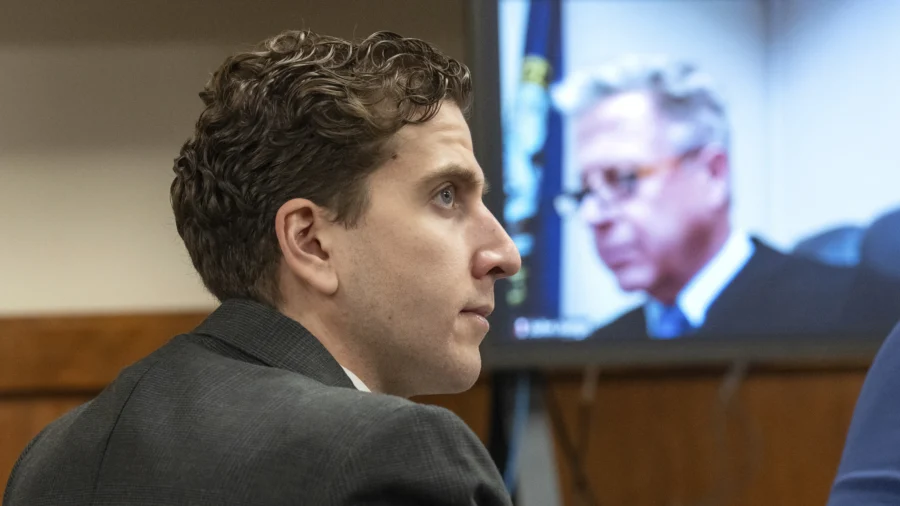
Fourth District Judge Steven Hippler delivered the sentences during Wednesday’s sentencing, as grieving families and surviving roommates confronted Kohberger in a Boise courtroom. Kohberger remained motionless throughout the emotional testimonies, declining to address the court when given the chance.
Family members delivered powerful victim impact statements that ranged from forgiveness to fierce condemnation.
Kim Kernodle, aunt of victim Xana Kernodle, offered an unexpected gesture of mercy, telling Kohberger, “I have forgiven you because I no longer could live with that hate in my heart.”
In contrast, Steve Goncalves, father of victim Kaylee Goncalves, physically repositioned the courtroom lectern away from the defendant before unleashing his anger. “You were that careless, that foolish, that stupid,” he said.
Surviving roommate Dylan Mortensen talked about ongoing trauma to the court, stating: “Sometimes I drop to the floor with my heart racing, convinced something is very wrong. It’s far beyond anxiety. It’s my body reliving everything over and over again.”
The Associated Press contributed to this report.