Published on
December 30, 2025
In the ever-changing world of travel, a new trend has emerged that is catching the attention of foodies and travellers alike. While iconic landmarks and museums have long been a staple of any travel itinerary, there is a growing movement encouraging people to embrace a completely different way of discovering new places. This trend, known as snack tourism, has seen travellers forego traditional sightseeing in favour of a much more flavourful experience: discovering the distinct local snacks that define a region.

Exploring Destinations Through Snacks
Gone are the days when a holiday was solely about ticking off major tourist attractions or visiting world-renowned landmarks. Today, a growing number of travellers are curating their trips around one very specific aspect: food. But not just any food—local snacks. These delightful treats are offering travellers a direct connection to the culture, history, and habits of the places they visit. From supermarket aisles to bustling street markets, snacks have emerged as cultural storytellers that allow people to experience destinations in a completely new light.
Snack tourism allows travellers to explore destinations through everyday culinary favourites. Whether it’s the beloved crisps in the UK, the popular biscuits in France, or the innovative chocolate flavours in Japan, each snack carries a unique history and reflects the local lifestyle. It’s about tasting a country in small bites and uncovering the culture and traditions hidden behind its everyday food offerings.
Why Snack Tourism is Gaining Popularity
Several factors have contributed to the rise of snack tourism, with one of the primary drivers being the accessibility and affordability of these snacks. Unlike traditional meals that may require a reservation or are limited to a specific restaurant, local snacks are often readily available at supermarkets, local shops, or street food stalls. This easy availability makes them the perfect gateway for travellers who are keen on exploring local food without the need for formal dining experiences. For many, snacks offer an affordable yet immersive way to connect with the essence of a place.
As snack tourism continues to flourish, snacks are no longer just a simple food item; they’ve become the perfect souvenirs. Instead of traditional mementoes like keychains or postcards, many travellers now take home an assortment of local treats to share with friends and family or simply enjoy themselves. These snacks, often more affordable than other types of souvenirs, serve as a lasting reminder of the travel experience and an opportunity to recreate the destination’s flavours at home.
Millennials and Gen Z Lead the Charge
One of the most significant contributors to the rise of snack tourism is the Millennial and Gen Z demographic. According to recent data, it has been observed that Millennials are leading the charge in this flavour-first travel trend. A considerable percentage of Millennials have admitted that they choose their travel destinations based on popular snacks or local delicacies. In fact, around 59% of Millennials are said to actively seek out destinations known for their unique snack offerings. Additionally, a significant number of them—approximately 70%—set aside a dedicated budget specifically for purchasing international treats during their travels.
Gen Z is not far behind in embracing this trend. While slightly behind in percentage terms, 38% of Gen Z travellers have stated they would rather indulge in authentic French food, such as croissants and local chocolates, rather than visit famous tourist sites like the Eiffel Tower. This shift in travel priorities reflects a broader trend in which food plays a central role in how younger generations view and experience new places.
The Global Snack Trail: From Petit Écolier to KitKat
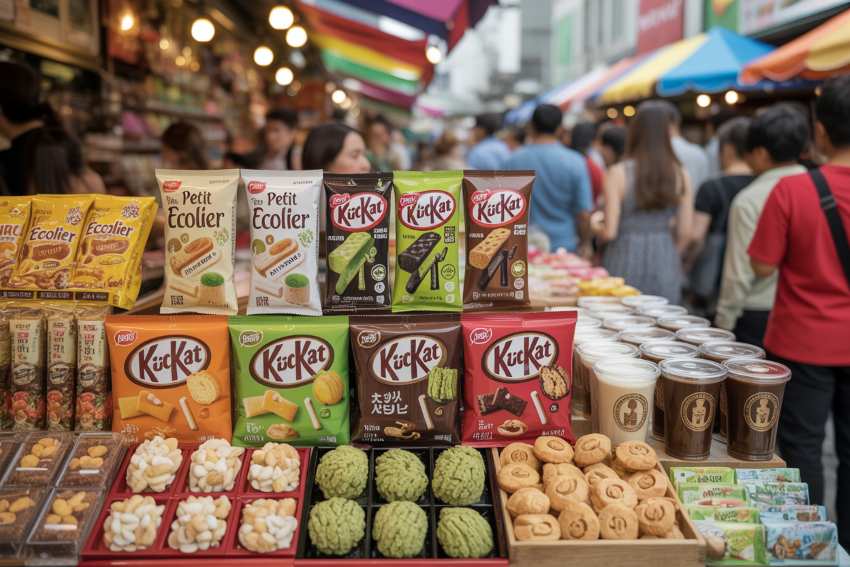
Snack tourism isn’t limited to a specific region or type of snack. From Europe to Asia, every part of the world boasts its own distinct flavours and snack traditions, and it’s these variations that attract travellers in search of new experiences. In France, the classic Petit Écolier biscuits are a must-try treat, offering a perfect combination of chocolate and biscuit that locals have enjoyed for generations. Meanwhile, in Japan, the wildly inventive array of KitKat flavours, from green tea to wasabi, entices tourists seeking new and exciting taste adventures.
Thailand also offers its own snack experience with popular drinks like Mogu Mogu, a fruit-flavoured beverage with chewy bits of coconut, which has become a favourite among both locals and international visitors. Each snack has its own cultural significance and offers an insight into local culinary preferences, ingredients, and food culture.
Snack Tourism and Cultural Immersion
For many travellers, snacks have become a way to immerse themselves in a destination’s culture. Just as traditional dishes reflect the history, geography, and social habits of a place, so too do the everyday snacks that locals consume. Whether it’s the choice of ingredients, the preparation methods, or the particular flavours that define a region, snacks offer travellers a deeper understanding of the cultural landscape.
Local snacks also provide a sense of belonging and authenticity. For instance, in some destinations, food plays such a vital role in daily life that it becomes an essential part of local identity. It’s not just about the taste; it’s about connecting with the rhythms of life in these destinations and understanding the role food plays in bringing people together. This immersive experience of food culture, facilitated by snack tourism, is proving to be an exciting and meaningful way to explore the world.
Snack Tourism Statistics: A Growing Trend
The growing popularity of snack tourism is supported by statistical evidence, highlighting its increasing importance among travellers. For example, nearly 47% of UK travellers consider local food and snack options to be a key factor when deciding where to travel. This figure illustrates just how significant the demand for snack-based experiences has become in the global travel industry.
Snack tourism also reflects a shift away from traditional, formal dining experiences. In the past, dining out at restaurants and indulging in local cuisines was the highlight of any travel experience. Today, however, snacks have taken centre stage, with travellers prioritising food experiences that are informal, easily accessible, and reflective of local life.
A Trend That’s Here to Stay
Snack tourism is more than a passing fad; it reflects how travel preferences are shifting to prioritise authentic, immersive, and sensory experiences. With the younger generation leading the way, it’s clear that food has become an essential part of our exploration and connection with the world. Snacks are a simple but effective way to sample a location, and for many, they have become the ideal way to engage with a destination in a meaningful way.
As this trend grows, more destinations are likely to capitalise on snack tourism by highlighting their local treats, ensuring that future travellers can continue to embark on flavour-driven adventures all over the world.