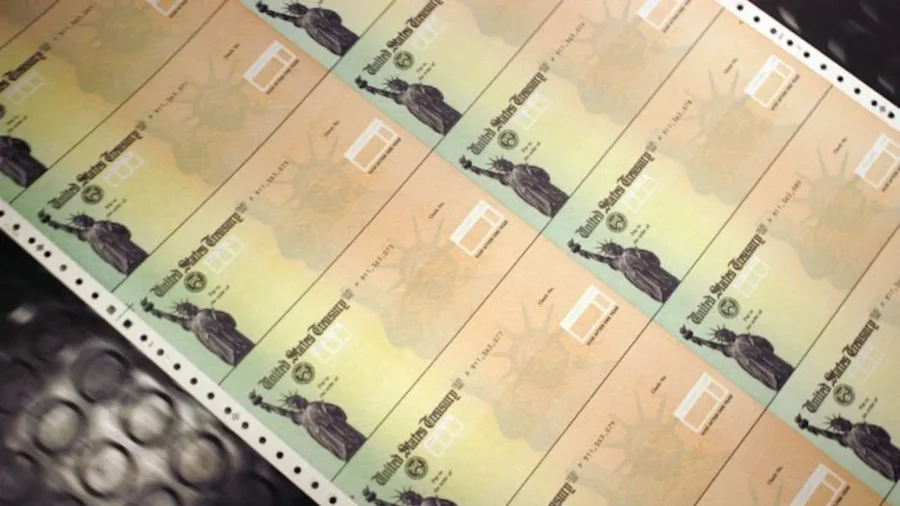
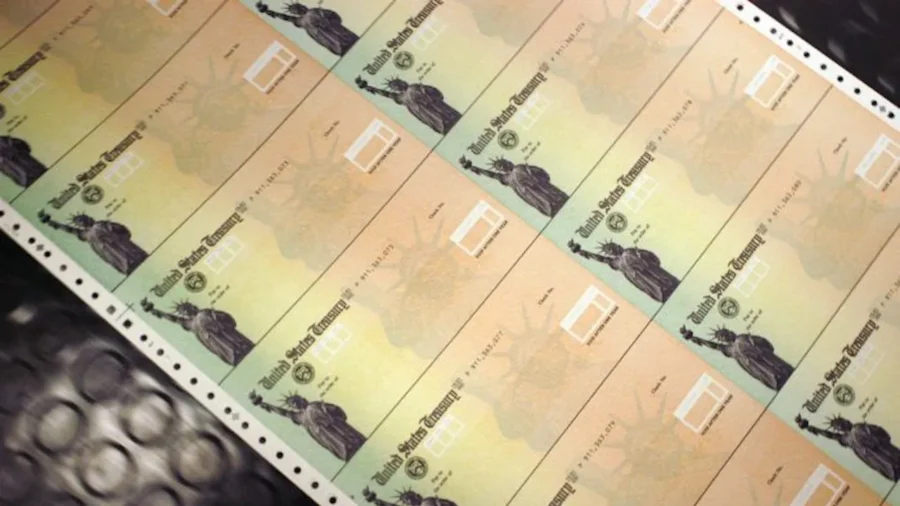
The Social Security Administration (SSA) will not phase out the sending of paper benefit checks to all recipients by Sept. 30, a spokesperson confirmed.
In a statement to The Epoch Times on July 28, an SSA spokesperson said that some Social Security beneficiaries will still receive checks in certain circumstances, but noted that the agency is working to lessen the number of paper checks being sent out.
“We will continue to drive down paper check volume, which is less than 1 percent of total, by proactively communicating with beneficiaries about the advantages of enrolling in electronic payments and the process for doing so,” the spokesperson said. “Where a beneficiary has no other means to receive payment, we will continue to issue paper checks.”
“This transition primarily affects a small group of beneficiaries who have not yet switched to electronic payment methods,” the agency said, adding that the SSA is encouraging people to enroll in a deposit or prepaid plan.
Beneficiaries who still get paper checks can receive their Social Security payments electronically through a Direct Deposit account or a Direct Express Card.
Direct Deposit allows for payments to be sent directly to the recipient’s checking or savings account, according to the SSA statement. Direct Express, meanwhile, is a prepaid debit card and is used for people who do not have a bank account.
The order signed by Trump includes language that allows for the sending of paper checks in “limited exceptions,” including individuals who don’t have a bank account.
The exception also can apply to “certain emergency payments where electronic disbursement would cause undue hardship,” under national security- and law enforcement-related activities when non-electronic transactions are required, or under “other circumstances” that are defined by the U.S. Treasury secretary. Those who qualify for an exception under the order or another applicable law will be granted an alternative payment option, it said.
Trump’s order said the reason it was issued was because “the continued use of paper-based payments … imposes unnecessary costs; delays; and risks of fraud, lost payments, theft, and inefficiencies” to the government.
“Maintaining the physical infrastructure and specialized technology for digitizing paper records cost the American taxpayer over $657 million in Fiscal Year 2024 alone,” it said.