Published on
March 15, 2026

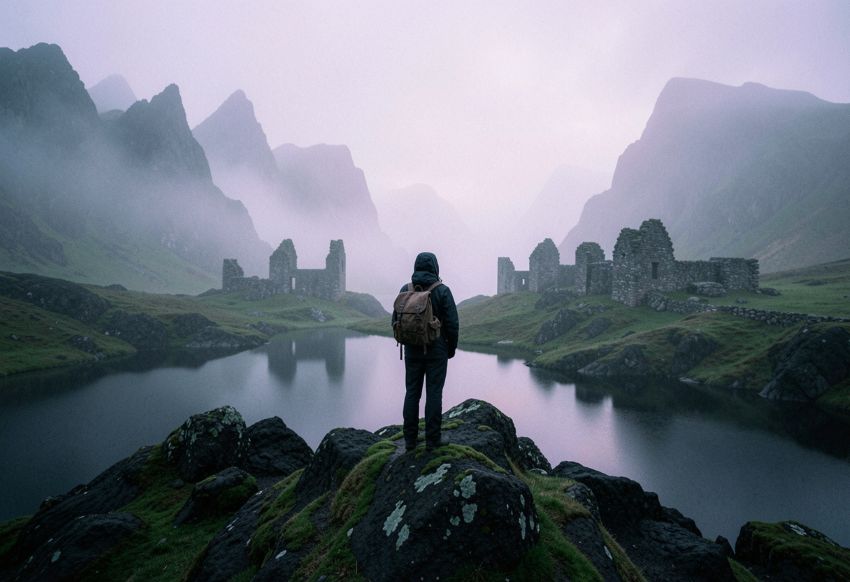
Image generated with Ai
As 2026 approaches, the global travel landscape is undergoing a significant shift. While previous years were defined by the frantic “revenge travel” of the post-pandemic era or the curated luxury of “quiet wealth”, a more introspective trend has emerged. This burgeoning phenomenon, widely known as the “Mystic Outlands”, is currently regarded as the year’s definitive tourism trend.
It is distinguished by a shared desire for destinations on the outskirts of the known world—places where the line between modern digital reality and the ancient natural world appears thin. Rather than being drawn to the neon lights of major cities or the manicured sands of traditional coastal resorts, travellers are increasingly drawn to environments that evoke mystery, spirituality, and a profound sense of isolation.
The Allure of Atmospheric Isolation
The core of the Mystic Outlands trend is rooted in the pursuit of atmosphere over activity. Journeys are being prioritized toward mist-covered highlands, jagged coastal cliffs, and dense, silent forests. The visual language of this movement is defined by low-hanging clouds, moody lighting, and landscapes that appear almost otherworldly.
In these remote natural environments, a sense of wonder is frequently reported by visitors who seek to escape the hyper-connectivity of everyday life. The traditional “sightseeing” checklist is being replaced by a desire for reflection and a quiet immersion in nature’s more dramatic displays. Destinations such as the Faroe Islands, the Scottish Highlands, and the rugged fjords of Northern Norway are being highlighted as prime examples of where this atmospheric isolation can be found. In these locations, the silence of the landscape is treated not as a void, but as a destination in itself.
Ancient Echoes and Cultural Depth
Beyond the physical beauty of these remote terrains, the Mystic Outlands trend is heavily fuelled by an interest in history and spiritual traditions. Ancient cultural sites—often those that remain partially shrouded in historical mystery—are being sought out with renewed fervour. These are not merely historical landmarks; they are treated as portals to a different era.
The spiritual weight of places like the rock-hewn churches of Lalibela in Ethiopia or the high-altitude monasteries of Bhutan is being rediscovered by a new generation of explorers. These sites are valued for their ability to provide a sense of continuity and depth that is often missing from modern urban existence. The historical narrative of these locations is frequently intertwined with local folklore and spiritual practices, creating a rich tapestry that invites contemplation rather than just photography.
Advertisement
Advertisement
A Departure from Conventional Tourism
The shift away from busy tourist hubs is perhaps the most quantifiable aspect of this movement. The infrastructure of traditional mass tourism is being eschewed in favour of more modest, integrated experiences. Luxury is no longer being defined by the number of stars a hotel possesses but by the rarity of the silence and the exclusivity of the view.
This departure is being driven by a desire for authenticity that feels unmanufactured. When travellers visit the “Outlands”, the intention is rarely to be entertained. Instead, the focus is placed on the experience of being present in a landscape that feels indifferent to human presence. This “otherworldly” atmosphere is what separates the Mystic Outlands from standard nature tourism; it is a search for the sublime—a mix of beauty and a humbling sense of one’s own insignificance in the face of time and nature.
Advertisement
Advertisement
The Role of Government and Sustainable Preservation
As these remote regions see an uptick in interest, significant measures are being implemented by national governments to ensure that the “mystique” of these areas is not eroded by their own popularity. According to official tourism guidelines from various nations, the focus is being shifted toward high-value, low-impact tourism models.
For instance, the Kingdom of Bhutan continues to refine its “High Value, Low Volume” tourism policy to protect both its natural environment and its unique cultural heritage. Similarly, environmental protections in the Arctic and sub-Arctic regions are being strengthened to mitigate the footprint of those seeking the ethereal beauty of the North. These governmental frameworks are essential, as they ensure that the very qualities drawing travellers to the Mystic Outlands—their untouched and silent nature—are preserved for the future.
The Future of the Journey
The Mystic Outlands trend reflects the maturation of the travel industry. It implies that the modern traveller is no longer content with simple leisure; there is a desire for meaning, mystery, and reconnection with the world’s elemental forces. As we approach 2026, the map of the world’s “must-see” destinations is being redrawn, emphasising the edges over the centre and the spiritual over the material.