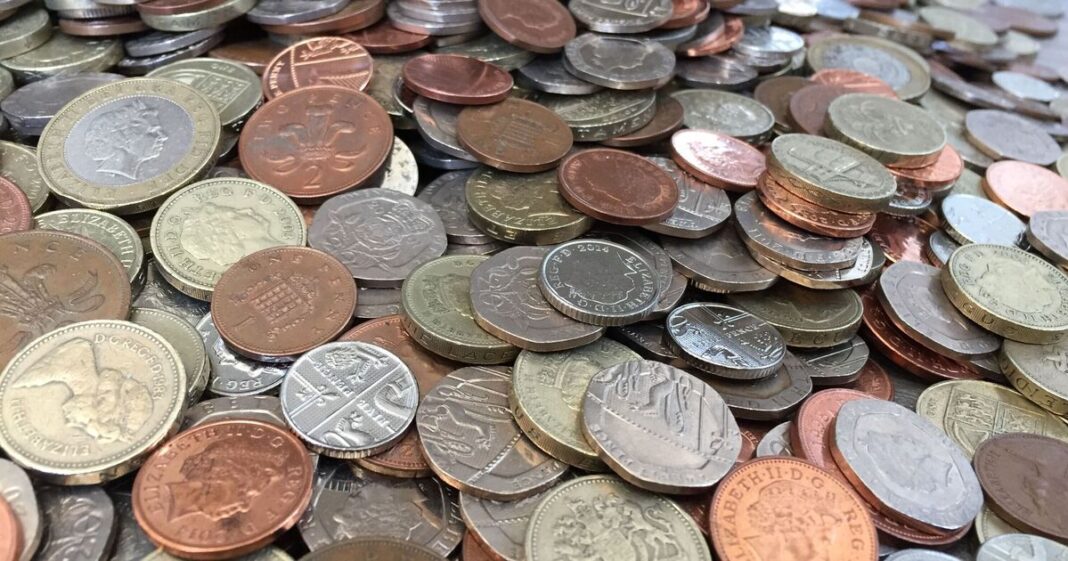
Brits are being reminded that the humble one‑pence and two‑pence coins in their homes still have value, even if they aren’t used much in everyday spending. While contactless and card payments have reduced the frequency of cash transactions, copper coins remain legal tender and sum up to significant amounts when gathered together.
The Royal Mint continues to produce and circulate 1p and 2p coins, but in some years, no new coins of these denominations have been struck because there are already ample supplies in the system. For example, figures from recent years show that demand for two‑pence pieces was low enough that none were minted in certain years.
Coins made before 1992 are predominantly copper (around 97%), making them comparatively more valuable as metal content than later versions, which are copper‑plated steel. Although it’s illegal to melt down coins of the realm, the rise in metal prices over time has led to some pre‑1992 pennies and 2p pieces having material values above their face value on global markets, a phenomenon seen during periods of high copper prices.
Gold and silver in particular have repeatedly hit new record highs. But the copper price has also soared in recent months, rising to an all-time high of more than £9,400 a tonne in January 2026. This is due in part to high demand for the red metal, as electric vehicles, renewable energy infrastructure such as wind turbines and solar panels, and the huge data centres required for the roll-out of artificial intelligence all require large amounts of copper.
This is Money pointed out that while each coin is worth only a penny or two in spending power, accumulating them – especially older copper examples – can add up to a meaningful total over time. Collectors and savers alike have been encouraged to take stock of their loose change as part of regular money‑saving habits.
There are also rare and collectible versions of certain pennies and two‑pence coins that can be worth well above face value to numismatists, though these are exceptions rather than the norm.
Despite discussions over the future of small coins, they remain part of everyday cash transactions in the UK. Even with the rise of digital payments, many people still use cash for various purchases, and finding a few extra coins around the home can mean adding pounds – not just pence – to your savings.