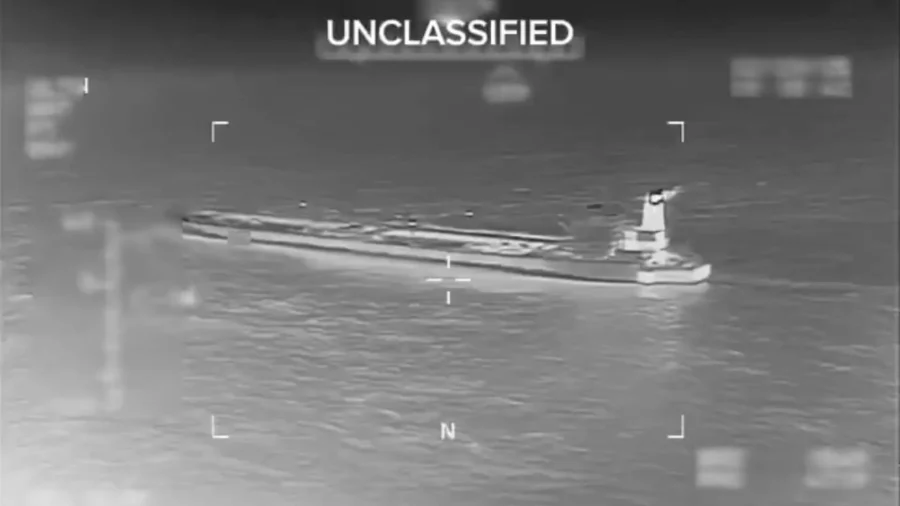
“The United States will continue to pursue the illicit movement of sanctioned oil that is used to fund narco terrorism in the region,” Noem said.
It was the second known instance of the US interdicting a vessel near Venezuela this month and comes after Trump announced this week a “blockade” of sanctioned oil tankers going in and out of the country. The U.S. seized a large oil tanker called the Skipper, which had been under sanctions for its ties to Iran, on Dec. 10.
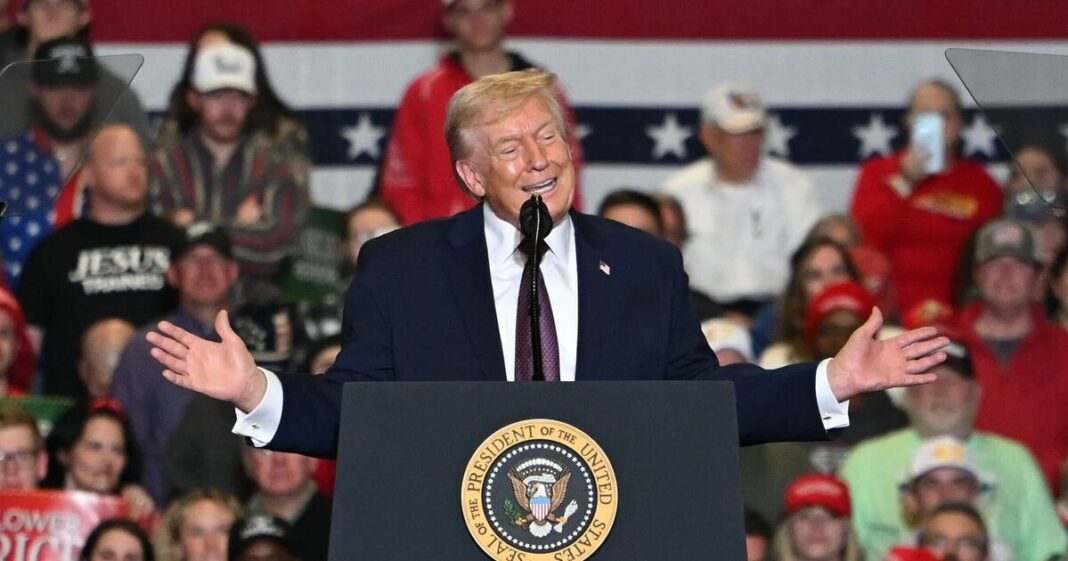
“I am ordering A TOTAL AND COMPLETE BLOCKADE OF ALL SANCTIONED OIL TANKERS going into, and out of, Venezuela,” Trump said on Dec. 16.
The targeting of tankers comes as Trump has ordered the Department of War to carry out a series of attacks on vessels in the Caribbean and eastern Pacific Ocean that his administration alleges are smuggling fentanyl and other illegal drugs into the United States and beyond.
At least 104 people have been killed in 28 known strikes since early September.
Since the first seizure, Venezuelan crude exports have fallen sharply.
In the days since U.S. forces seized a sanctioned oil tanker off the coast of Venezuela last week, there has been an effective embargo in place, with loaded vessels carrying millions of barrels of oil staying in Venezuelan waters rather than risk seizure.
While many vessels picking up oil in Venezuela are under sanctions, others transporting the country’s oil and crude from Iran and Russia have not been sanctioned, and some companies, particularly the U.S.’ Chevron, transport Venezuelan oil in their own authorized ships.
China is the biggest buyer of Venezuelan crude, which accounts for roughly 4 percent of its imports, with shipments in December on track to average more than 600,000 barrels per day, analysts have said.
Reuters contributed to this report.