Published on
March 7, 2026

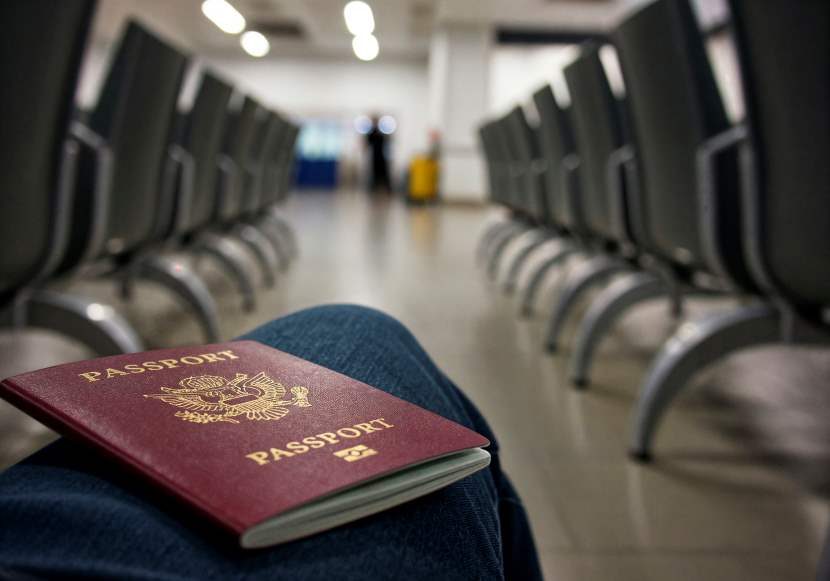
Image generated with Ai
In light of the significant disruptions currently impacting regional aviation, a series of benevolent measures have been introduced by the governments of the United Arab Emirates, Kuwait, and Qatar. These strategic interventions are aimed at providing much-needed relief to international travelers who have found themselves stranded due to widespread flight cancellations and the temporary closure of various airspaces. As the regional conflict continues to affect the logistical operations of numerous international airlines, the necessity for flexible visa regulations and the removal of overstay fines has become a priority for Middle Eastern authorities. By implementing these adjustments, a clear message of support is being extended to those who are unable to return to their home countries through no fault of their own.
The Implementation of Visa Extensions in the United Arab Emirates
The challenges faced by passengers within the United Arab Emirates have been met with a swift and formal administrative response. It has been observed that the Federal Authority for Identity, Citizenship, Customs, and Port Security has moved to ensure that no traveler is unfairly penalized for circumstances beyond their personal control. In instances where flights were grounded or redirected, automatic extensions of stay permits were granted to visitors. This decision was reached after it became evident that many individuals were unable to exit the country before the expiration of their legal documentation.
A formal notification was released to ensure that travelers are aware that any financial penalties typically associated with exceeding a stay limit would be waived. This gesture is viewed as a crucial step in maintaining the reputation of the country as a global travel hub that prioritizes the welfare of its visitors. The logistical burden on airport immigration offices has also been eased by the automation of many of these extension processes, allowing for a seamless transition for those awaiting the resumption of regular flight schedules.
Kuwait’s Strategic Waiver of Overstay Penalties
Similarly, the Ministry of Interior in Kuwait has issued directives to accommodate the needs of foreign nationals affected by the ongoing regional instability. It was noted that specific instructions were provided to immigration departments across the nation to refrain from collecting fines from those whose visas expired during the peak of the aviation shutdowns. The decision was motivated by the understanding that the suspension of services by several major carriers had left passengers with limited options for departure.
The focus in Kuwait has been placed on the humanitarian aspect of the crisis, ensuring that families and business travelers alike are not burdened by unexpected legal costs. Coordination between the civil aviation authorities and the immigration ministry has been intensified to ensure that the data of affected passengers is accurately recorded. This ensures that upon the eventual reopening of air routes or the rescheduling of flights, these individuals can depart without the stigma or financial weight of a visa violation being recorded against their names.
Qatar’s Proactive Measures for Stranded Passengers
In Qatar, a comparable approach has been adopted to manage the influx of travelers who have been delayed. The Ministry of Interior in Doha announced that special provisions would be made for visitors whose travel plans were interrupted by the regional conflict. It was emphasized that the grace period for visa holders would be extended until such a time that regular air traffic is restored and safe passage can be guaranteed.
Advertisement
Advertisement
The proactive stance taken by Qatar is intended to alleviate the anxiety often experienced by international tourists when faced with legal uncertainties in a foreign land. By removing the threat of overstay fines, the government has allowed visitors to focus on their personal safety and the logistical arrangements for their eventual return journeys. Frequent updates are being provided through official channels to keep the public informed of the evolving situation and the specific steps required to validate their continued legal presence in the country.
Impact of Regional Conflict on Global Air Travel
The broader context of these visa waivers is rooted in the significant disruption of the aviation sector across the Middle East. Numerous airlines, including major regional carriers and international operators, were forced to suspend operations or reroute flights to avoid contested airspaces. This resulted in thousands of passengers being unable to reach their final destinations or return home. The closure of airspace in neighboring nations created a ripple effect, leading to the congestion of airports in the UAE, Kuwait, and Qatar.
Advertisement
Advertisement
It is recognized that the decision to waive fines is not merely a legal adjustment but a necessary reaction to a large-scale logistical crisis. The cooperation between the various ministries of interior and the civil aviation departments has been essential in managing the flow of people through these international gateways. As long as the instability persists, these flexible policies are expected to remain in place to protect the interests of the global traveling public.
Coordinated Efforts and Future Outlook
The coordinated efforts by these three Gulf nations highlight a unified regional approach to crisis management in the travel sector. It is understood that the protection of traveler rights during times of conflict is essential for the long-term stability of the tourism and aviation industries. By prioritizing the removal of financial and legal barriers for stranded individuals, the UAE, Kuwait, and Qatar have demonstrated a commitment to international standards of hospitality and administrative fairness.
As the situation continues to be monitored by global authorities, it is expected that further announcements may be made regarding the duration of these waivers. Travelers are encouraged to maintain contact with their respective embassies and the local immigration offices to ensure they remain compliant with any new requirements. For now, the suspension of overstay fines serves as a vital safety net for those caught in the middle of regional volatility, ensuring that their temporary stay remains as stress-free as possible under the circumstances.