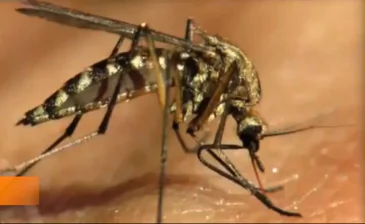
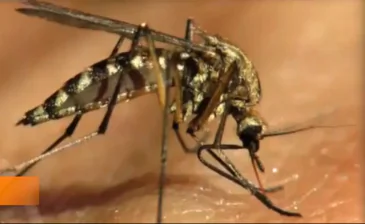
The World Health Organization (WHO) said in an outbreak notice last week that some countries are reporting a resurgence in the chikungunya virus, which is transmitted via mosquitoes, and warned that the virus could spread further.
As of Sept. 30, at least 445.271 suspected chikungunya cases and 155 related deaths were reported worldwide in 40 countries, according to the WHO.
“Some WHO regions are experiencing significant increases in case numbers compared to 2024, although others are currently reporting lower case numbers,” it said. “This uneven distribution of cases across regions makes it challenging to characterize the situation as a global rise.”
The Americas region reported the highest number of viral cases, followed by the European region, which the WHO said comprises “cases reported predominantly from French Overseas Departments in the Indian Ocean.”
Due to what it says is an “uneven distribution of cases across regions,” the WHO said it’s difficult to describe the situation as a global rise, but it warned that “the potential for further spread remains significant.”
The risk caused by the mosquito-borne illness is “heightened by limited population immunity in previously unaffected areas, favorable environmental conditions for vector breeding, gaps in surveillance and diagnostic capacity, and increased human mobility and trade,” the U.N. health agency added.
“Strengthening disease surveillance, enhancing vector surveillance and control, and improving public health preparedness are essential to mitigate the risk of further transmission,” it said.
Women who are “infected around the time of delivery can pass the virus to their baby before or during delivery,” the CDC said on Sept. 26. “Newborns infected in this way or by a mosquito bite are at risk for severe illness, including poor long-term outcomes.”
“Seek medical care immediately if you develop fever, joint pain, headache, muscle pain, joint swelling, or rash during or after travel,” the agency warned.
The disease typically produces symptoms including fever, muscle pain, nausea, fatigue, and a rash. But in rarer instances, it can cause debilitating joint pain that persists for months or even years, while patients who develop severe forms of the disease usually have to be hospitalized due to organ damage
The Associated Press contributed to this report.