Published on
January 1, 2026
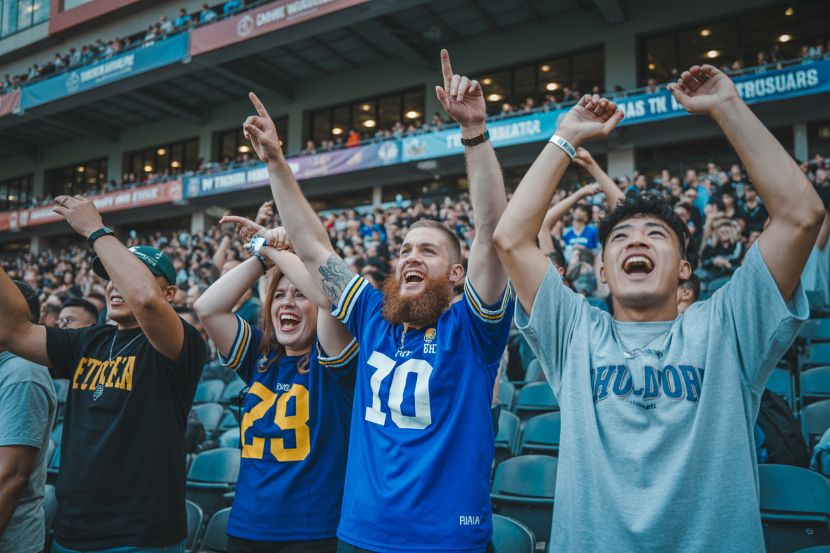
A recent report by Arival reveals a major shift in how people are planning their trips: fandom is now a key driver in travel intent. For younger generations, attending events such as concerts, sports matches, and major performances is becoming a significant motivator to travel. These passion-driven decisions are influencing when, where, and how people travel, particularly among those aged 18–34.
The report, titled “The Event-Driven Traveler”, highlights the growing importance of fandom in shaping travel decisions. Whether it’s attending a World Cup match, Ariana Grande’s concert tour, or the 2026 Winter Olympics, people are increasingly planning entire trips around these experiences. This trend is particularly evident in the sports and performing arts sectors, where fans are not just attending events locally but are travelling globally to witness their favourite teams or artists live.
Fandom as a Catalyst for Higher Spending and Earlier Bookings
Event-driven travel has a clear economic impact. The report reveals that sports fans tend to spend more money and book their trips earlier than other types of travellers. For these passionate fans, travel planning revolves around securing tickets to the event before arranging other travel logistics. The emotionally charged connection to an event often means fans are willing to pay premium prices for tickets, accommodation, and transportation.
In the case of younger travellers, more than 60% of those aged 18–34 report feeling highly committed to the event they are attending, underscoring the emotional intensity behind event-driven travel. This commitment leads to increased spending on not only the event itself but also related experiences like local tours, food and beverage, and souvenirs.
Social Media: The New Travel Discovery Platform
The report also underscores the critical role of social media in driving event-based travel. Platforms such as TikTok and Instagram are now the primary discovery channels for event-driven travellers, particularly among younger audiences. For these travellers, social media provides not just a platform to learn about events but also the opportunity to book tickets and discover related travel experiences. User-generated content, such as viral posts or influencer marketing, significantly impacts which events people choose to attend and how they plan their travels around them.
Social media’s ability to spark excitement and create anticipation around events, coupled with its influence on buying decisions, has made it an essential tool for the travel industry. As a result, tourism providers and event organisers are leveraging these platforms to engage with potential customers and boost bookings.
Event-Based Travel in the US and Europe: A Shared Trend
The report also highlights global trends in fandom-driven travel, noting that over half of 18–34-year-olds in both the US and Europe reported high levels of fandom for their chosen sport, artist, or event. While the specifics of each market vary, the overarching pattern is clear: fandom is a universal travel motivator that transcends borders.
Fans are eager to immerse themselves in the events they love, and destinations are increasingly offering special packages and experiences tailored to event-goers, including VIP access, backstage tours, and local experiences related to the event. This growing demand for passion-led travel is reshaping the tourism landscape, with more destinations, hotels, and tour operators catering to these emotionally engaged travellers.
The Impact of ‘Buy Now, Pay Later’ on Fandom Travel Spending
A key element in the growth of event-driven travel is the rise of “buy now, pay later” (BNPL) options, particularly among younger travellers. The report notes that more fans are using BNPL services to finance their travel, allowing them to secure tickets and book trips without the immediate financial burden. This trend is most prevalent in markets like the UK, where younger fans are using BNPL for everything from event tickets to accommodations, underscoring the financial flexibility fans are increasingly relying on.
This payment model is particularly attractive for those attending high-demand events like sports finals or concert tours, where prices can be steep, and last-minute bookings may still be possible. By offering BNPL options, event organisers and travel providers can capture a wider audience of potential customers.
What This Means for the Future of Travel
The findings in Arival’s “The Event-Driven Traveler” report signal a shift in how travel is planned and experienced. As fandom-driven travel grows, industry stakeholders will need to adapt by offering customised travel packages that cater specifically to fans. This might include tailored itineraries, exclusive event access, and enhanced fan experiences before, during, and after the event.
Furthermore, the increasing role of social media means that destinations and event organisers will need to engage with fans in a way that aligns with their passions. Digital marketing strategies will be crucial for reaching and influencing the fandom traveller, using targeted ads, influencer partnerships, and content that resonates with fans on an emotional level.
Event-Driven Travel is the Future of Tourism
In conclusion, fandom-driven travel is set to continue its rise in 2026 and beyond, with younger travellers leading the way. Events such as the 2026 Winter Olympics, World Cup, and major concerts are becoming the central focus of travel planning, driving fans to book earlier and spend more on their trips. With social media and BNPL options further shaping consumer behaviour, the travel industry must remain agile, creating customised experiences that meet the emotional needs of event-goers.
As the travel industry adjusts to these new demands, event organisers and tourism providers will need to develop innovative strategies to capitalise on this growing segment of passionate travellers. The future of tourism will undoubtedly be shaped by fandom, with event-led travel becoming a dominant force in global travel planning.