Monday, July 21, 2025
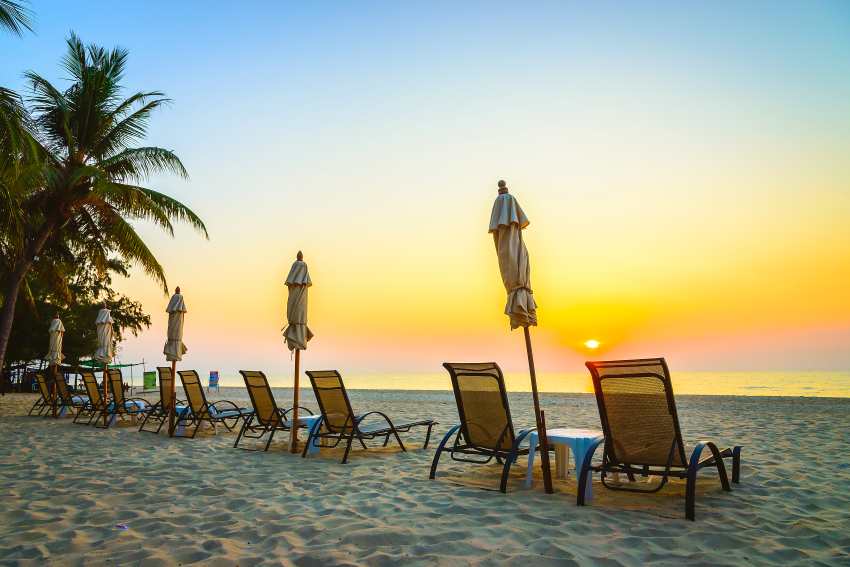
On Fuerteventura there are endless golds sands over which runs a constant wash of Atlantic waves under deep blue skies. They walk barefoot along the edge of Corralejo Beach, their footwear imprints quickly erased by the advancing tide. This year, those footprints will be imbued with yet deeper significance: National Geographic has just crowned Corralejo the best beach in the world, placing it above such globally lauded stretches of sand as Greece’s Sarakiniko and Croatia’s Stiniva Cove. What’s more, this award isn’t just about shining a light on the beauty of the beach – it says big things about how Fuerteventura and the Canary Islands are situated in the global tourism ecosystem.
Located at the northern end of Fuerteventura, in the protected area of the Corralejo Dunes Natural Park, Corralejo Beach is more than a place; it’s a celebration of nature, of preservation…and of an island. For Spanish tourism, to have become part of the global pantheon of respected publications that so have is a significant achievement, and one which resounds through the corridors of environmental policy, economic development, and local community engagement.
Crisis Weighs on Ghosn and Rivals A year after Carlos Ghosn’s arrest, some in Japan are ready to call it a crisis at his company, Renault — and beyond.
In the days since the announcement, regional tourism boards, hotel associations, and transport operators have reported an immediate surge in interest from European and overseas travelers. The Cabildo de Fuerteventura (Island Council) and the Government of the Canary Islands are already making plans to control anticipated excess numbers of visitors. This includes more bus services to Corralejo, investment in sustainable beach infrastructure and community engagement initiatives to ensure a growing number of tourists benefits local people.
In 2024, Fuerteventura received more than 2.1 million tourists, as reported by Spanish Ministry of Industry, Trade and Tourism. First estimates for 2025 show an anticipated increase of 15-20% in visitor numbers, driven by Corralejo Beach. This could lead to millions in additional economic activity — for accommodations and meals, tours and local markets, and transportation.
The Charm of Corralejo: A Nature’s Painting
What I adore about Corralejo is its unsophisticated beauty. The beach is over 10 km long, and is lined by soft dunes and clear turquoise waters. It doesn’t hurt that it’s walking distance to the Lobos Island Nature Reserve, attracting eco-friendly tourists, snorkelers, and bird watchers. The Parque Natural de las Dunas de Corralejo, which is home to flora that can only be found here and that is also of great geological interest, protects from excessive urbanisation and serves as a foundation for the island’s wildlife preservation system.
What sets Corralejo apart, National Geographic says, is its scenery – but also the way it combines environmental responsibility with accessibility to visitors. The area offers a balance of tourism infrastructure — cafés, boardwalks, bike rentals — with strict environmental protections that maintain the natural identity of the land.
Ripple Effect: Boosting the Coast System of Fuerteventura
Corralejo has played a part in the awareness of Fuerteventura’s other coasts. Costa Calma to the south of the island is a sprawling, calm sandy beach making it good for families and windsurfers. It, too, has experienced an uptick in bookings and beach-goers this summer, as visitors widen their itineraries beyond Corralejo.
To the west is the ancient capital of Betancuria for inland adventures and eco-tourism routes, and east is the mix of family resorts and dive sites at Caleta de Fuste. Combined, the attractions make up one united tourism product that mirrors what Fuerteventura has to offer – a wealth of landscapes and a wealth of culture.
Local Voices: On Community Pride and Involvement
The honor has been a source of pride for locals, many of whom have labored through the decades to keep up the beach’s appearance. Now, fishermen and artisans and surf instructors and café owners in Corralejo are suddenly at the epicenter of a global travel trend. “I’m happy,” said Ana Rodríguez, a long-time local vendor who sells handmade jewelry near the dunes, before breaking down in front of a sea of supporters carrying signs that said “Save The Dunes.” “I was raised by this beach. To see the world at long last see its beauty means everything.”
There are also several community based projects promoting good tourism. Environmental groups, backed by the Canary Islands’ Ministry of Ecological Transition, are distributing educational materials on dune protection, marine biodiversity and waste reduction. Schools are teaching coastal education as part of summer programs and helping to ensure that future generations are connected to and protective of their surroundings.
Conservation vs tourism: Striking the right balance
One of the things that’s helped Panorama Isla with their international prominence is it gave them a way to marry prosperity with nature. Sustainable tourism is, in fact, one of the pillars for the next decade in the Canary Islands Tourism Strategy 2030 implemented by regional authorities. Specific measures being implemented include:
The growth of ecocertified accommodation in the Corralejo area
Enhancement of refuse collection and recycling in natural areas
Set limits to visitor capacity so overcrowding does not occur.
Promotion of green modes of transport, such as electric shuttles to the popular beaches
These initiatives are geared toward ensuring that, while Corralejo flings its arms open ever wider, it’s not at the expense of its delicate ecosystem, a priority that marries well with National Geographic’s own focus on “environmental conservation alongside global exploration.”
Intenational Visibility and Strategic Tourism Planning
And Corralejo’s recent accolade as the world’s best beach as further bolstered the Canary Islands’ reputation as a top-tier European destination to rival sun-soaked heavyweights in Asia or the Caribbean. Its exploitation for international promotion was taken over by the director general of promocion del TURismo Canario but while this legal guy was suspended and dismissed, were created the slogans to promote this area aimed at attracting private investment and plan.ing, little green eco-luxury tourists and digital nomads on the islands, offering itself to the world of new adventurers.
Fuerteventura’s airport authority is now considering several new routes with major airlines, further expecting the emergence of larger international markets from Northern and Central Europe, North America and East Asia.
Challenges Ahead: Preparing for Growth
Celebrations aside, officials here are well aware that the recognition may also bring complications. Crowding, environmental destruction and community displacement are dangers that frequently accompany tourism surges. As a precaution, the Island Council is in the process of preparing a multi-step impact assessment taking feedback from city planners, ecologists and residents.
The plans include developing public transport, a tourist tax and carrying capacity monitoring stations on priority beach zones. The aim isn’t to limit tourism, but to direct it — to ensure that growth in tourism benefits both the visitors and the Island, without eroding the latter’s character.
A Moment for Fuerteventura — and the World
Corralejo’s ascension to international renown is more than a feather in the cap of the island — it’s a let’s-give-props-to-beauty-when-it’s-preserved-and-not-paved.Igneously born of spewed and spattered volcanic ooze, the Dunes occupy territory that, if it were located elsewhere, would have long ago been built out and built up with bloated resorts or bloated villas. As travelers worldwide look for meaningful escapes, places like Corralejo have an answer: clean air and open skies and a chance to plug back to nature.
The recognition, for Fuerteventura, has brought fresh energy. From town councils to school groups, citizens are re-examining their home. To the world traveler, the island posits itself less as a destination and more as an invitation — to explore, to respect and to return.
Tags: Betancuria, Caleta de Fuste, canary islands, Canary Islands beach travel, Corralejo, Corralejo best beach 2025, Costa Calma, Costa Calma beach tourism, eco-tourism Fuerteventura, fuerteventura, Fuerteventura tourism growth, Lobos Island, Lobos Island nature reserve, National Geographic best beaches, Spain beach ranking, Spain coastal destinations, sustainable tourism Canary Islands