Published on
September 21, 2025

Vietnam’s tourism scene is undergoing a noticeable shift, as travelers are increasingly opting for lesser-known destinations over traditional hubs. A recent report from Agoda, a global digital travel platform, reveals that searches for secondary destinations in Vietnam increased by 9% in the first half of 2025 compared to the same period in 2023. This uptick in interest signals a growing preference for smaller, less commercialized cities and rural areas. The shift is not only shaping the way travelers experience Vietnam but also paving the way for new opportunities for local communities and the broader tourism sector.
What Defines ‘Secondary Destinations’ in Vietnam?
In the context of Vietnam’s tourism, secondary destinations refer to locations outside the ten most popular tourist spots. Agoda’s report highlights that travelers are exploring destinations beyond the usual suspects, which include cities and locations such as:
- Da Lat
- Da Nang
- Ha Long
- Hanoi
- Ho Chi Minh City
- Hoi An
- Nha Trang
- Phan Thiet
- Phu Quoc
- Vung Tau
These primary destinations have long been considered the heart of Vietnam’s tourism, attracting millions of visitors each year. However, a shift is underway as more and more travelers are seeking out secondary cities and rural areas, which offer more authenticity and less crowded experiences. Smaller cities and towns are now becoming increasingly popular, offering rich cultural experiences, natural beauty, and the chance to engage with local communities more intimately.
Lesser-Known Regions Experiencing Growth
In the past, Vietnam’s most popular cities and beaches were the focal points of its tourism economy. However, in recent years, secondary destinations like Thanh Hoa, Nghe An, Ha Giang, and Tam Dao have begun to attract more attention. Agoda’s report mentions these regions specifically as places that have seen significant growth in searches and bookings, particularly during holidays and peak travel seasons. These lesser-known destinations are now benefitting from rising interest and investment.
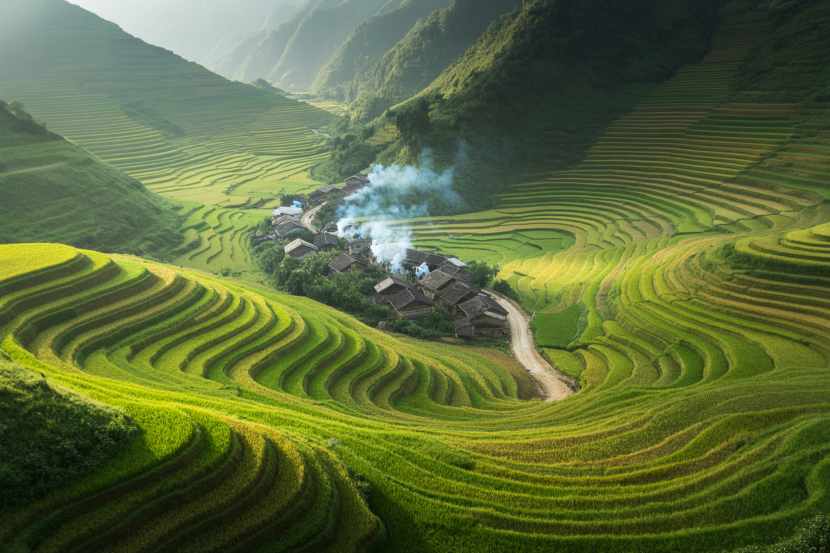
- Thanh Hoa: Located in the northern part of Vietnam, Thanh Hoa is known for its diverse culture and natural beauty. Visitors to Thanh Hoa can enjoy the scenic Pu Luong Nature Reserve, where they can explore terraced rice fields, traditional wooden stilt houses, and untouched natural landscapes. The province’s cultural heritage sites, including ancient temples and the UNESCO-recognized Trang An Scenic Landscape Complex, offer travelers a unique, less-commercialized experience compared to more famous destinations like Hanoi or Ha Long Bay.
- Nghe An: Another province in northern Vietnam, Nghe An is home to a mix of cultural and natural attractions. The province is notable for its beautiful beaches, including Cua Lo Beach, and the famous Pu Mat National Park, which is rich in biodiversity. Nghe An also boasts a wide variety of ethnic minority cultures, giving visitors the opportunity to experience authentic local life. The region is a hidden gem for travelers looking for a combination of nature, culture, and history.
- Ha Giang: Located in the far north of Vietnam, Ha Giang is often considered the country’s final frontier for adventure tourism. Known for its dramatic mountain landscapes, Ha Giang offers some of the most breathtaking views in Southeast Asia. The Dong Van Karst Plateau Geopark is a UNESCO World Heritage site and offers excellent opportunities for hiking, biking, and cultural immersion. The area’s ethnic minority groups, including the Tay, H’mong, and Dzao, add to the region’s cultural appeal. This destination is especially popular among adventurers looking for an off-the-beaten-path travel experience.
- Tam Dao: For those seeking a cooler climate and a peaceful retreat, Tam Dao offers a perfect getaway. Located about 70 kilometers from Hanoi, this mountain resort town provides an escape from the bustling urban life. With its cool weather, colonial architecture, and lush greenery, Tam Dao has become an attractive option for both domestic and international visitors looking to unwind amidst nature.
What Is Driving the Shift Toward Secondary Destinations?
Several factors contribute to the increasing interest in secondary destinations across Vietnam. Among the most significant are improvements in infrastructure, the rise of cultural tourism initiatives, and travelers’ growing desire for authentic experiences.
Infrastructure Improvements
Over the past few years, Vietnam has made significant investments in its transportation network, making it easier for travelers to access smaller cities and rural areas. New highways, improved road conditions, and the expansion of domestic flights have made regions like Thanh Hoa, Nghe An, Ha Giang, and Tam Dao more accessible. The improved infrastructure has allowed tourists to explore these lesser-known areas with greater ease and comfort, further promoting these destinations.
The government has also been working on improving hospitality infrastructure, including hotels, resorts, and other services. This progress is a key factor in enabling these smaller destinations to accommodate tourists while maintaining their local charm.
Cultural Tourism Initiatives
Local governments and tourism bodies are increasingly promoting cultural tourism as a way to highlight the unique traditions, history, and customs of lesser-known regions. This includes showcasing festivals, crafts, and indigenous practices that offer visitors a more immersive experience. By focusing on cultural tourism, these secondary destinations are able to carve out a niche for themselves in Vietnam’s rapidly expanding tourism market.
For instance, Ha Giang is promoting its colorful markets, ethnic minority festivals, and traditional handicrafts, attracting tourists who are eager to learn more about Vietnam’s diverse cultures. Similarly, Thanh Hoa has been spotlighting its rich history, which includes ancient temples, traditional villages, and famous national parks, positioning itself as a destination for those interested in both culture and nature.
Desire for Authenticity and Avoidance of Crowds
Many modern travelers are looking for more authentic experiences that allow them to connect with local communities and cultures in meaningful ways. With the rise of mass tourism in popular destinations like Hanoi and Ho Chi Minh City, some travelers are now seeking quieter, less commercialized spots. Secondary destinations, with their unique cultures, slower pace, and quieter settings, provide a refreshing alternative to overcrowded tourist centers.
Opportunities and Challenges for Vietnam’s Tourism Industry
While the rise in searches for secondary destinations presents exciting opportunities, it also introduces challenges that need to be carefully managed.
Economic Opportunities for Local Communities
The increased flow of tourists into these lesser-known regions can have a significant positive impact on local economies. Small towns and rural areas stand to benefit from increased demand for local goods, services, and accommodations. As tourism grows in these regions, local businesses, such as restaurants, craft shops, and tour operators, can thrive, creating jobs and boosting the local economy.
Sustainability Challenges
As these secondary destinations gain popularity, ensuring sustainable tourism practices becomes essential. Overcrowding in previously untouched regions can put pressure on local ecosystems, cultural sites, and communities. To mitigate this, the Vietnamese government and tourism authorities will need to promote responsible travel practices and ensure that local communities are involved in tourism planning. Sustainable development strategies, such as ecotourism and community-based tourism initiatives, will be critical to preserving the authenticity and beauty of these regions.
Looking Ahead: The Future of Vietnam’s Tourism
With the increasing interest in lesser-known destinations, Vietnam’s tourism industry is poised for a shift. While the well-established destinations will continue to be popular, the secondary destinations will gradually carve out their own place in the tourism landscape. As infrastructure continues to improve, cultural initiatives expand, and more travelers seek authentic experiences, lesser-known regions will play an important role in the country’s tourism future.
Travelers, too, stand to benefit from this shift. They can explore new regions, engage with local cultures, and contribute to the economic development of these destinations. Ultimately, the rise of secondary destinations highlights the dynamic nature of travel and the evolving preferences of today’s tourists.