Published on
January 13, 2026

Le Gosier is quietly emerging as one of the most authentic and compelling beach destinations in the Caribbean for 2026, a seaside town where life flows seamlessly from the water to the sidewalks, and where visitors can truly feel part of local culture. Nestled on the southern coast of Grande‑Terre in Guadeloupe, this coastal commune blends easy‑going everyday living, pristine beach access, Creole culinary delights, and island escapes into a travel experience that feels both intimate and energizing.
Where Sea Meets Sidewalk: A Town Rooted in Water and Life
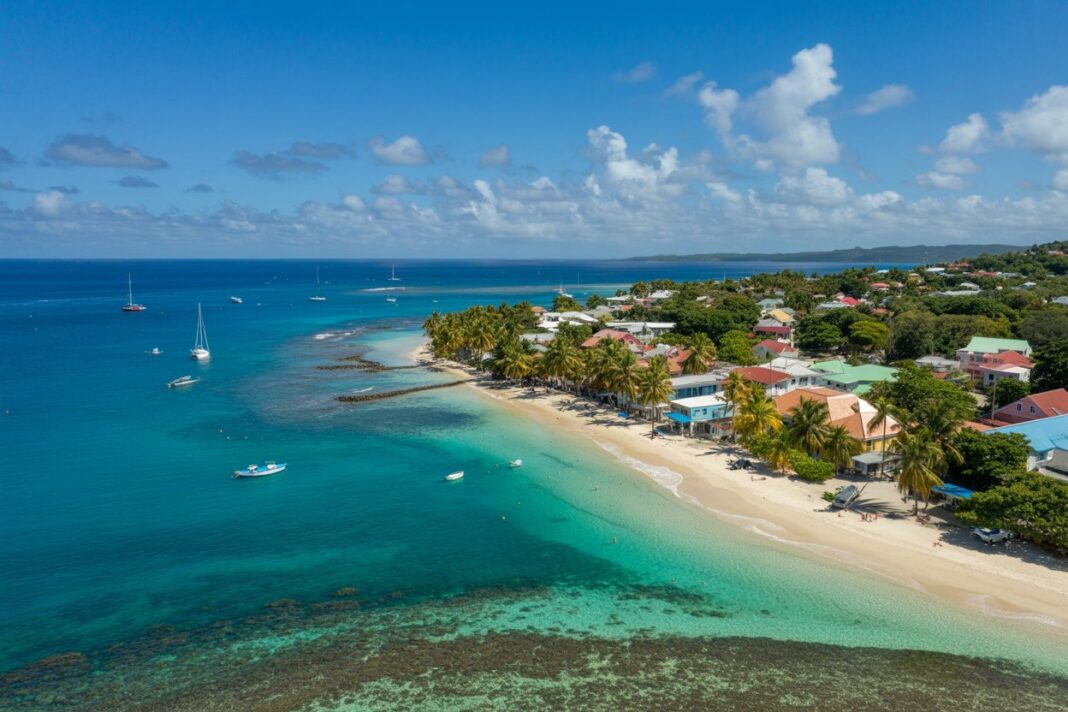
Le Gosier is unique because its beaches are not a separate zone from town life — they are woven into daily routines. Residents and visitors alike step off sidewalks and almost instantly find themselves wading into clear, shallow Caribbean waters without organized beachfront transitions or barriers, giving this town a true coastal lifestyle vibe.
The town’s charm lies in how natural and accessible everything feels. Morning routines may start with a buttery croissant or rich espresso from one of the many local bakeries and then continue with a stroll along the shore. Families, couples and solo explorers share the same welcoming beach spaces, turning seaside time into an effortless part of everyday life rather than a scheduled activity.
Sun, Sand, and Sea: Beaches and Island Escapes
Le Gosier offers calm, swim‑friendly beaches that are ideal for people of all ages, making it a welcoming choice for both families and solo travellers. The gentle waters and clear sea make this a great spot for swimming without effort, from sunrise to sunset.
A short boat ride from town takes visitors to Îlet du Gosier, a small islet just offshore where the sea becomes brighter, views open wider, and the pace of life slows to island time. Here, a laid‑back beach bar serves up nautical ti’ punch and classic Caribbean flavours, while soft sand and tranquil water offer a perfect island escape without the need for a day‑long excursion.
Creole Culture and Street‑Food Flavours
What sets Le Gosier apart from many classic resort towns is how nature and culture are experienced together. Street food stands — especially bokit stalls — are frequent and authentic, where locals gather for savoury fried breads stuffed with saltfish, chicken or shrimp, drizzled with spicy sauces and wrapped simply in paper. No reservations, no fuss — just delicious fuel for hot days.
As the day unfolds, grills appear with platters of accras (salt cod fritters), skewers and local plates cooked in simple, satisfying ways, inviting travellers to join locals in communal eating spots that capture the true Creole art de vivre.
More to Explore: Culture, History and Activities
Beyond the town beaches, Le Gosier and its surrounding areas offer a variety of experiences that appeal to both first‑time visitors and return travellers. The marina at Bas du Fort is a hub of recreation, with sailboat and motorboat rentals, diving clubs, and opportunities to explore the mangrove forests and sea caves of the region.
Perched above the bay, Fort Fleur d’Épée provides panoramic views and a sense of regional history dating back to the 18th century. Touring the fortification offers a glimpse into the colonial past of Guadeloupe and how maritime strategy shaped life along these shores.
For families, the Aquarium de la Guadeloupe at the marina showcases coral and fish species native to the Caribbean, and features educational ecotours and mangrove excursions that help visitors appreciate the archipelago’s marine ecosystems.
Local Hospitality and Practical Travel Tips
Le Gosier sits within the larger Guadeloupe Islands, a French Caribbean archipelago known for blending European sophistication with tropical warmth — a mix that’s increasingly attracting travelers from Europe, North America, and beyond. The official Guadeloupe Islands Tourism Board highlights a commitment to promoting authentic cultural experiences, natural beauty, and sustainable travel across the region.
Since Guadeloupe is a French overseas department, visitors use the Euro (€) and enjoy French‑standard services alongside Caribbean hospitality. Practical travel information such as transport options, car rentals, and local infrastructure is available through official tourism platforms and onsite offices, making planning stays in Le Gosier and beyond straightforward for international visitors.
The Le Gosier Tourist Office offers brochures, maps, and guidance on local events, dining, beach access and cultural points of interest, helping visitors make the most of their getaway.
Beyond Le Gosier: Riviera des Îles and Grande‑Terre Adventures
Le Gosier is part of the dynamic Riviera des Îles on the south coast of Grande‑Terre, a region that includes Sainte‑Anne, Saint‑François and La Désirade, each with its own distinct character. Grande‑Terre’s beaches — with white sand, coral reefs and turquoise waters — are famous across the Caribbean for swimming, snorkeling and water sports, offering endless seaside enjoyment.
Nearby Sainte‑Anne is celebrated for postcard‑perfect beaches, a lively market full of spices and tropical produce, and scenic sailboat sunsets that complement the relaxed yet vibrant rhythm of island life.
Why Le Gosier Is 2026’s Hidden Gem
Le Gosier’s charm lies in its effortless fusion of beach life and town life, where locals and visitors share seaside routines as naturally as they share sun and sand. The town’s welcoming atmosphere, Creole culture, and water‑centric lifestyle create a sense of place that feels intimate yet richly layered. Its marina, historic forts, beaches and street food scene make it more than a typical resort town — it is a living Caribbean town with stories, tastes, and authentic rhythms that invite discovery.
Whether you’re seeking a relaxed seaside escape, cultural immersion, or the perfect base for exploring Guadeloupe’s sublime beaches and natural wonders, Le Gosier offers something uniquely rewarding. And for 2026, it stands out as a destination travelers should experience before it becomes widely known beyond the Caribbean’s best‑kept circles.