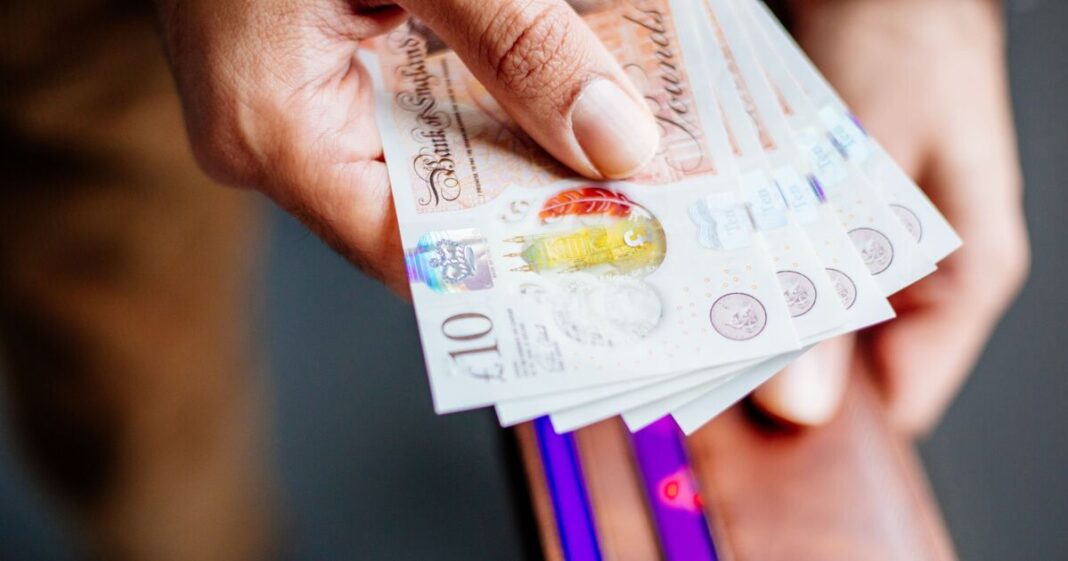

The full basic State Pension is now worth up to £184.90 per week (Image: Getty)
Older state pensioners across the UK will get an £8.45 boost to weekly State Pension payments in May following a triple lock change. The start of the new tax year on April 6 ushered in a 4.8% uplift to State Pension rates in line with the triple lock.
The triple lock determines exactly how much the State Pension rises each year based on whichever is the highest out of three factors – the consumer price index (CPI) measure of inflation (measured for September in the previous year), or average wage growth between May and July of the previous year, or 2.5%. As average wage growth was the highest out of these three factors at 4.8%, State Pension rates went up by this amount for the 2026/27 tax year.
The triple lock change in April means pensioners will now benefit from higher payments, but as the new tax year begins on April 6, some pensioners don’t actually get a full month on the new rates until May. As such, May is the first month of the year when many state pensioners will fully benefit from the new rates. For example, if your pension was paid between April 1 and April 6, you won’t have received the new higher rate, but every pension payment in May will be at the new amounts.
Read More: Older state pensioners get early £739.60 DWP payments in May
Read More: DWP confirms automatic £300 payments for state pensioners
For older pensioners who get the basic State Pension, the full rate is now worth £184.90 per week, up from £176.45 previously. This increase gives pensioners a weekly payment boost of £8.45 in the 2026/27 tax year if you’re eligible for the full amount.
As the State Pension is paid every four weeks, those who qualify for the full rate will receive up to £801.23 per month on average across the whole year. This is up from £764.62 per month on average under the old rates.
Over a full year, the new full payment rate is worth a maximum of £9,614.80, up from £9,175.40 previously, giving eligible claimants an overall annual increase of up to £439.40.
You’ll get the basic State Pension if you’re a man born before April 6, 1951, or a woman born before April 6, 1953, but the amount you get depends on your National Insurance record.
To get the full amount, a man born between 1945 and 1951 usually requires 30 qualifying National Insurance years, while men born before 1945 require 44 qualifying years.
For women, you’ll need 30 qualifying years if you were born between 1950 and 1953, or 39 qualifying years if you were born before 1950.
If you have less than the full number of qualifying National Insurance years, then your basic State Pension will be less than £184.90 per week in the 2026/27 tax year.
As for those getting the new State Pension, the full rate is now £241.30 per week, up from £230.25 – a weekly increase of £11.05, giving those who get the maximum amount an extra £574.60 per year.
The figures are based on the maximum possible amount for those with a full qualifying National Insurance record, so those without enough qualifying years will receive less.
The Department for Work and Pensions (DWP) said the Government’s commitment to the triple lock means pensioners’ incomes will rise by up to £2,100 over this Parliament, and this year’s uprating will help millions across the UK facing cost of living pressures.
Commenting on the 4.8% increase on April 6, Minister for Pensions Torsten Bell said: “After a lifetime of work and contribution, people deserve a decent retirement.
“Raising the State Pensions faster than prices, ensuring it is a pension they can rely on, is how we make that a reality for millions.”