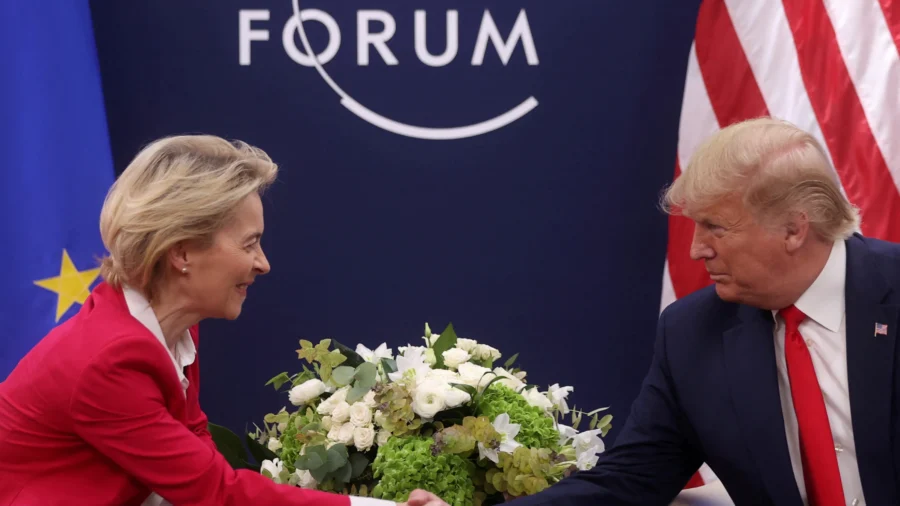
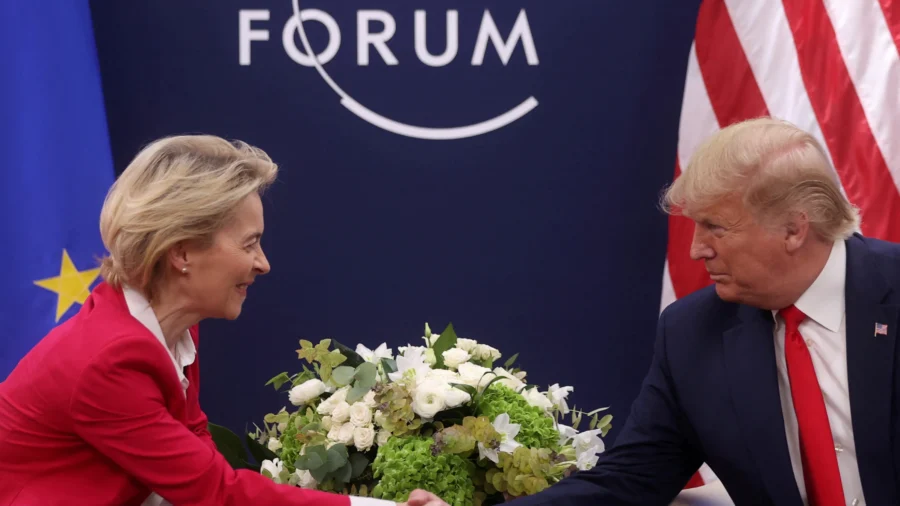
The European Union is poised to join “Pax Silica,” a U.S.-led multilateral coalition targeting AI chip supply chain security and export controls to counter China’s expansion.
Launched by the Trump administration last December, “Pax Silica” is designed to secure global supply chains for AI chips, critical minerals, and advanced technologies in an effort to reduce reliance on China.
EU ambassadors are scheduled to approve joining the initiative on Wednesday. On the same day, the EU will also unveil a package of measures designed to bolster its technological independence, including boosting demand for European-made chips and ensuring that the most sensitive public-sector cloud applications remain hosted within Europe.
The decision follows weeks of debate among EU member states, who were previously divided on the matter. Three EU nations—Greece, Finland, and Sweden—had already joined individually.
Furthermore, Germany, Italy, and the Netherlands strongly backed the initiative, emphasizing the need for the EU to present a unified front with Washington.
Conversely, opponents worried that the initiative could undermine the EU’s regulatory autonomy. France was among the most outspoken skeptics, arguing that the initiative amounted to an attempt to “colonize” Europe and sabotage the EU’s own technological sovereignty.
Paris and several other states demanded clarification regarding the governance structure of Pax Silica, its relationship with the G7 countries, and whether it would compromise the EU’s regulatory autonomy—particularly concerning export controls and foreign direct investment (FDI) screening.
The European Commission has confirmed that Pax Silica is a non-binding political declaration rather than a legal treaty, ensuring it will not compromise internal EU policy decisions following talks with the State Department.
Following Beijing’s implementation of export controls on rare earths and other minerals, the United States has been deepening cooperation with its allies regarding critical materials. The UK, the UAE, the Philippines, Singapore, Japan, India, and Australia have already joined the initiative.
The green light from member-state ambassadors on Wednesday is the first step toward the EU’s formal accession to the “Pax Silica” initiative. The EU still requires ministerial-level approval, which could be granted as early as next week.