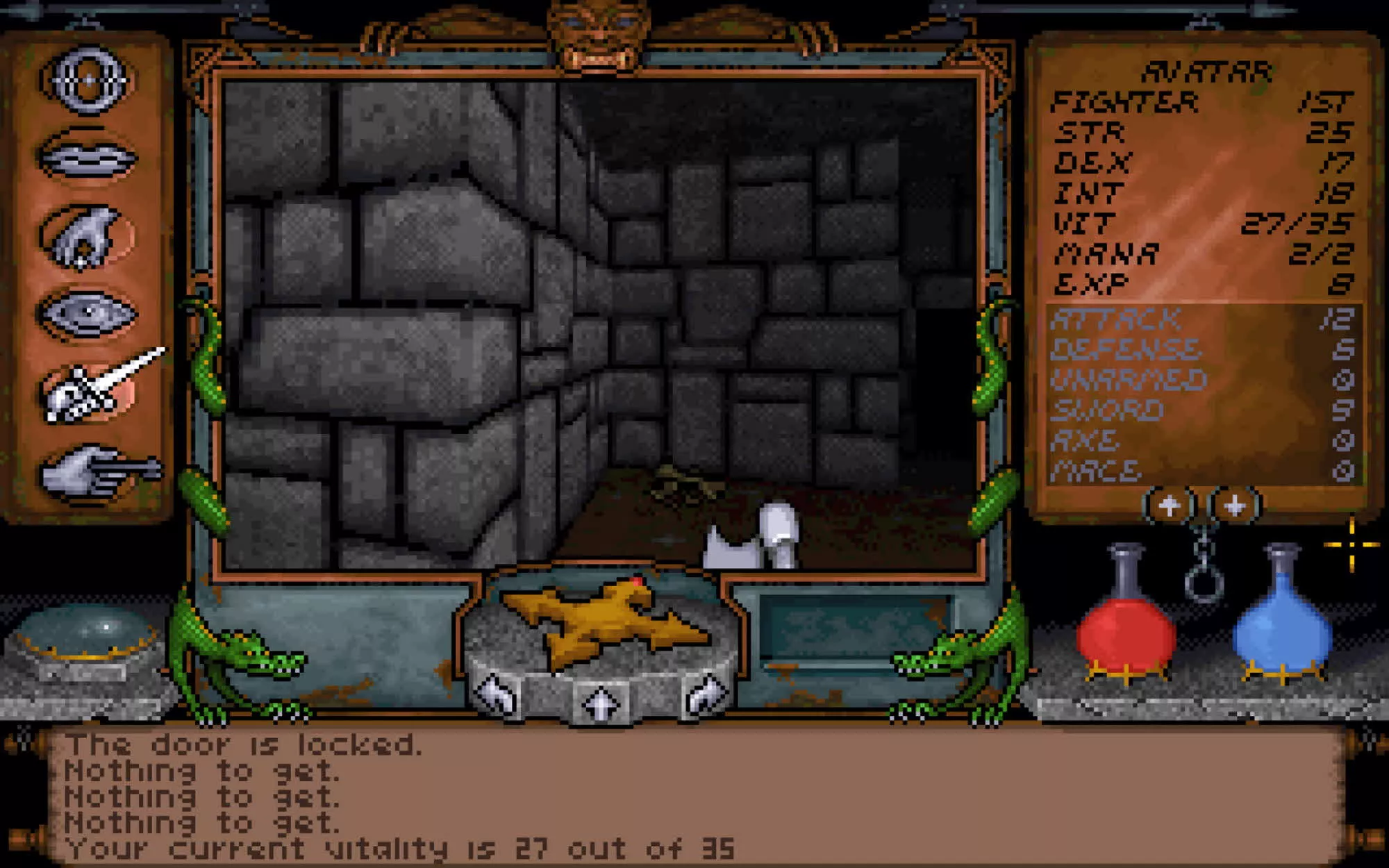
Looking ahead: Two quiet moves – one from EA, one from Ultima’s creator – could end up reshaping what the series looks like in the years ahead. Electronic Arts recently filed new trademarks tied to Ultima, the long-running RPG series it acquired in 1992 and has mostly left dormant since. The filings don’t point to a specific project, but they do show EA is still actively protecting the Ultima name. Around the same time, Ultima creator Richard Garriott has been working to a different kind of schedule, one set by the quirks of US copyright law.
Garriott says he has tried several times over the years to bring Ultima back with EA’s help, but each effort stalled before anything concrete happened. “Every decade or so, I tried to work with EA on a revival of Ultima,” Garriott told Inside Games’ Brian Gaar. “They always seemed interested enough to start talking, then abandoned talks just as quickly.” Beyond those stalled talks, he’s now looking at other ways to move forward.
Under US law, creators can move to reclaim certain rights to their work 35 years after they transferred them. EA acquired the rights in 1992, making 2027 the first year Garriott can act on that 35-year rule. “And so, I have been waiting… finally, the time has come!” he said.

The wrinkle – and the part that matters most for how any future game actually gets built – is the way copyright and trademark split in this case. Even if Garriott regains the underlying rights to his original work, EA would still control the Ultima name and associated branding through trademark protection.
In practice, that could leave Ultima heading in two directions at once.
Garriott could build a new project based on elements he originally created for the series, but he wouldn’t be able to release it under the Ultima name. EA, for its part, would remain free to launch or license games under the Ultima brand, with or without Garriott’s involvement.
Garriott has hinted at how he’s thinking about that challenge: “‘Lord British’s Ultima’ will regain all the copyrights of my original work. What it will become is the next challenge.” Taken at face value, he seems more interested in reworking his old ideas than simply slapping the same logo on a new box.
That distinction matters. Ultima has been around for more than 40 years, and the series has already gone through long stretches of quiet followed by resurfacing in new forms. If Garriott does move ahead, he’ll need to decide what “Lord British’s Ultima” actually looks like in practice, a question he hasn’t yet answered publicly.
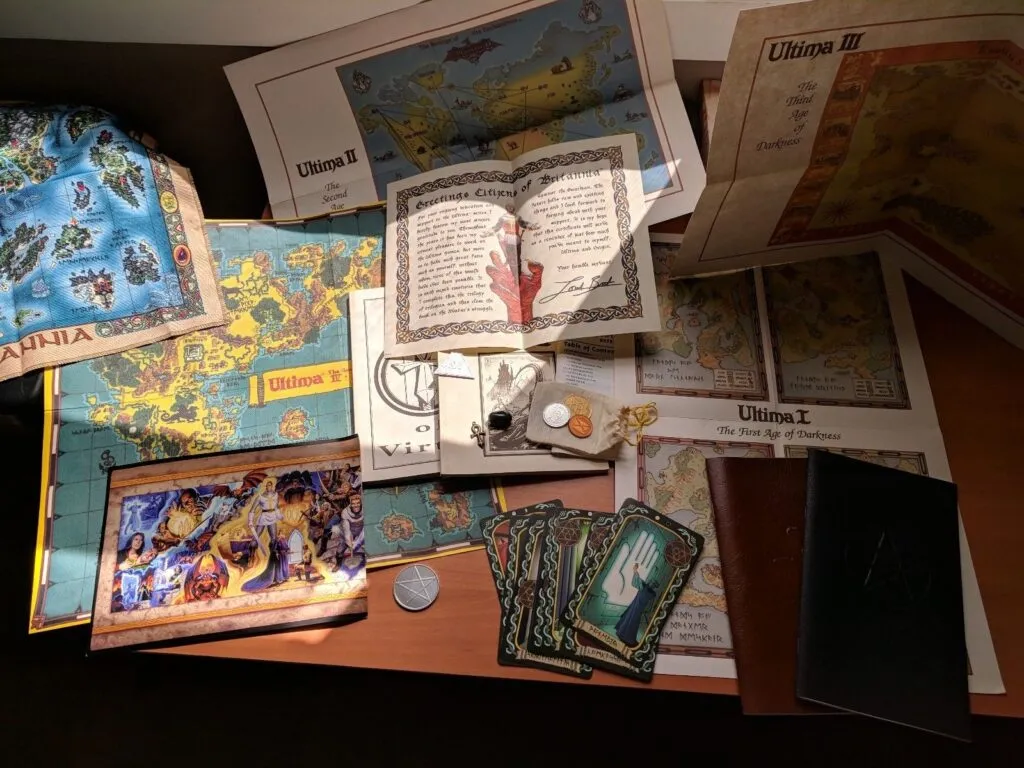
At the same time, EA’s trademark activity raises a separate set of possibilities. If EA does more with the trademarks, any new Ultima-branded project could look very different from the older games, though the company hasn’t said what it has in mind. Whether that happens remains unclear, but the filings suggest the IP hasn’t been shelved for good.
For now, neither side has laid out concrete plans. Garriott is expected to appear at Dragon Con later this year, where he said he hopes to have “more thoughts together about what that will actually mean.” Until then, both paths remain speculative.
Still, the setup is hard to ignore. It’s rare for a legacy franchise to reach a point where its original creator and its current owner can move forward at the same time, but under entirely different constraints. If both efforts materialize, Ultima could end up existing in two forms – one tied to its name, the other to its original design philosophy.