How did IMAX go from niche to necessary? Here’s how it started, where India fits in, and why it’s the kind of moviegoing experience people still chase. Read further to know everything before the big one hits the cinemas again.

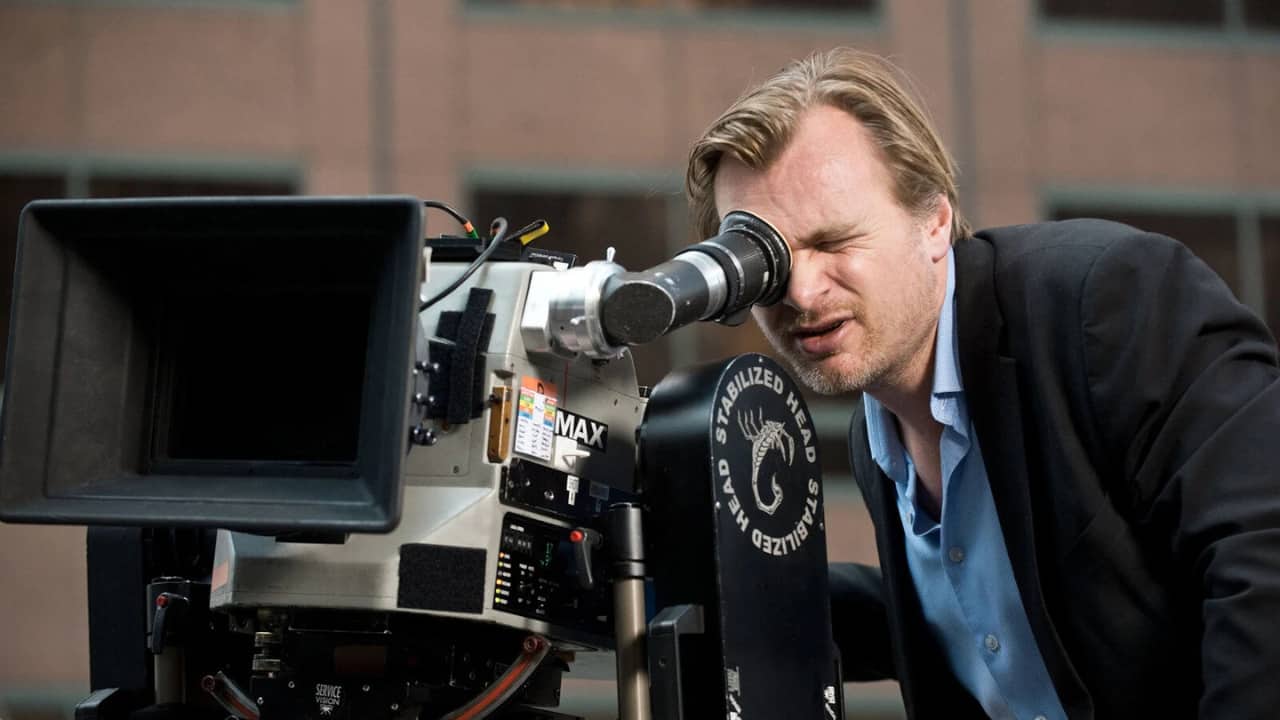
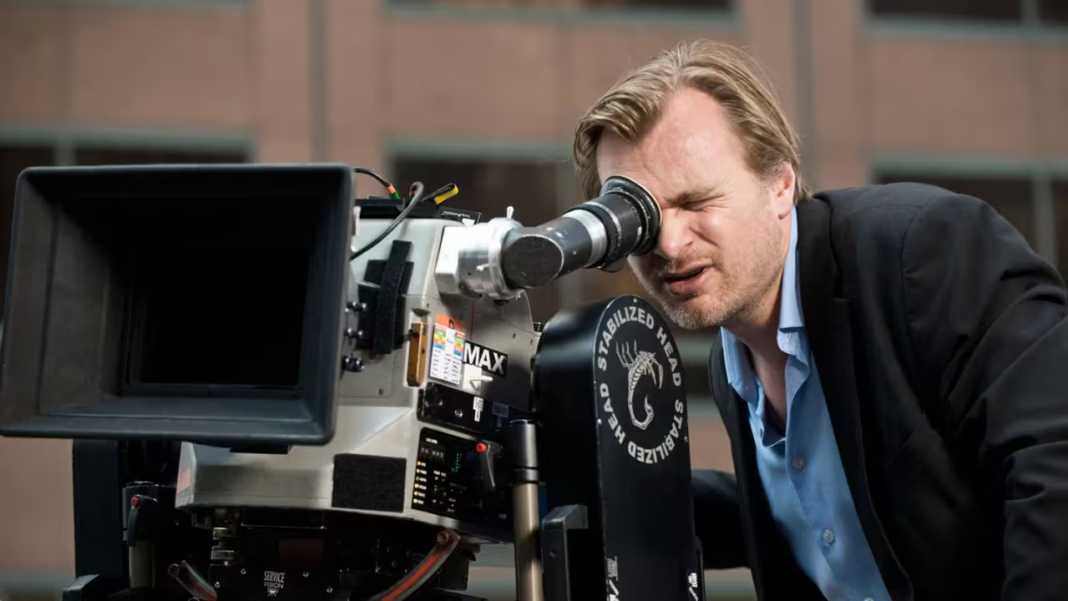
Christopher Nolan’s IMAX obsession EXPLAINED: How did the format become Hollywood’s BIGGEST game-changer?
From The Dark Knight to Oppenheimer and now the upcoming The Odyssey, Christopher Nolan and IMAX go hand-in-hand. Whenever he announces a new film, fans don’t just ask about the story, everyone wants to know: Will it be in IMAX as well. This epic, larger-than-life format didn’t start out as Hollywood’s favorite. It orginally began as an experiment, not a blockbuster standard.
What Is IMAX and Where Did It Come From?
Long before IMAX became the mark of “must-see” movies, it was just a wild idea, what if movies could feel even bigger? The company goes all the way back to Canada, 1967. Filmmakers Graeme Ferguson, Roman Kroitor, Robert Kerr, and engineer William Shaw were tired of traditional, clunky multi-projector systems. Those old setups ruined big-screen spectacle with warped images and misaligned frames. So, they built something new, a single, powerful projector running 70mm film horizontally. The result was a massive, jaw-droppingly sharp picture. Toronto saw the first IMAX theater in 1971, but for a long time, the format lived in museums, science centers, and IMAX’s signature documentaries. It took decades before Hollywood jumped on board.
How IMAX Won Over Hollywood
For years, IMAX meant documentaries about planets, blue whales, or flight but not exactly blockbusters. That started to change in the early 2000s. Movie studios noticed, people would pay more for something special at the movies. The real game-changer is Nolan’s The Dark Knight in 2008. He filmed major sequences with IMAX cameras, the opening bank heist practically knocked people out of their seats. These weren’t just bigger images tossed on huge screens. The format gave directors a staggering amount of detail, wider shots, and scale that regular film just couldn’t match.
Ever since, directors like Denis Villeneuve, James Cameron, Ryan Coogler, Joseph Kosinski, and, of course, Nolan himself, have kept IMAX at the heart of blockbuster moviemaking. It’s no longer a “nice to have”instead now, it’s a creative choice.
IMAX in India: A Unique Story
India’s relationship with IMAX is its own epic tale. Mumbai got the country’s first IMAX theater in Wadala in 2001, one of the rare places anywhere running true 70mm IMAX film but over time, rising costs and tough maintenance forced it to switch to digital. Fast forward a decade, and IMAX reappeared across India thanks to new digital tech. Today, you’ll find IMAX screens all over Mumbai, Delhi, Bengaluru, Hyderabad, Chennai, Pune. The catch simply is none of them use the classic 15/70mm film projectors anymore. Audiences mostly see digital IMAX, which is still impressive, just very different.
Why Directors Swear By IMAX
IMAX isn’t just about a giant screen. For directors, it’s a whole different way to tell stories. The cameras are beasts, they grab more detail, richer colors, a depth that regular formats can’t match. The taller aspect ratio shows off more of the scene (think of those endless desert landscapes or towering city skylines). Add in the custom-tuned sound, and suddenly, a film isn’t just something you watch, a good IMAX movie pulls you right into the world on screen. Directors who live for practical effects and big moments love the format. They want you to feel like you’re standing right there, not just watching from a safe distance.
Why Audiences Keep Coming Back
There’s more to IMAX than just a huge screen. The image doesn’t just fill your eyes, it almost eats up your field of vision. Action scenes are jaw-dropping, and even quiet moments feel weirdly personal. The sound rattles your bones, the projection is brighter, and the whole setup is calibrated to make the movie hit in a way your living room just can’t. In the streaming era, IMAX is one of the few reasons people still buy tickets.
Christopher Nolan + IMAX: The Duo That Rewrote Movies
Nobody’s pushed IMAX like Christopher Nolan. The Dark Knight was just the start. With every new film, The Dark Knight Rises, Interstellar, Dunkirk, Tenet, Oppenheimer, he shot more with IMAX cameras. He didn’t just follow a trend. With every project, he basically dared his peers and the industry to make bigger, riskier movies. IMAX wasn’t a novelty for him; it became the mark of what movies could do. Now, with The Odyssey, Nolan’s obsession reaches its peak. This movie is the first ever shot entirely with IMAX film cameras. It happened because Nolan and IMAX engineers partnered up, inventing quieter cameras that could handle not just epic action, but also dialogue.
The Odyssey: A New IMAX Milestone
Adapting Homer’s epic wasn’t about making another ancient blockbuster. For Nolan, The Odyssey proves you can shoot an entire narrative movie in IMAX, not just cherry-pick the action scenes. They filmed it across multiple countries, all with this next-gen IMAX tech. It’s the climax of almost twenty years of experimenting, from The Dark Knight forward. Fans snatched up IMAX tickets months ahead of release, this is the movie everyone wants to see huge.
What’s Next for IMAX?
Sure, streaming changed the game but IMAX still makes some movies worth leaving home for. Now that filmmakers like Nolan design their vision around the format, not just use it for a few scenes. IMAX isn’t just a screening gimmick. It’s part of how modern movies get made. With The Odyssey as the first full-length feature shot entirely with IMAX film cameras, the story isn’t just about holding onto a legacy. IMAX is busy making a new one.

Next Story
Essel Group Chairman Dr Subhash Chandra’s father Nand Kishore Goenka passes away at 96