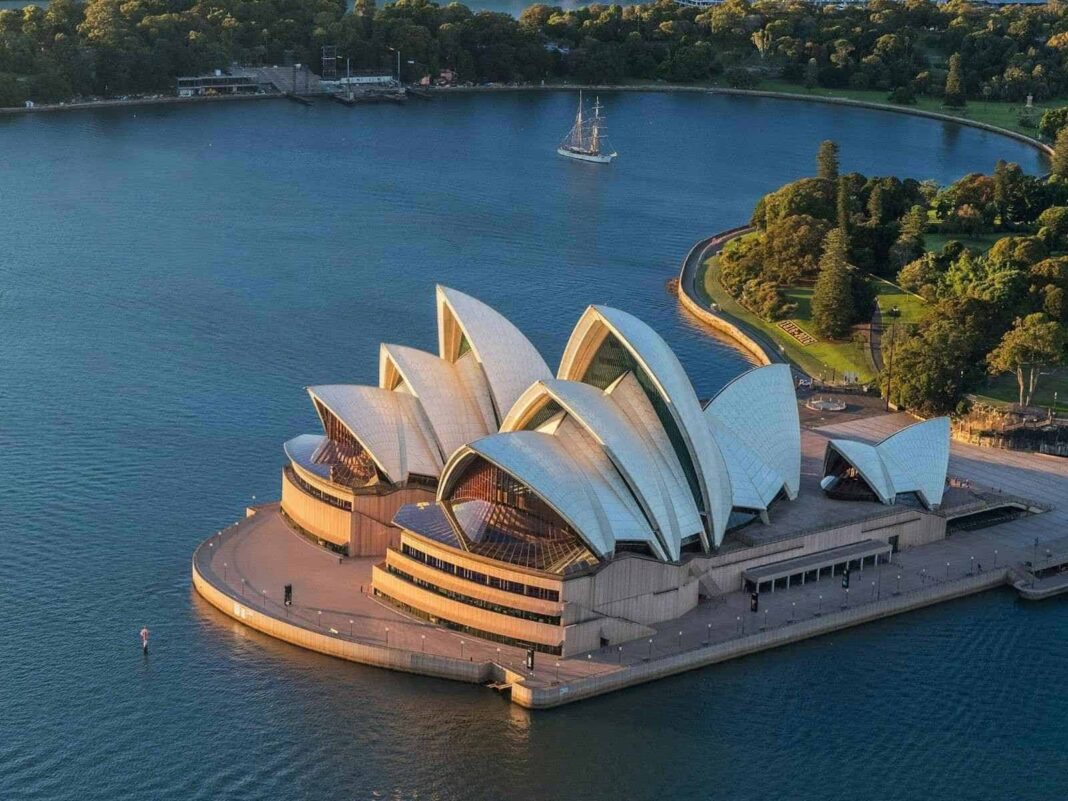
Published on August 18, 2026 |
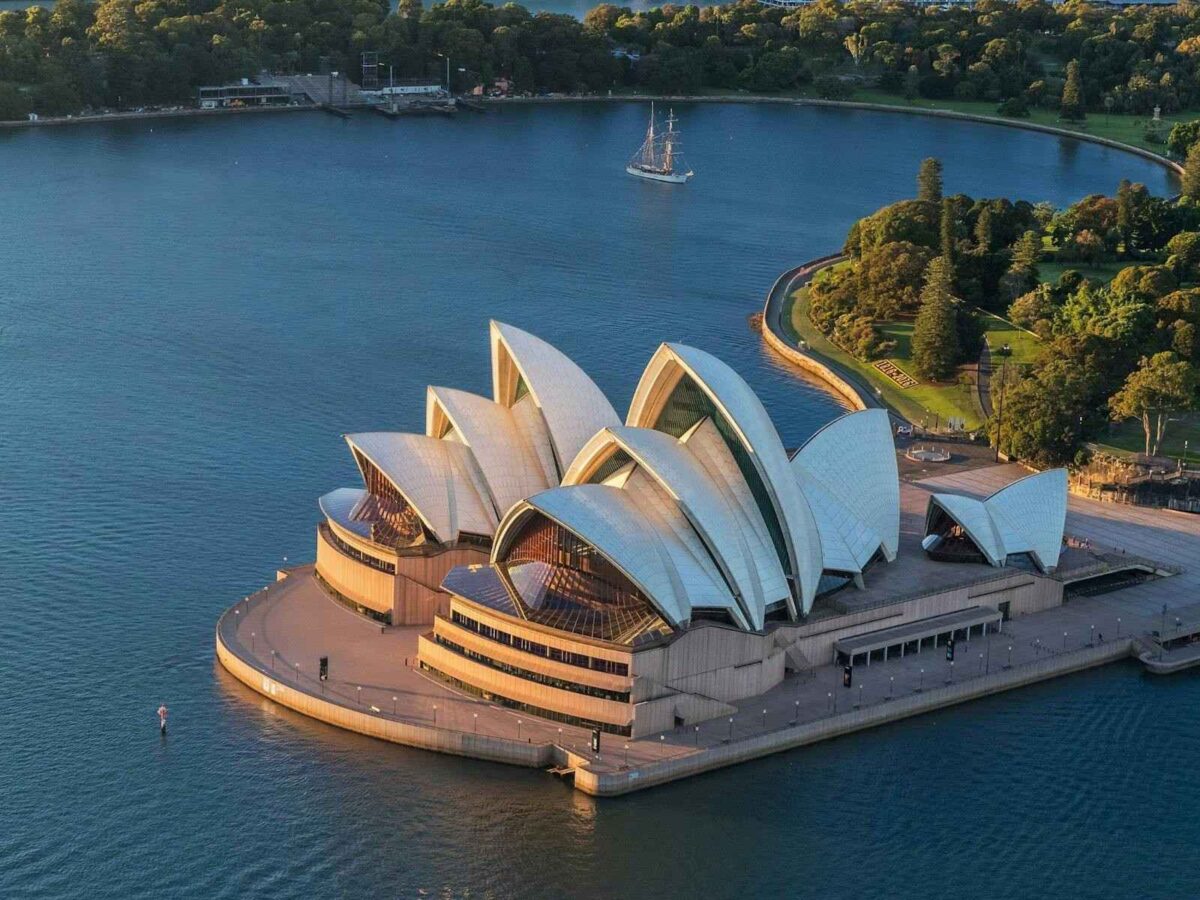
Image generated with Ai
The Padel Invitational, held in Sydney at the Sydney Opera House from August 15 to August 16, 2026, was the start of a new era of sports and event tourism in Australia. Created by Padel Australia and sponsored by UBS, the tournament brought professional players, celebrated athletes and even community players to a glass court overlooking Sydney Harbor. This is significant because this tournament combines an up and coming sport and combines it with an internationally recognized landmark. By collaborating the sport and entertainment, this event created a one of a kind weekend experience that demonstrates the potential Sydney has to offer in the tourism space through sport and cultural entertainment combined with the balancing of its economy.
Sydney combines an emerging sport with a global landmark
The Sydney Opera House became an unusual sporting arena during the inaugural Padel Invitational on 15 and 16 August 2026. Organisers installed a purpose-built glass court on the Northern Broadwalk, bringing competitive padel to the edge of Sydney Harbour.
The weekend combined professional sport, celebrity participation and community involvement. It gave padel an internationally recognisable backdrop. It also created a new experience within one of Australia’s busiest visitor precincts.
The Sydney Opera House event listing described the invitational as a new global exhibition created by Padel Australia. It presented professional padel in Australia against the dramatic setting of the Opera House.
Advertisement
Advertisement
The programme offered more than traditional match play. Australian sporting figures joined professional padel competitors and entertainment personalities. Community players also entered the court after qualifying through local competitions and nominations.
This format helped the event reach beyond established padel followers. Tennis fans could recognise former champions. Casual visitors could watch a simple and fast sport. Amateur players could see a pathway from local clubs to a nationally visible stage.
For Sydney sports and event tourism, that broad appeal is important. A destination event becomes more valuable when it can interest residents, domestic visitors and overseas travellers at the same time.
Why the Sydney Opera House location changed the story
The event could have taken place at a conventional sports centre. Instead, organisers placed it at the Sydney Opera House, a landmark strongly associated with Australia across international tourism markets.
Advertisement
Advertisement
That location turned a padel exhibition into a destination story. Photographs of the glass court also showed Sydney Harbour, the Opera House sails and the wider waterfront precinct. The city therefore became part of the event rather than a simple host.
This distinction matters in international destination marketing. A normal court can look similar in many countries. A match beside the Sydney Opera House has a clear geographical identity.
The Northern Broadwalk also sits within an established visitor network. Circular Quay, The Rocks, harbour cruises, restaurants, public transport and cultural venues are close by. Spectators can combine an event visit with sightseeing, dining or an overnight stay.
No official attendance or visitor-spending figures have been released for the invitational. It would therefore be inaccurate to claim that it produced a measured tourism windfall. Its importance lies instead in what the event demonstrated: an iconic cultural precinct can host a carefully planned sporting experience that strengthens the destination narrative.
Padel gives Sydney a fresh sports-tourism proposition
Padel is played in doubles on an enclosed court. Players use solid rackets, while the surrounding walls remain part of the action. The game is usually easier for beginners to enter than many traditional racquet sports, although advanced play can be fast and highly technical.
Its social format supports its travel potential. Couples, families, friends and corporate groups can play together. Visitors do not need to be elite athletes to take part in an introductory session.
The Ministry of Sport article cited International Padel Federation data stating that more than 35 million people play the sport across over 170 countries. It also reported a projection of more than 105 million players by 2030. These figures indicate the possible scale of the international audience, but they should not be treated as a forecast for Australian tourism or for the Sydney event.
For Sydney, padel adds variety to an already strong sporting identity. The city is known for cricket, rugby, football, tennis, sailing and major road races. An emerging sport can complement those established products without competing directly with them.
The invitational therefore offered a test of audience interest and event design. Any future tourism impact will depend on verified attendance, repeat editions, international participation, travel packages and the ability to convert spectators into longer-staying visitors.
Celebrity participation widened the event’s reach
The programme brought together international padel talent and well-known Australian sporting figures. Participants identified in the supplied event report included Ash Barty, Pat Rafter, Todd Woodbridge, Cooper Woods and Casey Dellacqua.
Their involvement helped make the competition understandable to audiences unfamiliar with padel. Tennis followers already know Barty, Rafter, Woodbridge and Dellacqua. Their presence created an entry point into the newer racquet sport.
The Celebrity 1 Point Padel format added another accessible element. Matches were determined by one decisive point. This reduced the time required to understand the contest and created an immediate sense of pressure.
Such formats can work well in busy visitor precincts. Travellers may encounter an event while exploring the city rather than arriving as committed spectators. Short contests allow them to stop, watch and understand the outcome quickly.
Celebrity participation can also expand media and social reach. However, exposure should not be confused with confirmed tourism conversion. The organisers have not released data showing how many spectators travelled to Sydney specifically for the invitational.
The credible conclusion is that prominent participants increased the event’s visibility and helped introduce padel to a wider Australian audience.
Community players gave the spectacle a local foundation
Sunday’s programme shifted attention towards community development. Regional players joined warm-up activities after earning opportunities through local club competitions and nominations.
This grassroots connection strengthened the event in several ways. It showed that the invitational was not designed solely as an elite exhibition. It also created a route from small clubs to a high-profile national venue.
Regional participation can support domestic travel when competitors, relatives, coaches and supporters visit a host city. Local qualifying events may also create movement between communities. However, the Sydney organisers have not published participant-origin data, room-night totals or regional expenditure connected with this event.
The tourism value must therefore be expressed as an opportunity rather than an established result.
Community inclusion also makes an emerging sport more relatable. Visitors are more likely to imagine trying padel when they see ordinary club players sharing a court with famous athletes.
That accessibility could eventually support introductory lessons, club visits, amateur tournaments and active-holiday packages. Those products would require cooperation among sports operators, hotels, tour companies and destination organisations.
Sydney enters the story from a position of tourism strength
The Padel Invitational arrived while Sydney was already recording substantial visitor volumes and spending.
According to the latest Destination NSW Sydney statistics, based on Tourism Research Australia’s official surveys, Sydney received 67.5 million domestic and international visitors in the year ending March 2026.
Those visitors generated 123.7 million nights and spent A$34.7 billion. The total included 63.6 million domestic visitors, while domestic visitor spending reached A$20.8 billion.
The figures show that Sydney does not rely on one type of traveller. It serves residents taking day trips, Australians making overnight journeys, international holidaymakers, people visiting relatives, business travellers and event audiences.
That scale creates a useful environment for experimental events. A temporary attraction can reach people who are already in the city while giving others a specific reason to plan a trip.
The figures do not reveal how many visitors attended the Padel Invitational. They instead establish the wider economic setting in which the event took place.
| Official Sydney indicator | Year ending March 2026 |
|---|---|
| Total domestic and international visitors | 67.5 million |
| Total visitor nights | 123.7 million |
| Total visitor expenditure | A$34.7 billion |
| Domestic visitors | 63.6 million |
| Domestic visitor expenditure | A$20.8 billion |
Source: Destination NSW, drawing on Tourism Research Australia’s Domestic Tourism Statistics and International Visitor Survey.
New South Wales records powerful visitor-economy growth
The wider New South Wales visitor economy provides another important layer of context.
Destination NSW reported 4.2 million international visitors in the year ending March 2026. They stayed for 107.8 million nights and spent A$15.2 billion across the state.
New South Wales also received 125.1 million domestic visitors. Their expenditure reached A$46.6 billion.
Earlier official results showed that total visitor expenditure had already reached A$59.4 billion in the year ending September 2025. That represented annual growth of 7.3 per cent and exceeded the state’s A$59 billion interim target more than a year ahead of schedule.
International spending reached a then-record A$14 billion during that reporting period. New South Wales welcomed four million international visitors, an annual increase of 8.4 per cent, while those travellers generated 104.2 million nights.
The state’s figures help explain why events remain strategically important. Visitors already spend heavily on accommodation, meals, local transport, shopping, attractions and entertainment. Distinctive events can add another reason to travel, extend a stay or return to the destination.
Still, statewide growth cannot be attributed to a two-day padel exhibition. The event formed one small part of a much larger visitor economy.
International tourism recovery strengthens the opportunity
International tourism is particularly relevant to padel because the sport has a broad overseas following.
In the year ending March 2026, New South Wales welcomed 4.2 million international visitors. Official Destination NSW data placed their expenditure at A$15.2 billion.
Sydney remained the state’s main international gateway and visitor hub. In the year ending September 2025, overseas visitors to Sydney spent A$12.8 billion and stayed for 86.4 million nights.
China remained an important source market for New South Wales. The United States also reached a significant spending milestone during the period, while markets including France, Vietnam, Indonesia, South Korea and the United Kingdom recorded strong spending recovery compared with 2019.
A globally played sport could help Sydney speak to several of these markets through a shared activity. That does not mean every padel player is a likely Australian visitor. Distance, flight costs, event scale and scheduling remain major considerations.
The clearer opportunity lies in combining international sporting participation with the destination itself. A future event would need enough competitive importance, advance notice and travel infrastructure to influence long-haul booking decisions.
Australia’s national visitor economy supports event development
Australia’s tourism sector recorded strong national growth before the event.
Tourism Research Australia’s annual benchmark report showed total visitor spending reached A$192.4 billion in 2025. This represented an increase of 6.5 per cent from 2024.
The National Tourism Satellite Account reported that direct tourism gross domestic product reached A$81.1 billion in 2024–25. It increased by 3.8 per cent in current prices and represented 2.9 per cent of the Australian economy.
Tourism filled 696,000 jobs during 2024–25, according to the same official account. That was 2 per cent higher than the previous financial year and 23 per cent above the 2018–19 level.
These national figures illustrate the size of the ecosystem surrounding destination events. Tourism supports accommodation, food services, aviation, transport, retail, cultural activities and recreation.
A single exhibition cannot materially explain national performance. Nevertheless, new event concepts operate inside this large economic network. When an event attracts genuine additional travel, expenditure can move through many connected businesses.
| Australian tourism indicator | Official period | Result |
|---|---|---|
| Total visitor spending | Calendar year 2025 | A$192.4 billion |
| Annual visitor-spending growth | Calendar year 2025 | 6.5% |
| Direct tourism GDP | 2024–25 | A$81.1 billion |
| Tourism share of national economy | 2024–25 | 2.9% |
| Tourism-filled jobs | 2024–25 | 696,000 |
| Annual employment growth | 2024–25 | 2.0% |
Source: Tourism Research Australia and the Australian Bureau of Statistics tourism satellite account.
The event aligns with the NSW Visitor Economy Strategy 2035
The invitational was not announced as a government tourism programme. However, its format aligns with several priorities in the state’s long-term visitor strategy.
The NSW Visitor Economy Strategy 2035 sets a target of A$91 billion in annual visitor expenditure by 2035.
The strategy aims to make it easier for more people to visit, strengthen experiences, encourage investment and develop the tourism workforce. Its published targets include 8.5 million additional airline seats, more than 40,000 new accommodation rooms and up to 150,000 additional jobs.
It also places major sporting, cultural and business events within the state’s approach to attracting visitors.
An event that joins sport with the Sydney Opera House fits the ambition to offer experiences visitors cannot easily reproduce elsewhere. Its scale remains modest compared with a World Cup or a large international tournament, but distinctiveness can be valuable as well as size.
The government strategy provides the official future framework. It does not promise a return of the Padel Invitational or identify padel as a specific tourism investment.
Aviation capacity will influence future international reach
International event tourism depends heavily on air access. Sydney’s distance from Europe and the Americas makes flight capacity, scheduling and price central to visitor decisions.
The NSW Visitor Economy Strategy 2035 says the state will need another 8.5 million airline seats to reach its growth ambitions. The published target comprises 3.7 million additional international seats and 4.8 million domestic seats.
The state has also established aviation-support mechanisms intended to encourage new and expanded services into New South Wales.
Greater capacity could benefit events by widening access and improving itinerary options. It could also support visiting athletes, production teams, sponsors and spectators.
Sydney Airport remains the primary international gateway, while Western Sydney International Airport is expected to add capacity to the metropolitan aviation system. Any connection between these developments and the Padel Invitational would be indirect. No airline has announced a padel-specific service or travel programme.
The defensible analysis is that stronger aviation access creates better conditions for Sydney’s entire event economy, including emerging sports.
Hotels could benefit from repeat and expanded editions
Accommodation is one of the most direct beneficiaries when an event generates overnight travel. Competitors, officials, sponsors, media workers and spectators may all require rooms.
The first Padel Invitational ran for two days over a weekend. That schedule could support short city breaks, particularly for domestic travellers. Visitors might arrive on Friday, attend Saturday and Sunday programmes, and leave after combining the event with other Sydney experiences.
No official accommodation data have been released for the invitational. There is no verified evidence showing its effect on occupancy, average room rates or visitor nights.
Future editions would create stronger hotel opportunities if organisers announced dates well in advance and developed ticket-and-stay products. Premium hotels could serve corporate and international guests. Mid-range properties and hostels could support amateur players and younger spectators.
The NSW strategy’s target of more than 40,000 additional accommodation rooms recognises that long-term visitor growth will require more supply. Event development and hotel investment must progress together if Sydney wants to convert attention into overnight expenditure.
Airlines and airports gain from genuine travel demand
A successful international sports event can support air travel when it attracts participants and fans who would not otherwise visit. Domestic competitions can also generate interstate journeys.
For airlines, the strongest opportunity would come from a predictable annual schedule. Early dates allow carriers and travel sellers to market fares, while clubs can organise group bookings.
Airports benefit when event travel increases passenger volumes. Ground transport providers may gain as visitors move between terminals, hotels and venues.
The inaugural invitational does not yet provide evidence of such demand. Organisers have not disclosed how many participants or spectators flew to Sydney.
This distinction protects newsroom credibility. An event may have tourism potential without having produced a measurable aviation impact.
If future editions grow, organisers could assess visitor origin, length of stay, transport mode and booking motivation. Such data would show whether the event creates new journeys or mainly entertains residents and travellers already in Sydney.
Tour operators can combine sport with established attractions
The Opera House location makes the invitational suitable for itinerary building.
A visitor could attend a morning or afternoon session before taking a harbour cruise, exploring The Rocks, joining an Opera House tour or dining around Circular Quay. Longer itineraries could include Bondi, the Blue Mountains, Western Sydney or regional New South Wales.
Tour operators could eventually build packages for international padel clubs or amateur groups. These might include coaching, local competitions, event admission and sightseeing.
Such products have not been officially announced. They represent a commercial pathway rather than a current offering.
The strongest packages would avoid treating the sport and destination as separate products. Visitors could play in local clubs, watch professionals and experience Sydney’s cultural and natural attractions during one trip.
This approach may also extend stays. A visitor who travels only for a two-day event may leave quickly. A structured itinerary can spread spending across more days and businesses.
Local businesses can share the visitor opportunity
The Opera House precinct connects the event with cafés, restaurants, bars, retailers and transport services.
Additional footfall may support these businesses, particularly when visitors arrive early or remain in the area after the programme. An event can also encourage people to explore nearby neighbourhoods.
However, increased footfall is not the same as measured economic benefit. No official sales or transaction data have been published for local businesses during the Padel Invitational.
Future impact studies could assess spending outside the venue, visitor origin and displacement. Displacement occurs when event crowds replace customers who would otherwise have visited the area. A complete assessment must consider both additional activity and potential disruption.
For small businesses, advance information is crucial. Published schedules allow restaurants to plan staffing, hotels to manage inventory and transport providers to prepare for demand.
A coordinated local programme could distribute activity beyond the immediate court and help the wider precinct participate in the event.
The Opera House gains a new layer of visitor experience
Image generated with Ai
The Sydney Opera House is both a working performing-arts centre and a major tourism landmark. Using part of its external precinct for padel added another layer without changing its core cultural role.
This kind of temporary activation can refresh a mature destination. First-time visitors receive an unexpected experience. Returning travellers gain a reason to see a familiar landmark differently. Residents may also re-engage with a place they already know.
Temporary events offer flexibility. Organisers can test new formats without constructing a permanent attraction. They can also create urgency because the experience lasts for a limited period.
Careful management remains essential. The venue must protect heritage, maintain public access, manage noise and crowd movement, and safeguard the experience of other visitors.
The event’s official Opera House listing said the Northern Broadwalk is accessible from Circular Quay by walking and through public transport connections. That central access supports attendance without requiring a remote purpose-built stadium.
Sports tourism can connect culture, place and participation
The Padel Invitational did more than place a court near a landmark. It connected three visitor motivations.
The first was sport. Audiences could watch recognised athletes and professional players in an emerging discipline.
The second was place. The harbour and Opera House gave the event a destination identity.
The third was participation. Community players could enter the experience rather than remain outside it.
This combination is useful because modern travellers often seek active and memorable experiences. They want stories they can share, not simply sights they can photograph.
Participation can be especially powerful. A traveller who plays a sport in Sydney may form a deeper connection with the destination than someone who only watches.
The invitational did not yet offer a published tourism package built around participation. Still, the community programme showed how a future event could link local clubs, regional qualifiers and visitor sessions.
Accessibility helps padel fit family and group travel
Padel’s doubles format can suit groups. It encourages social interaction and allows four people to participate at once.
The Sydney Opera House promoted the invitational as suitable for all ages. That positioning widened its potential audience beyond committed sports fans.
Families could combine the programme with harbour sightseeing and nearby attractions. Corporate groups could use padel as a team activity. Friends could add an introductory session to a city break.
The Celebrity 1 Point Padel competition also made the sport easier for casual spectators to understand. A one-point result offers a clear and immediate narrative.
Accessibility should not be overstated. Court availability, equipment, coaching and physical ability can still influence participation. Tourism operators would need inclusive formats, clear safety information and suitable sessions for beginners.
Nevertheless, a social sport with a low entry barrier can support active tourism, wellness travel and group itineraries more naturally than an activity requiring advanced training.
Corporate backing opens a business-events dimension
UBS presented the inaugural exhibition. Corporate involvement provided the event with a business and hospitality dimension alongside its sporting programme.
Sponsored events can attract clients, executives and professional networks. Some visitors may combine meetings with leisure, creating so-called bleisure travel.
Sydney already competes for conferences, incentives and corporate events. A distinctive activity beside the Opera House can enrich those programmes.
Possible formats include private viewing, beginner clinics, networking sessions and hospitality. None should be presented as confirmed Padel Invitational products unless officially announced.
Corporate backing can also improve production quality and media exposure. In return, sponsors gain association with sport, innovation and an iconic destination.
The long-term value depends on balance. Public engagement and community access remain important when a major visitor precinct hosts a sponsored event. The inaugural programme’s inclusion of regional community players helped maintain that wider connection.
Sustainability must shape any future expansion
A temporary court at a high-profile waterfront venue raises practical sustainability questions.
Future organisers would need to consider materials, transport, energy, waste, food service and the reuse of event infrastructure. Public transport access can reduce reliance on private vehicles, particularly because Circular Quay connects trains, ferries, buses and light rail.
Event growth should also avoid unnecessary pressure on the harbour precinct. Crowd management and timed entry can protect visitor movement. Reusable installations can reduce construction waste. Local procurement may retain more economic value within the destination.
The supplied event report did not provide verified environmental metrics for the invitational. It would therefore be wrong to label the event sustainable without supporting evidence.
New South Wales has placed sustainable visitor-economy growth within its long-term strategy. Any repeat edition seeking a lasting tourism role would benefit from publishing measurable environmental and social outcomes.
What international travellers need to know
The inaugural Padel Invitational has already concluded. It took place on 15 and 16 August 2026 at the Northern Broadwalk of the Sydney Opera House.
No future edition had been confirmed in the official material reviewed for this article. Travellers should not make plans on the assumption that the event will automatically return.
Visitors interested in similar events should check the official Sydney Opera House programme and organiser announcements before booking flights or hotels.
The Opera House is at Bennelong Point. It is a short walk from Circular Quay and can be reached using train, ferry, bus and light-rail connections. Travellers should check current transport information before attending any future waterfront event.
International visitors must also review Australia’s entry requirements through official government channels. Visa rules depend on nationality and travel purpose.
The key practical point is simple: wait for confirmed dates, venue information and ticket conditions before arranging an event-led journey.
What the event means for Sydney’s tourism brand
The invitational gave Sydney a compact but visually powerful destination story.
It presented Australia as willing to stage new international sports in unexpected places. It also showed that an established cultural landmark can support a carefully limited event without becoming a conventional stadium.
For destination marketers, the combination creates strong editorial imagery. The sport supplies movement and human interest. The Opera House supplies instant recognition. Sydney Harbour completes the sense of place.
This content can reach audiences who may not actively search for a holiday advertisement. Sports coverage, athlete profiles and social posts can expose the destination through the event itself.
The effect on actual bookings remains unmeasured. Media reach must not be reported as equivalent to tourism demand.
Even so, brand-building has value. Travellers often develop destination awareness long before they purchase a trip. A memorable image can contribute to that process, especially when it links a familiar landmark with a new experience.
Future growth must follow published plans and evidence
The confirmed future framework comes from the NSW Visitor Economy Strategy 2035 rather than from the Padel Invitational itself.
New South Wales intends to pursue A$91 billion in annual visitor expenditure by 2035. It also plans to support more airline capacity, accommodation investment and tourism employment.
Events will remain part of that visitor-economy approach. However, there is no official target for padel tourism and no confirmed annual series in the sources reviewed.
A credible future assessment therefore depends on evidence. Organisers would need to publish dates, ticket numbers, visitor origins, overnight stays and expenditure. Repeat editions would show whether the concept can build loyalty.
Participation data could reveal whether the event strengthens local clubs. Environmental reporting could show whether temporary infrastructure is managed responsibly. Business surveys could assess benefits beyond the venue.
Until those figures emerge, the Padel Invitational should be understood as a promising destination-event model, not a proven tourism transformation.
Why Australia’s padel spectacle matters
The importance of the event lies in its combination of global ambition and local access.
Professional players received an iconic Australian platform. Famous athletes introduced the sport to mainstream audiences. Regional competitors gained direct involvement. Visitors encountered a fresh experience in an established tourism precinct.
This mix supports the principles behind successful sports and event tourism. The attraction is not only the match. It is the destination, atmosphere, participation and story around it.
Sydney already possesses strong aviation access, extensive accommodation, famous attractions and a large visitor economy. The challenge is to keep those assets fresh and relevant.
The glass court on the Northern Broadwalk offered one response. It did not transform tourism performance by itself. It showed how imaginative programming can give travellers another way to experience the city.
That is the most credible meaning of a “new era”: not an instant economic revolution, but a broader approach to using sport, culture and place together.
Conclusion
The recent Padel Invitational tournament, held in Australia’s Sydney Opera House and using specially commissioned glass courts, illustrates how a viable sporting showcase can add appeal to an internationally known tourist destination. Using elite athletes, celebrities and community players, the tournament displays the sport to a variety of audiences. Visitors have the chance to experience a new sport and activity. Though the세 tournament organizers have not revealed attendance or spending numbers, for the medium and long-term the event is likely to fulfill New South Wales objectives around compelling events, better air connections and increased spending by tourists.The most important outcome of the tournament is a successful model integrating sport, culture, participation of community and the story of the destination.
Advertisement
Advertisement