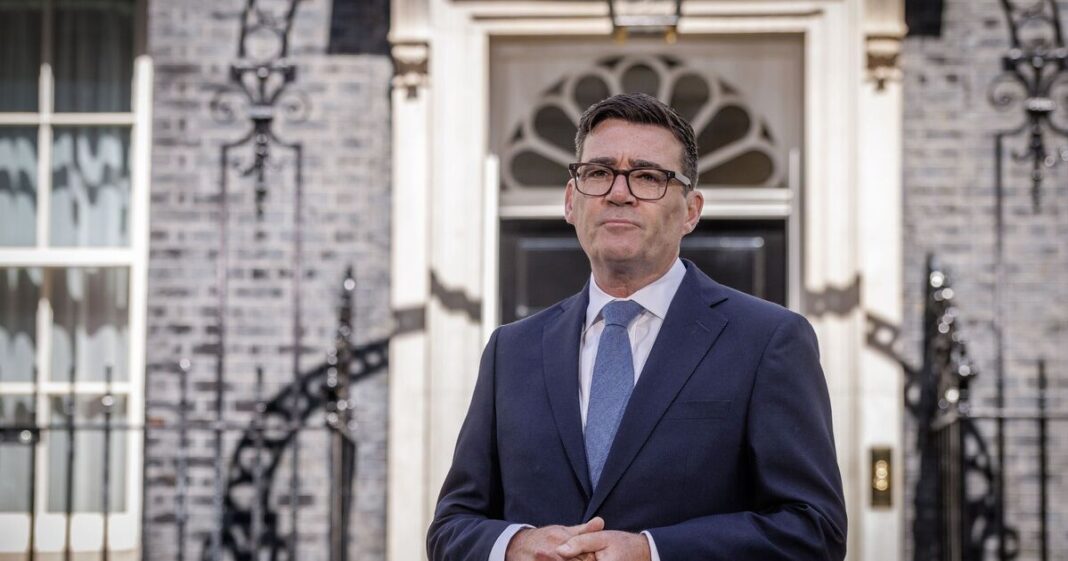

Andy Burnham said the Budget will focus on the cost of living (Image: Getty)
Prime Minister Andy Burnham has refused to rule out tax rises in the Autumn Budget. The prime minister said he would take a “careful approach” to the economy, and defended his previously announced cost of living pledges as funded spending commitments.
But questions remain over how major policies such as social care reforms will be funded, as experts have previously warned that he and Chancellor John Healey will have little financial room to manoeuvre in their first Budget on October 28. Michele Tieghi, financial expert and founder of comparison website, psyfi money, has commented on what he thinks is the actual likelihood of tax rises being put into action.

Chancellor John Healey will have little room to manoeuvre in the first Budget, experts say (Image: Getty)
Income tax, national insurance, and VAT rises: Unlikely
Tieghi said: “Labour have repeatedly committed not to raise income tax, national insurance rates, or VAT, so it would be a huge shock for them to do so; for this reason, these remain unlikely.
“However, it’s very likely that Andy Burnham’s government will find ways of getting around this. Freezing thresholds, personal allowances, and reducing allowances for higher earners will allow fiscal drag to become a major source of extra revenue.”
Capital gains and inheritance tax rises: Likely
He continued: “Changes to capital gains and inheritance tax remain much more of a possibility, with this having been frequently discussed by experts in the past as an easy way to raise revenue.
“For capital gains tax, they could reduce exemptions, increase rates, restrict Business Asset Disposal Relief, and alter reliefs for entrepreneurs.
“Whereas when it comes to inheritance tax, Andy Burnham’s government could tighten trust rules, alter gifting exemptions, reduce reliefs, and increase compliance.”
Wealth tax rise: Unlikely
“A wealth tax has been a hot topic in recent months, but this remains unlikely due to how difficult it would be politically and practically to implement.
“This can be done by taxing income above a certain level of wealth, for example, an annual tax of two per cent on wealth above £10 million.
“However, critics say that it is difficult to implement due to complex administration around how assets are valued, and that the tax itself often brings in less than expected.
“For example, Scotland raised its top income tax rate to 48% for high earners, and recent data has shown this collected £22 million less than expected.
“Not only this, but there are also fears that a wealth tax could drive away potential investors, during a time where young people are finding it difficult to find employment.”
Taxing savings: Unlikely
“There’s also been talk around taxing savings; however, this will be unpopular with many, so it wouldn’t be the top choice for the Labour government.
“In theory, they could reduce the personal savings allowance, lower starting rates for savings, and increase taxation on investment income, which would hit pensioners, middle-income families, and cautious savers the hardest.”