Netherlands, United States, Japan And More Among 94 Visa Free Travel Countries as of October 2026, whose citizens do not need to apply for a visa to enter Romania. With a visa exemption agreement, it becomes easier for tourists to have an enjoyable weekend or spend their holidays exploring Romania’s ancient castles, beautiful landscapes, and vibrant cities. The country is located in Southeast Europe, with Bucharest being its capital. Romania was occupied by the Soviet Union in 1944 and formally became a Soviet satellite state in 1948. Communist regime came to power in 1989 when the government of Nicolae Ceaușescu was overthrown. The first free elections were held in 1990, and Romania shifted towards a democratic and liberal market economy. It joined NATO in 2004 and the EU in 2007.
Romania Tourism: Foreign Arrivals Rise 10.8%
Romania recorded 1,851,200 foreign tourist arrivals between January and August 2026, a 10.8% increase compared with the same period in 2025, according to National Institute of Statistics (INS) figures cited in the report. Total tourist arrivals, including domestic and international visitors, reached 9,756,400, up 0.7% year on year. Domestic arrivals fell 1.4% to 7,905,200, while rising foreign arrivals helped lift the overall total. International visitors also generated 3,804,200 overnight stays, an increase of 10.4% compared with the first eight months of 2025.
Romania’s 2026 Economic Outlook
Romania’s economy is expected to shrink by 0.5% in 2026, according to the IMF’s October forecast. The Fund estimates the country’s nominal GDP at US$470.1 billion, with nominal GDP per person reaching approximately US$24,740. Unemployment is projected at 6.5%, while the general government deficit is forecast to stand at 6.2% of GDP. The outlook remains under pressure from high energy costs, weaker household spending and measures to reduce the budget deficit, factors highlighted in the European Commission’s May 2026 assessment.
Romania Unlocks Easier Travel With Visa-Free Entry for Visitors From 94 Countries:
| Sl. No. | Country / Territory | Sl. No. | Country / Territory |
|---|---|---|---|
| 1 | France | 48 | Argentina |
| 2 | Germany | 49 | Barbados |
| 3 | Italy | 50 | Brazil |
| 4 | Luxembourg | 51 | Uruguay |
| 5 | Netherlands | 52 | The Bahamas |
| 6 | Norway | 53 | Palau Islands |
| 7 | Spain | 54 | Peru |
| 8 | Switzerland | 55 | Marshall Islands |
| 9 | Singapore | 56 | Micronesia |
| 10 | Ireland | 57 | Mauritius |
| 11 | Malta | 58 | Seychelles |
| 12 | United Kingdom | 59 | Serbia |
| 13 | Austria | 60 | Grenada |
| 14 | Greece | 61 | Montenegro |
| 15 | Portugal | 62 | Antigua and Barbuda |
| 16 | New Zealand | 63 | Hong Kong |
| 17 | Iceland | 64 | North Macedonia |
| 18 | Liechtenstein | 65 | Bosnia and Herzegovina |
| 19 | Monaco | 66 | Albania |
| 20 | Chile | 67 | Dominica |
| 21 | Hungary | 68 | Solomon Islands |
| 22 | Poland | 69 | Georgia |
| 23 | Croatia | 70 | Tonga |
| 24 | Slovakia | 71 | Macao |
| 25 | Slovenia | 72 | Panama |
| 26 | Latvia | 73 | Paraguay |
| 27 | Estonia | 74 | Costa Rica |
| 28 | Australia | 75 | Mexico |
| 29 | San Marino | 76 | Vatican City |
| 30 | Canada | 77 | Guatemala |
| 31 | Brunei | 78 | St. Vincent and the Grenadines |
| 32 | Taiwan | 79 | St. Kitts and Nevis |
| 33 | Czechia | 80 | Thailand |
| 34 | Lithuania | 81 | El Salvador |
| 35 | United States | 82 | Honduras |
| 36 | Israel | 83 | Colombia |
| 37 | United Arab Emirates | 84 | Ukraine |
| 38 | Bulgaria | 85 | Samoa |
| 39 | South Korea | 86 | Trinidad and Tobago |
| 40 | Japan | 87 | Venezuela |
| 41 | Andorra | 88 | Nicaragua |
| 42 | Sweden | 89 | St. Lucia |
| 43 | Belgium | 90 | Tuvalu |
| 44 | Denmark | 91 | Moldova |
| 45 | Finland | 92 | Kiribati |
| 46 | Malaysia | 93 | Kosovo |
| 47 | Cyprus | 94 | Timor-Leste |
TTW Founder and Editor-in-Chief, Mr. Anup Kumar Keshan, Says: “Romania’s visa-free access for eligible visitors from 94 countries as of October 2026, including Canada, the UAE and Australia, can support the country’s wider tourism ambitions. Simpler entry can reduce paperwork and encourage more travellers to consider Romania for city breaks, cultural visits and nature holidays. Bucharest, historic towns, castles and mountain landscapes give international visitors varied reasons to explore the country. Greater visitor interest can also create opportunities for hotels, tour operators, guides and local businesses, helping tourism spending reach more communities. The next step is to turn easier access into rewarding visitor experiences through clear travel information, reliable services and well organised journeys. Romania’s cultural heritage and natural attractions provide a strong foundation for this effort. By connecting these strengths with practical travel opportunities, the country can build greater international awareness and support lasting growth across its tourism sector.”
Advertisement
Advertisement
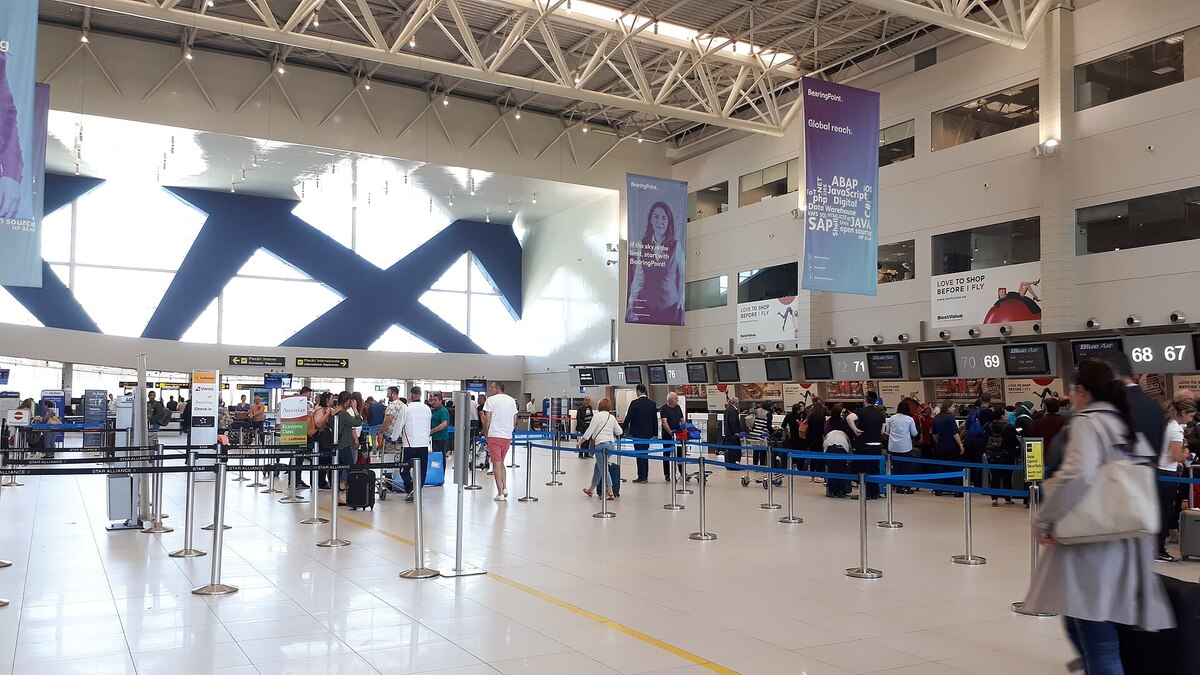
Five Airports Supporting Romania Tourism
| Airport | IATA code | City served | Location, transport and tourism relevance |
|---|---|---|---|
| Henri Coandă International Airport | OTP | Bucharest | Located in Otopeni, approximately 16.5 km north of central Bucharest, this airport provides access to Romania’s capital. CFR Călători operates direct trains between the airport and București Nord railway station, with a published journey time of around 20–25 minutes. This connection makes the airport a practical starting point for a Bucharest city break or an itinerary involving onward rail travel. |
| Avram Iancu Cluj International Airport | CLJ | Cluj-Napoca | This airport serves Cluj-Napoca and provides access to Transylvania. Its official passenger information lists public transport routes A1E, 5 and 8, with an approximate journey time of 26 minutes to the central area. These connections can help visitors begin with a stay in Cluj-Napoca before continuing on a regional holiday. The airport also provides information on taxis and car hire for travellers planning onward journeys. |
| Iași International Airport | IAS | Iași | The airport connects visitors with Iași through express bus 50, which runs between the terminal and the city’s central railway station. Airport-to-city stops include Târgu Cucu and Piața Independenței. The public transport operator lists departures every 30 minutes, around the clock. This gives visitors a public transport option for reaching central districts and connecting with other city services. Tickets are available through 24Pay and the ticket machine at the airport stop. |
| Timișoara Traian Vuia International Airport | TSR | Timișoara | Situated approximately 12 km northeast of Timișoara, the airport provides access to the city and western Romania. Road access is available via the E70. The airport lists the E4 express bus for journeys to the city centre and E4b for connections with the central railway station. These links can support city stays in Timișoara and onward travel through the surrounding region. |
| Sibiu International Airport | SBZ | Sibiu | The airport’s visitor information places it approximately 5 km from Sibiu’s old town, making it a useful arrival point for visits to southern Transylvania. Its location can support holidays combining Sibiu’s historic centre with the region’s natural attractions. Public transport options listed by the airport include routes 11, 112, 116, 117 and 118. An Aeroport Terminal bus stop is available outside the arrivals area, while designated taxis operate nearby. |
Five Romanian Airlines and Their Role in Travel and Tourism:
| No. | Airline | Expanded profile and tourism relevance |
|---|---|---|
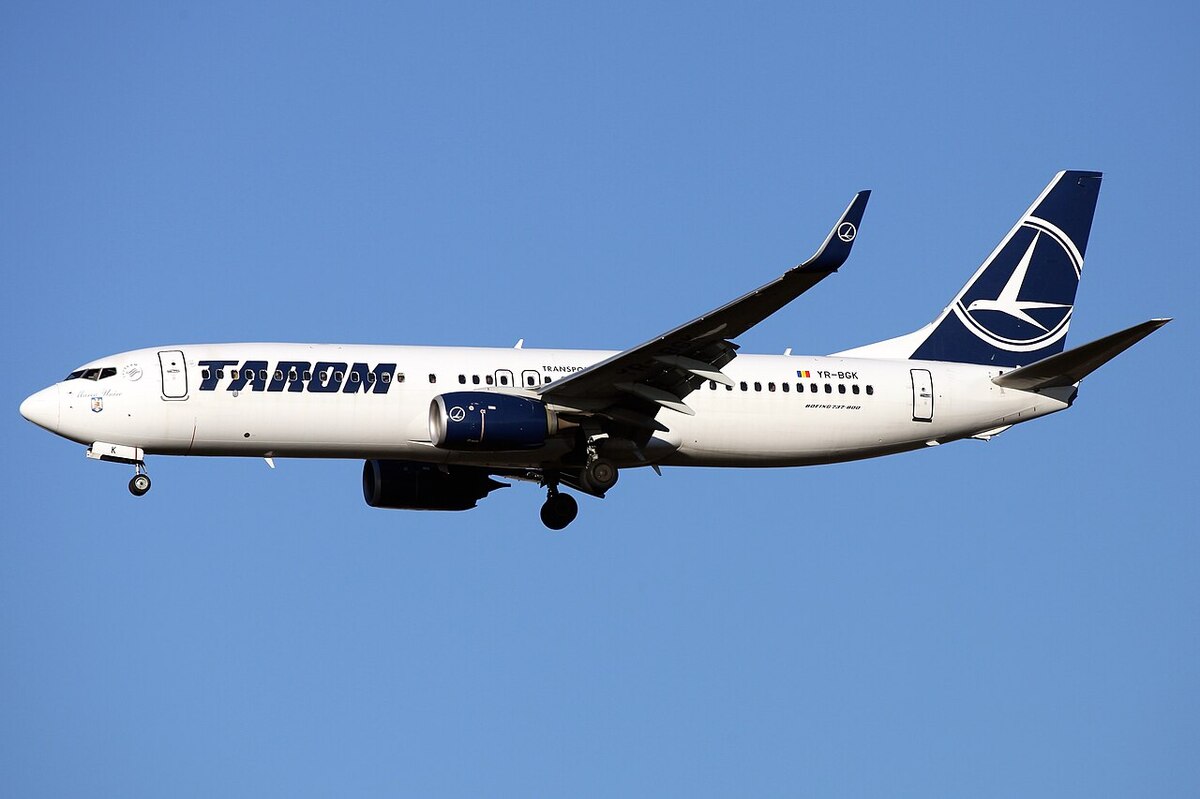
| 1 | TAROM | Established in 1954, TAROM is Romania’s national airline and operates under the Ministry of Transportation. It joined the SkyTeam alliance on 25 June 2010 and works with codeshare partners. These partnerships broaden the connections available to passengers beyond the destinations served directly by TAROM. For visitors planning trips to Romania, this can provide more ways to combine services into an international itinerary. Its role includes both its own passenger operations and connections available through partner airlines. |
| 2 | HiSky Europe | HiSky Europe holds a Romanian air operator certificate and operates under the HiSky brand. The brand began passenger services in 2021 and offers both scheduled and charter travel, with Bucharest and Cluj-Napoca among its operating bases. Its services cover domestic and international journeys. This mix can accommodate independent holidays, organised trips and business travel. The company also identifies partnerships with tour operators as part of its approach, giving its charter services a role in holiday planning and distribution. |
| 3 | AnimaWings | Based in Bucharest, AnimaWings entered the Romanian market in 2020. It identifies itself as a wholly Romanian company within the Memento Group. The airline operates domestic and international services, combining scheduled journeys with charter travel. This service mix allows it to address individual passenger bookings and organised holiday programmes. Its relevance to tourism therefore includes transport for travellers arranging their own itineraries and services that can form part of holidays sold through travel businesses. |
| 4 | DAN AIR | Founded in 2017 as Just Us Air, the company initially operated services for other airlines through ACMI arrangements, which provide aircraft, crew, maintenance and insurance. It later adopted the DAN AIR name and introduced scheduled passenger services under its own brand on 15 June 2023. This marked a change in its commercial role: alongside its background in serving airline partners, it began offering journeys directly under its own identity. That history distinguishes its development within Romania’s passenger travel market. |
| 5 | Carpatair | Founded in 1999 and headquartered in Timișoara, Carpatair specialises in charter and wet-lease services. Its charter customers include tour operators, brokers and organised groups. It also supplies operating capacity to other airlines, helping partners manage seasonal requirements or temporary capacity gaps. For tourism businesses, its services can support group transport, holiday programmes and additional passenger capacity. Its role therefore extends across direct charter arrangements and operations delivered on behalf of airline partners. |
Five Hotels in Romania
1. JW Marriott Bucharest Grand Hotel, Bucharest
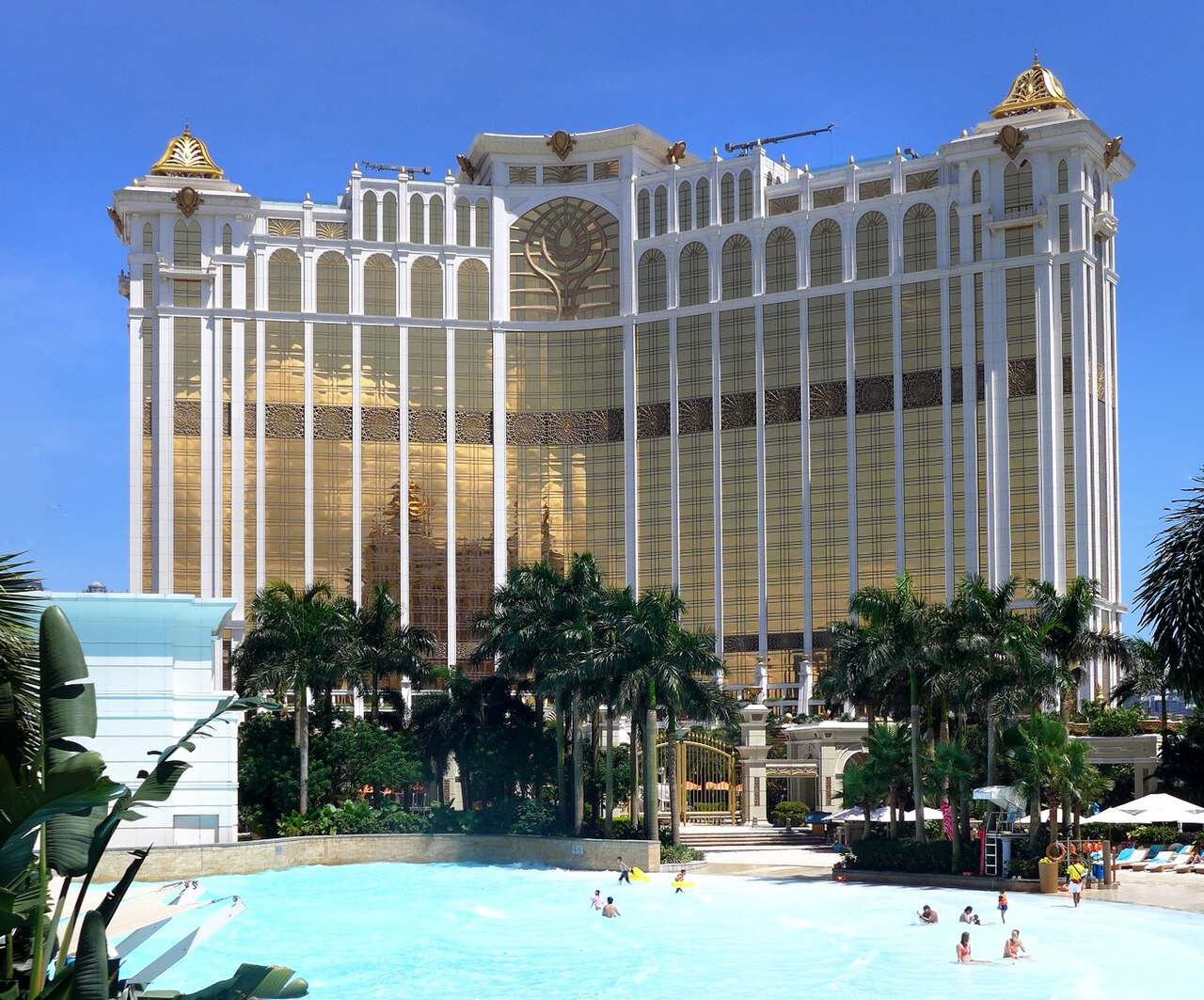
JW Marriott Bucharest Grand Hotel stands near the Palace of Parliament in Romania’s capital. It offers rooms and suites, an indoor swimming pool, a spa and a fitness centre. Meeting rooms and ballrooms also support business events. Its location provides a base for exploring Bucharest’s architecture and major landmarks.
2. InterContinental Athénée Palace Bucharest, Bucharest
InterContinental Athénée Palace Bucharest combines more than a century of hotel history with modern facilities. It overlooks Revolution Square, near the Romanian Athenaeum and Royal Palace. Guests can use an indoor pool, a spa and a fitness centre. Its central setting puts several of Bucharest’s cultural attractions close by.
Advertisement
Advertisement
3. Radisson Blu Hotel, Cluj, Cluj-Napoca
Radisson Blu Hotel, Cluj sits beside Central Park, close to Cluj Arena and BT Arena. The hotel has 169 rooms and suites, meeting spaces and a fitness room on the ninth floor. Its location makes it a practical option for travellers visiting Cluj-Napoca for sightseeing, sporting events or business meetings.
4. Hilton Sibiu, Sibiu
Hilton Sibiu offers a green setting near Dumbrava Forest, with the ASTRA Museum and Sibiu Zoo nearby. Rooms feature private balconies with forest views. Facilities include an indoor swimming pool, a spa, a fitness centre and meeting rooms. The hotel sits outside the historic centre, which guests can reach by car.
Advertisement
Advertisement
5. Teleferic Grand Hotel, Poiana Brașov
Teleferic Grand Hotel stands at the foot of Mount Postăvaru, beside the ski slopes and near the cable car in Poiana Brașov. It offers rooms, suites and a spa and wellness centre. The surrounding area provides access to winter skiing and summer walking trails, making the hotel an option for mountain holidays.
Romania City Guide:
Romania blends rugged mountains, rolling hills and historic towns with the energy of a lively capital. Stone churches and magnificent monasteries dot its unspoilt countryside, adding character to the sweeping scenery. In Transylvania, towns retain the charm of a bygone age, inviting travellers to slow down and explore streets steeped in history. Bucharest brings a faster rhythm, with bustling streets and vibrant urban life. Whether exploring peaceful rural landscapes, admiring religious architecture or discovering the capital, visitors can experience the nature, heritage and city life that give Romania its distinctive appeal.
Five Must-Visit Attractions in Romania:
1. Palace of Parliament, Bucharest
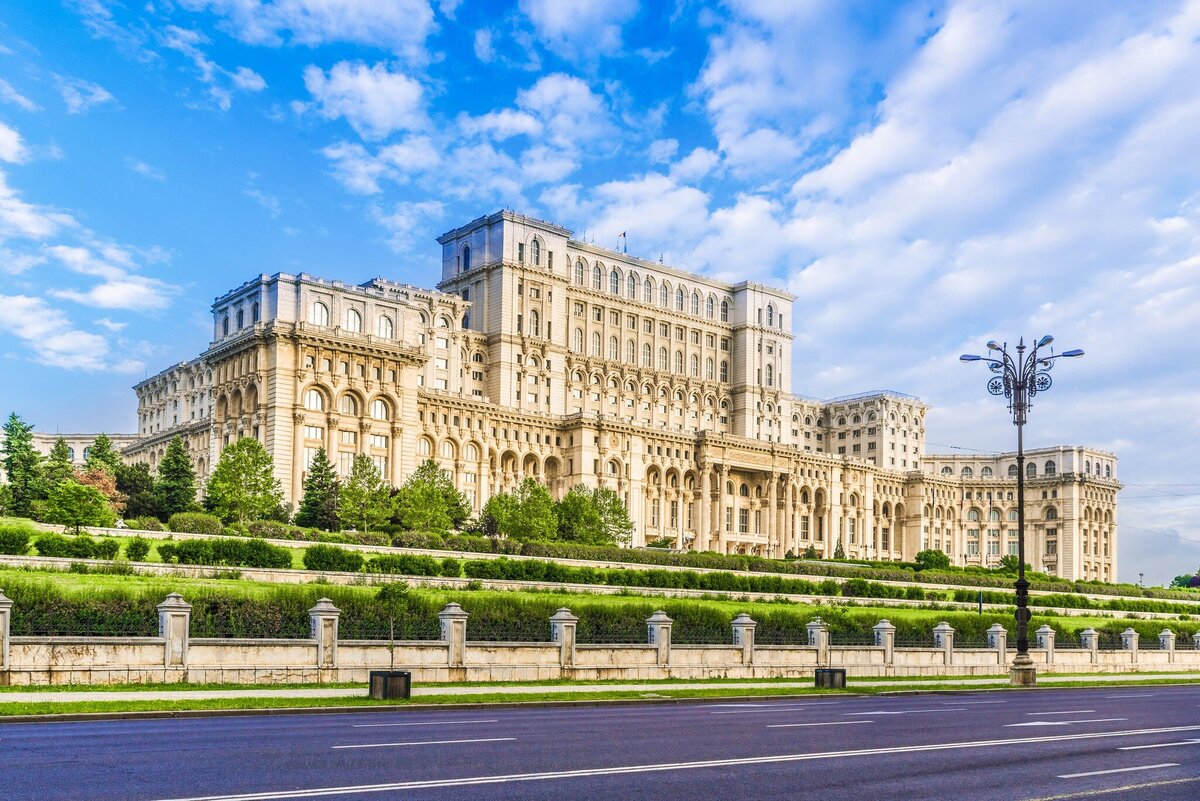
The Palace of Parliament dominates Bucharest with its vast size and imposing design. Begun in 1984 under Nicolae Ceaușescu, it remains a powerful reminder of Romania’s communist era. Grand halls, sweeping corridors and elaborate interiors reveal the scale of the project. The building now houses Romania’s parliament and other state institutions. Guided tours take visitors through selected areas, offering insight into its architecture and complex past. Book ahead and carry an original, valid passport or identity card. Arrive 15 minutes before your tour to complete entry checks. This landmark rewards travellers who want to understand the capital’s recent political history.
2. Alba Carolina Citadel, Alba Iulia
Alba Carolina Citadel brings centuries of Romanian history together in the heart of Alba Iulia. Built mainly between 1715 and 1738, its star-shaped defences surround grand gateways, churches, museums and broad walking routes. Visit Union Hall, where delegates proclaimed Transylvania’s union with Romania on 1 December 1918. Nearby, the National Union Museum, St Michael’s Cathedral and Coronation Cathedral reveal different chapters of the city’s past. Roman remains add another layer at the Principia Museum. Allow a full day to explore the monuments, admire the carved gates and pause in the cafés scattered around this historic quarter. Museum admission charges apply.
Advertisement
Advertisement
3. Corvin Castle, Hunedoara
Corvin Castle rises above Hunedoara with pointed towers, a dramatic entrance bridge and a striking stone courtyard. Developed from an earlier fortress, it grew into a grand residence under John Hunyadi, with later additions reflecting changing tastes and defensive needs. Inside, the Knights’ Hall, Diet Hall and chapel reveal its Gothic character. The castle well also carries a famous legend about Ottoman prisoners and a broken promise of freedom. Visitors can explore the complex independently, with guided services available. Check current opening hours and ticket options before travelling. Wear comfortable shoes for the uneven stone surfaces and historic stairways throughout.
4. Former Ceaușescu Residence, Bucharest
The Former Ceaușescu Residence offers an intimate view of life inside Romania’s former ruling family. Also known as the Spring Palace, this Bucharest villa housed Nicolae and Elena Ceaușescu and their three children from 1965 to 1989. Its richly decorated rooms display elaborate woodwork, paintings, handmade tapestries and colourful mosaics. The family bedrooms, private cinema, swimming pool and garden reveal the comforts behind its discreet exterior. A guided visit explores the household’s private world and helps place its lavish surroundings in historical context. Tours run in Romanian and English. Reserve ahead to secure a place at this revealing historic house.
5. Romanian Athenaeum, Bucharest
The Romanian Athenaeum stands among Bucharest’s most distinctive cultural landmarks. Inaugurated in 1888, this elegant concert hall combines classical columns, a grand dome and richly decorated interiors. Inside, a sweeping fresco presents scenes from Romanian history around the main auditorium. The building remains home to the George Enescu Philharmonic, giving music lovers a memorable setting for live performances. Visitors can also explore outside concert and rehearsal hours, subject to the published timetable. Guided tours in Romanian or English require advance arrangements. Check the official programme before visiting, whether you plan to attend a concert or simply admire its remarkable architecture.
Verified by Rana Pratap