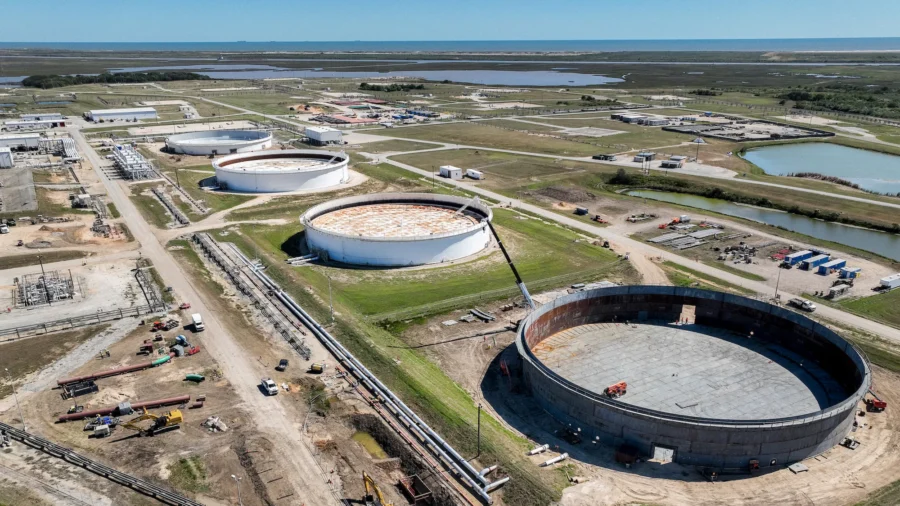
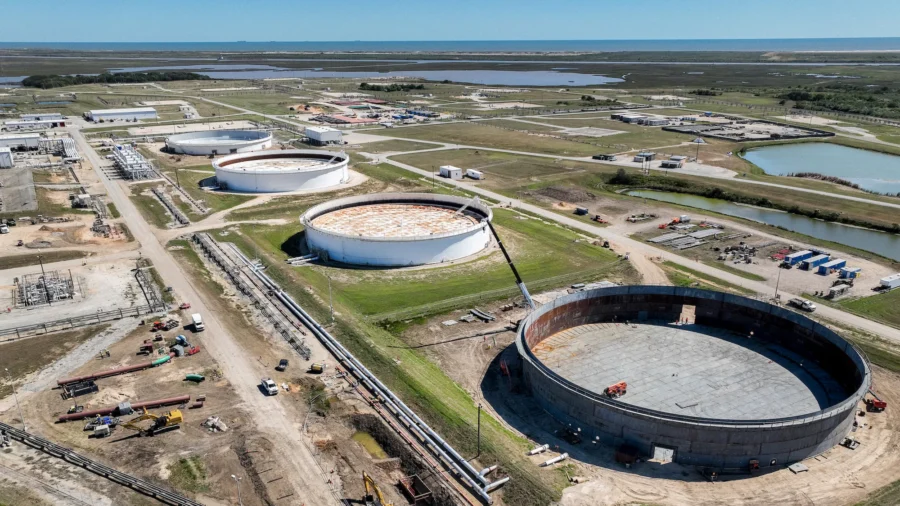
Federal officials authorized the release of up to 400,000 barrels of crude oil from the Strategic Petroleum Reserve to address a supply disruption affecting a Louisiana refinery.
The Energy Department’s emergency exchange, described in an Oct. 23 news release, will provide oil to the Phillips 66 Lake Charles Refinery in exchange for an equal amount plus premium barrels, helping to strengthen the nation’s stockpile of crude oil stored in underground salt caverns along the Gulf Coast in Texas and Louisiana.
“With this exchange, the Energy Department is taking definitive action to support refinery operations, maintain stable fuel supplies, and ensure all Americans continue to have access to the affordable, reliable, and secure energy they rely on every day,” said Under Secretary of Energy Kyle Haustveit.
The deal will let the refinery continue fuel production for Louisiana and surrounding markets, the statement said. The cause of the refinery’s supply disruption was not specified, but an exchange earlier this month was blamed on Hurricane Isaias.
The department will continue working with industry partners to help ensure stability across the fuel supply chain, the statement said.
Recent SPR Exchanges
The exchange marks the latest tapping of the nation’s reserve to shore up supplies and rein in fuel prices.
Hurricane Isaias made landfall near Destin, Florida, on Oct. 9 and swept through the region. The storm disrupted offshore energy operations in the Gulf, forcing producers to halt roughly 70 percent of their daily output before the hurricane’s arrival.
The release was an exchange under which BP America and ExxonMobil each received up to 2 million barrels. The companies must return the crude oil plus additional barrels next year.
In September, the United States offered to loan companies as much as 40 million barrels from the Strategic Petroleum Reserve. That offer completed the 172 million barrels the country had pledged in March to help ease oil prices after the Iran war began.
The SPR held more than 282 million barrels as of Oct . 16, data from the U.S. Energy Information Administration show. The total sits far below the reserve’s authorized capacity of 727 million barrels.
Stocks fell sharply during the Biden administration, declining from about 638 million barrels to roughly 394 million barrels, as the United States sought to stabilize world markets after Russia’s invasion of Ukraine. A modest increase followed after the Trump administration took office. The outbreak of the U.S.–Iran war in late February then pulled the reserve lower amid supply disruptions and higher prices.
In March, the Energy Department said it would release 172 million barrels from the reserve. President Donald Trump stated at the time that the action was intended to ease rising gasoline prices. The reserve held roughly 415 million barrels that month.