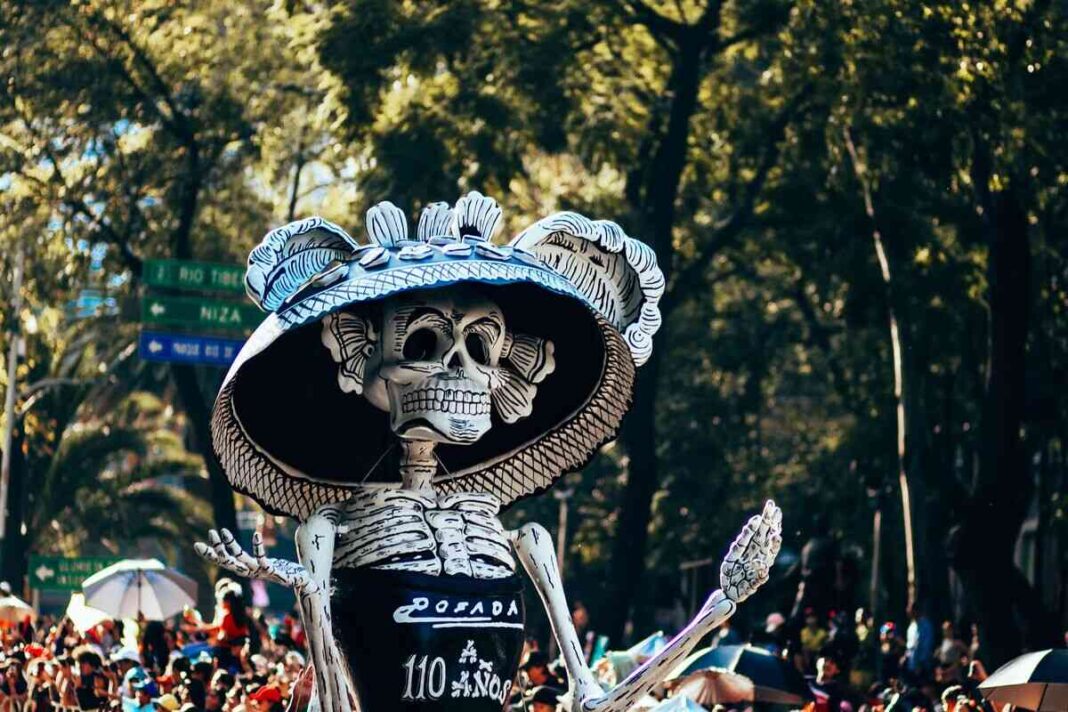
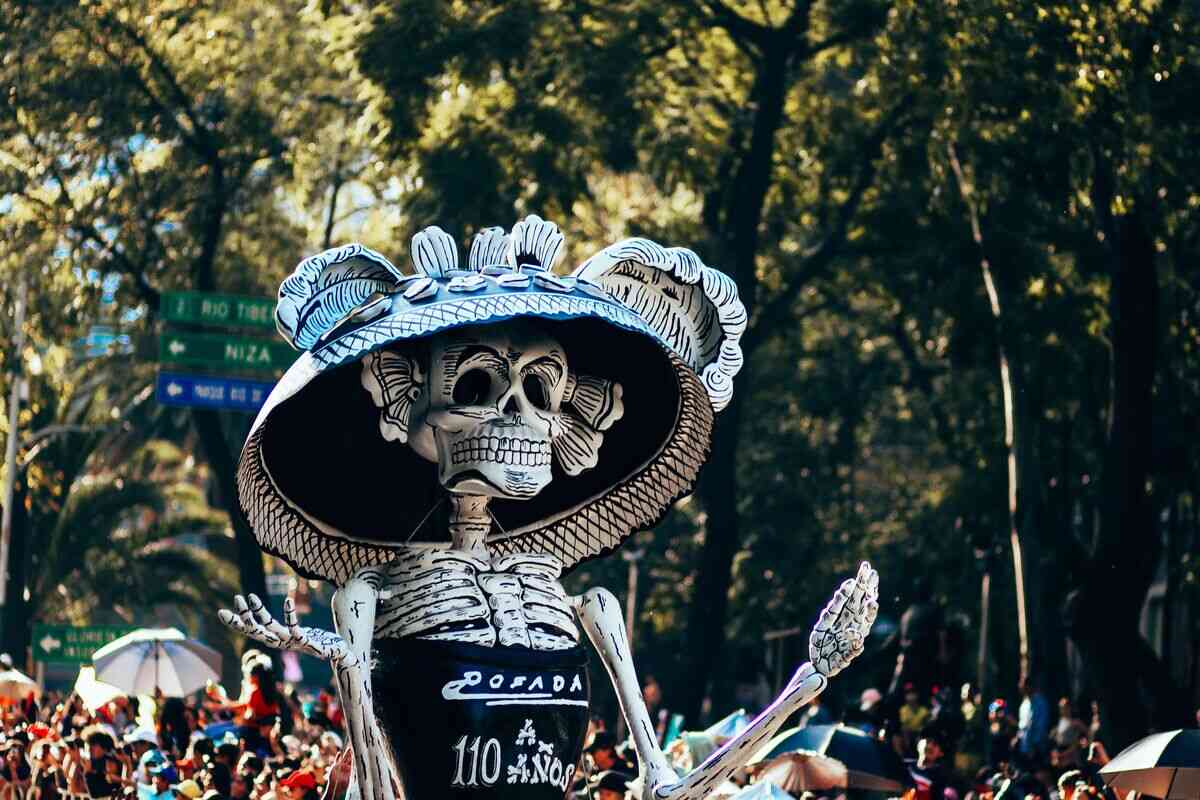
Famous traditions of Mexico such as the Day of the Dead are becoming increasingly attractive to both local and foreign tourists, thus contributing to the country’s reputation as one of the top destinations for cultural tourism. According to travel intelligence analysis by Amadeus, there is a notable rise in the number of visitors during the time of Día de Muertos, and among the top destinations are Mexico City and Oaxaca. These results indicate how the Mexican holiday has evolved into an important tourist attraction, encouraging tourists to explore the culture of Mexico.
Mexico’s Day of the Dead Festival Strengthens Its Appeal to Global Travellers
Every year, Mexico comes alive with flowers, music, colourful decorations and traditional ceremonies as communities prepare to celebrate Día de Muertos, widely known as the Day of the Dead.
Observed primarily on 1 and 2 November, the festival honours family members and ancestors who have passed away. In some communities, celebrations begin as early as 28 October, creating several days of cultural activities and remembrance.
Unlike Halloween, which often focuses on frightening costumes and supernatural themes, Día de Muertos celebrates memories, family connections and the continuity of life.
Its distinctive traditions have increasingly captured international attention, turning the annual occasion into an important attraction for cultural travellers.
Traditional Celebrations Bring Mexico’s Cultural Heritage to Life
At the heart of the festival is a deeply personal tradition that brings families together to remember their loved ones.
Advertisement
Advertisement
Homes and public spaces feature carefully decorated altars known as ofrendas. These displays commonly include photographs, candles, flowers, traditional foods and objects associated with deceased family members.
Bright orange marigolds are among the most recognisable symbols of the celebrations, while streets and public squares become gathering places for communities.
Advertisement
Advertisement
For international visitors, the festival offers an opportunity to understand Mexican customs through authentic cultural experiences.
Its growing popularity also demonstrates how traditional celebrations can support tourism while preserving the cultural identity and heritage of local communities.
Mexico City and Oaxaca Experience a Remarkable Rise in Festival Arrivals
Mexico City and Oaxaca remain two of the country’s most prominent destinations for Day of the Dead celebrations.
Both cities are recognised for their colourful streets, cultural programmes, traditional decorations and public festivities.
Advertisement
Advertisement
According to Amadeus Travel Intelligence, combined domestic and international arrivals into these destinations during 27 October to 2 November increase by 32% compared with the preceding week of 20–26 October.
The difference becomes even more striking when compared with the following week, 3–9 November, with arrivals rising by 99%.
These figures demonstrate the strong influence of the festival on travel demand and the importance of cultural events in attracting visitors.
Travel Demand Peaks Before the Main November Celebrations
Although the principal Day of the Dead observances take place on 1 and 2 November, travel patterns indicate that many visitors arrive several days earlier.
Amadeus data identifies 29 and 30 October as the busiest arrival dates for Mexico City and Oaxaca during the festival period.
This early movement suggests that travellers prefer to reach their destinations before the main celebrations begin, allowing additional time to explore local attractions and participate in cultural activities.
Advertisement
Advertisement
Arrivals subsequently decline sharply after the holiday period.
The concentrated travel pattern highlights the importance of advance planning for accommodation providers, transport operators and tourism businesses preparing for increased visitor demand.
International Tourism Growth Highlights Mexico’s Expanding Cultural Appeal
International arrivals into Mexico City and Oaxaca during the festival period increase by 22% compared with the previous year.
The findings also reveal interesting changes in visitor behaviour.
Travellers arriving in pairs represent 41% of international arrivals, while solo travellers account for another 37%.
Together, these groups contribute 78% of international visitors to the two destinations.
Advertisement
Advertisement
Medium-length visits of six to thirteen days record the strongest growth, increasing by 31%.
Shorter stays lasting one to five days also rise by 18%.
These trends indicate that the celebrations attract both visitors planning extended Mexican holidays and those seeking shorter cultural experiences.
Domestic Tourism Emerges as a Powerful Driver of Festival Growth
Domestic travellers are playing an increasingly important role in Mexico’s Day of the Dead tourism activity.
Across the country, domestic air arrivals during the festival period increase by 24% compared with the previous year.
Mexico City remains the largest domestic destination, accounting for 29.4% of arrivals and recording an impressive 40% annual increase.
Advertisement
Advertisement
Oaxaca experiences even stronger growth, with domestic arrivals rising by 49%.
Solo domestic travel is another notable development, increasing by 48% year on year and representing 21.6% of domestic arrivals.
The majority of domestic journeys remain relatively short, with 75.7% lasting between one and five nights.
Festival Tourism Creates Opportunities for Mexico’s Visitor Economy
The growth in Day of the Dead travel highlights the wider economic importance of cultural celebrations across Mexico.
Increased visitor movement can create opportunities for hotels, restaurants, local transport providers, tour operators and businesses offering cultural experiences.
Mexico City benefits from its extensive tourism infrastructure, while Oaxaca attracts visitors interested in traditional customs, local craftsmanship and regional heritage.
Advertisement
Advertisement
The strong rise in domestic arrivals also shows that the festival continues to hold considerable importance among Mexican travellers.
For tourism businesses, understanding these seasonal patterns can support better planning, particularly during the busiest days before the celebrations.
Mexico’s Day of the Dead Reinforces Its Position as a Cultural Tourism Attraction
The latest travel intelligence findings underline the growing significance of Día de Muertos within Mexico’s tourism calendar.
With international arrivals increasing, domestic travel expanding and visitors choosing different lengths of stay, the celebrations demonstrate broad appeal across multiple traveller segments.
Mexico City and Oaxaca remain central to this demand, combining established tourism attractions with distinctive cultural traditions.
Beyond the arrival figures, the festival continues to offer something particularly meaningful: an opportunity to celebrate family memories, community identity and Mexican heritage.
As interest in authentic cultural experiences continues to shape travel choices, Day of the Dead stands out as an important occasion connecting Mexico’s living traditions with visitors from around the world.