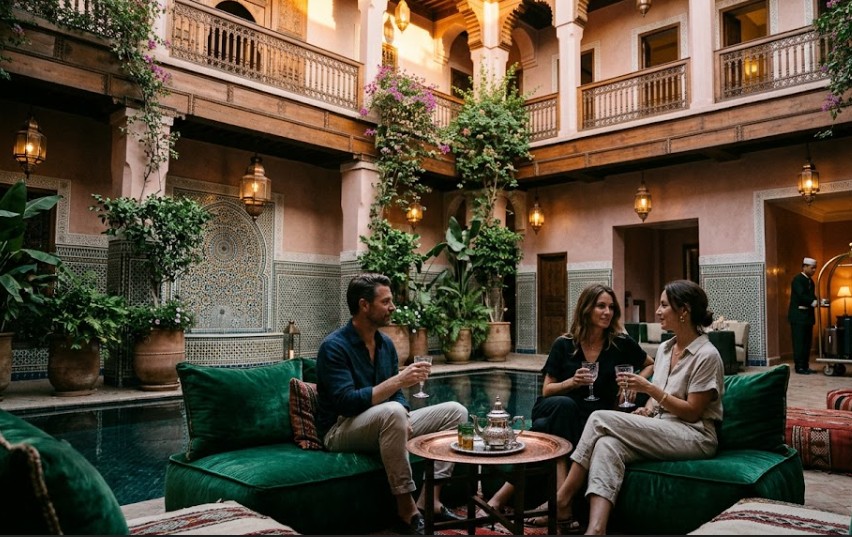

The intersection of history and opulence is redefining heritage tourism in Africa, capturing the attention of global travellers. As of late 2026, a groundbreaking shift is occurring across the continent’s most iconic landscapes. Morocco, Egypt, and Tanzania are pioneering this movement, transforming ancient palaces, riads, and monumental sites into world-class luxury travel destinations. This strategic elevation of historic landmarks is not merely about preserving the past; it is an economic catalyst driving unprecedented international arrivals. By seamlessly blending authentic cultural heritage with modern luxury, these nations are setting new global standards, ensuring their rich legacies thrive in the modern era.
The Evolution of Heritage Tourism in Africa
The global travel landscape is witnessing a profound transformation, with heritage tourism in Africa emerging as a dominant force in the luxury travel sector. No longer confined to traditional safaris or standard historical tours, the continent is successfully merging its unparalleled ancient history with ultra-luxury hospitality. Leading this continental renaissance are Morocco, Egypt, and Tanzania—three nations that have recognised the immense economic and cultural value of their historic landmarks. By carefully restoring and converting ancient palaces, traditional riads, and colonial-era estates into five-star accommodations and exclusive experiences, these countries are attracting a new demographic of high-net-worth travellers who seek authenticity without compromising on comfort.
This shift is rooted in a broader global trend where modern tourists demand immersive, culturally resonant experiences. The transformation of these historic sites goes beyond mere aesthetics; it involves deep collaborations between government ministries, private investors, and heritage conservationists to ensure that historical integrity is maintained while world-class amenities are introduced.
Latest Official Developments as of Late 2026
As of October 2026, official reports and government data highlight a record-breaking year for tourism across North and East Africa. Morocco has officially overtaken both South Africa and Egypt to become the continent’s most visited destination in terms of growth, reporting a 53% surge in international arrivals compared to pre-pandemic baselines. This monumental growth is heavily attributed to the nation’s strategic focus on upgrading its luxury hospitality sector in preparation for co-hosting the 2030 FIFA World Cup.
Advertisement
Advertisement
In Egypt, the Ministry of Tourism and Antiquities has reported that hotel occupancy rates in key historical areas have reached 100% during peak seasons. The integration of luxury Nile cruisers—which offer on-board Egyptologists and five-star amenities—with exclusive access to ancient temples in Luxor and Aswan has redefined the Egyptian travel experience.
Meanwhile, Tanzania is expanding its tourism portfolio beyond the Serengeti. The government’s latest initiatives focus on restoring Swahili coastal heritage sites in Zanzibar and Kilwa Kisiwani, blending marine tourism with high-end historical exploration.
Advertisement
Advertisement
Government Announcements and Strategic Visions
The success of heritage tourism in Africa is largely driven by robust, forward-thinking government policies.
Morocco’s Vision 2030 and Infrastructure Expansion
Morocco’s Ministry of Tourism, Handicrafts, and Social and Solidarity Economy has launched extensive initiatives to upgrade tourist infrastructure. A dedicated budget of 188 million dirhams (approximately $18.8 million) has been allocated specifically for upgrading rural and historical tourist villages. The “Go Tourism” initiative is empowering local artisans and preserving the architectural integrity of traditional riads in Marrakech, Fez, and Rabat, ensuring they meet the stringent standards of luxury travel while retaining their historical souls.
Egypt’s Integration of Antiquities and Luxury
Egyptian Tourism Minister Sherif Fathi recently announced a target of exceeding 20 million visitors in 2026. To achieve this, the Egyptian government is heavily investing in the Grand Egyptian Museum and the surrounding infrastructure in Giza. Furthermore, state-backed incentives for luxury developers are encouraging the transformation of historical properties in Downtown Cairo and Alexandria into boutique luxury hotels, mirroring the successful riad model seen in Morocco.
Tanzania’s Heritage Diversification
Tanzania’s Ministry of Natural Resources and Tourism has unveiled new conservation and investment frameworks aimed at Stone Town and other UNESCO World Heritage sites. By offering tax incentives to luxury hotel operators who commit to historically accurate restorations, Tanzania is successfully positioning its coastal history as a premium add-on to its world-famous wildlife safaris.
Statistics Driving the Industry
Official figures from national statistical offices and international tourism boards paint a picture of a booming industry:
- Morocco: Experienced a 53% growth in international arrivals (2025 vs 2019 baseline), with tourism revenues rising by 13.4% to MAD 79 billion through the summer of 2026.
- Egypt: Achieved a 47% growth in arrivals, driven by expanded airline capacity and simplified visa regimes.
- Tanzania: Reported a sustained 20% year-on-year increase in premium luxury bookings specifically tied to heritage and cultural circuits.
These numbers reflect a direct correlation between the enhancement of historic landmarks and an increase in tourism revenue.
Advertisement
Advertisement
Policy Implications and Sustainability
The rapid expansion of heritage tourism in Africa brings critical policy implications, particularly regarding sustainability and heritage preservation. Governments are implementing strict regulatory frameworks to prevent over-commercialisation.
In Morocco, the renovation of riads into luxury guesthouses requires adherence to strict architectural guidelines to preserve the traditional zellij tilework and central courtyard structures. Water conservation and solar energy integration are now mandatory for new luxury developments in historical sectors.
Egypt is balancing the high demand for Nile cruises with environmental protections for the river. New licensing laws for luxury operators mandate waste-water management systems and limits on the number of vessels docking at vulnerable archaeological sites like Kom Ombo and Edfu.
Industry Impact: The Rise of Boutique Luxury
The hospitality industry has had to pivot rapidly to accommodate this new brand of traveller. International luxury hotel chains are partnering with local heritage experts to ensure authenticity. The industry impact is visible in the shift from large, impersonal resorts to intimate, high-end boutique properties.
In Marrakech, the traditional riad—once a private family mansion—is now the gold standard for luxury accommodation. These properties offer personalised services, private hammams, and curated cultural experiences that large hotels cannot replicate. Similarly, in Zanzibar, historic Omani palaces are being repurposed into luxury suites featuring antique furnishings and modern smart-room technology.
Economic Implications: Beyond the Hotels
The economic implications of elevating historic landmarks into luxury hubs extend far beyond the hospitality sector. This model of tourism is highly employment-intensive and supports a vast ecosystem of local economies.
Advertisement
Advertisement
- Job Creation: The restoration of historical sites requires skilled artisans, stonemasons, and craftsmen, reviving traditional trades that were at risk of disappearing.
- Local Supply Chains: Luxury tourists demand high-quality, locally sourced cuisine and artisanal products, directly benefiting local agriculture and handicraft sectors.
- Infrastructure Spillovers: Government investments in airports, roads, and digital connectivity to serve luxury tourist hubs simultaneously improve the quality of life for local residents. Improved air connectivity across North Africa has made multi-stop heritage tours highly accessible.
Tourism, Business, and Public Impact
For the public, the reinvigoration of historical sites fosters a renewed sense of national pride. Landmarks that were once deteriorating are now globally celebrated. However, this transition requires careful management of the public impact. Authorities must ensure that local populations are not priced out of their own historical city centres—a phenomenon known as tourism gentrification.
To combat this, countries like Morocco are implementing community-based tourism models where a percentage of luxury tourism revenue is reinvested into local public services and housing subsidies for residents of the ancient medinas.
Expert and Official Statements
The success of these initiatives is echoed by industry leaders. According to the OECD’s Tourism Trends and Policies 2026 report, the rapid growth in nations like Morocco and Egypt is directly linked to “easier visas, expanded airline capacity and investment in culture”.
As Egyptian Tourism Minister Sherif Fathi noted during recent industry briefings, the 100% hotel occupancy in key historical zones demonstrates that the integration of luxury and antiquities is not just a trend, but the new foundation of the nation’s tourism economy.
Future Outlook: Sustaining the Momentum
Looking toward 2030, the trajectory for heritage tourism in Africa is exceptionally strong. Morocco’s preparations for the 2030 World Cup will serve as a massive catalyst for further infrastructure development, likely cementing its status as a premier global destination.
The future will likely see a deeper integration of technology within heritage tourism. Augmented reality (AR) tours of ancient ruins, seamless digital visa processing, and AI-driven personalised itineraries will enhance the luxury experience while maintaining the historical essence of the destinations. As Morocco, Egypt, and Tanzania continue to refine their offerings, they provide a masterclass in how to leverage the past to secure a prosperous economic future.