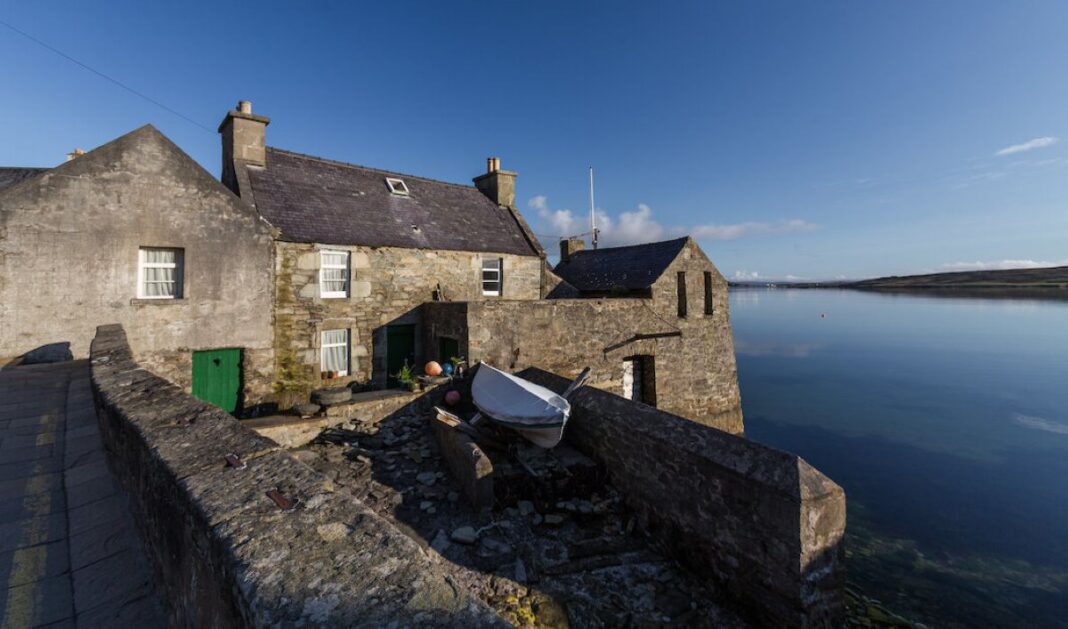

Lerwick is the old capital of Shetland, an archipelago of islands about 100 miles north of the Scottish mainland. This is a top UK winter escape because it blends the Norwegian traditions and atmosphere and the old stone built harbour with inspiring north Atlantic views and a lapping bay to walk around. Read more about Lerwick on Wikipedia. Enjoying a special setting on the southern tip of Shetland, the town is known as ‘Little Norway’ for the scandinavian influence and offers some of the best things to do in Scotland’s winter from island walks to local museums, to walk around in the freezing cold.
Why Is Lerwick in Scotland Known as Little Norway
Lerwick sits on Mainland, the largest island in the Shetland archipelago, closer geographically to Norway than many parts of mainland Britain. Its Nordic identity reflects centuries of political, cultural and maritime connections with Scandinavia.
Advertisement
Advertisement
Shetland belonged to the Norwegian crown before the islands passed into Scottish control in 1469. This transition followed a royal marriage arrangement involving King Christian I of Denmark and Norway and James III of Scotland.
The islands retained their distinctive Norse influence through local place names, traditions and cultural heritage. Lerwick’s name derives from Old Norse and refers to a muddy or clay bay.
The town’s waterfront provides some of its strongest historical character. Traditional stone buildings, narrow lanes and former merchant properties reflect the importance of fishing, trade and maritime connections.
Lerwick also shares a significant wartime history with Norway. During the Second World War, the Shetland Bus operation maintained dangerous clandestine maritime links between Shetland and Nazi-occupied Norway.
Advertisement
Advertisement
Norwegian crews transported personnel, supplies and refugees across the North Sea. This history strengthens the cultural relationship between the two regions and gives visitors another reason to explore Shetland’s museums and heritage attractions.
Lerwick’s Historic Waterfront Offers a Beautiful Winter Walking Experience
Lerwick’s old town provides an excellent starting point for a winter sightseeing itinerary. Its compact streets allow visitors to discover historic architecture, independent shops and harbour views on foot.
Advertisement
Advertisement
Commercial Street forms the heart of the historic centre. Its narrow layout, traditional shopfronts and distinctive buildings preserve the atmosphere of an established Scottish island community.
Nearby waterfront structures known as lodberries extend towards the sea. Merchants historically used these buildings and landing places to move goods directly between boats and their properties.
The harbour remains central to Lerwick’s identity. Fishing vessels, maritime activity and changing winter skies create a distinctive setting for photography and leisurely exploration.
Travellers can follow the waterfront, explore surrounding lanes and enjoy views across Bressay Sound. However, strong winds and slippery surfaces can make exposed coastal routes challenging during winter.
Advertisement
Advertisement
Lerwick’s architectural appeal comes primarily from its stone-built historic centre rather than the colourful timber houses commonly associated with Norwegian coastal settlements.
This difference gives the town its own character. Its Scandinavian heritage appears through its history, maritime connections and place names rather than a direct architectural imitation of Norway.
Discover Shetland’s Ancient Landmarks and Fascinating Maritime History
History buffs will enjoy Shetland Museum and Archives, where Shetland’s archaeology, maritime history and culture are depicted. Exhibits can explain the Scandinavian and Scottish influences on Shetland.
Fort Charlotte, which commands Lerwick Harbour, provides yet another link to the town’s military past. Visitors can also visit Clickimin Broch, an ancient stone settlement about one mile south west of Lerwick.
Historic Environment Scotland also have winter opening hours at Clickimin Broch as 10am-4pm, only with the exception of holiday closures.
Northern Lights and Dramatic Winter Scenery Add to Lerwick’s Appeal
Winter brings opportunities to experience Shetland’s striking coastal landscapes and, occasionally, the Northern Lights. Locals call the aurora Mirrie Dancers, reflecting the shimmering movement of colourful lights across the night sky.
Advertisement
Advertisement
Shetland’s northern latitude and relatively low light pollution create favourable viewing conditions. However, visitors need clear skies and suitable solar activity, and sightings remain unpredictable.
The official Shetland tourism website identifies mid-October to mid-March as a promising viewing period. Travellers should choose dark locations away from Lerwick’s street lighting. Shetland.org
What Weather Should Travellers Expect During a Lerwick Winter Break?
Lerwick experiences cool, windy and frequently wet winters. Met Office climate averages for 1991–2020 show January daytime highs of approximately 6.1°C and average overnight lows of 2.2°C.
December receives approximately 150mm of rainfall on average. Snow can occur, but travellers should not expect continuous snow cover throughout winter. Met Office
Daylight also becomes limited. Around the December solstice, Shetland receives fewer than six hours of daylight, making early sightseeing essential.
How Can Travellers Reach Lerwick from Mainland Scotland
There are two main ways to get to Shetland, ferry or air. North Link Ferries runs overnight services from Aberdeen to Lerwick, with some ferries stopping at Kirkwall in Orkney.
Advertisement
Advertisement
Typically it will take 12 – 15 hours to get there depending on your route. Other options include direct flights linking many Scottish cities to Sumburgh Airport 24 miles away from Lerwick.
Essential Tips for Planning a Shetland Winter Holiday
- Accommodation: Book centrally in Lerwick for convenient access to shops, restaurants and waterfront attractions.
- Clothing: Carry waterproof layers, windproof jackets and sturdy walking boots.
- Transport: Check ferry and flight updates before departure.
- Sightseeing: Plan outdoor activities around limited daylight.
- Attractions: Confirm seasonal opening hours before visiting.
- https://www.shetland.org/
Winter storms can interrupt transport services, so travellers should allow flexibility in their schedules. The quieter season rewards visitors with peaceful coastal scenery, distinctive heritage and a memorable northern Scottish experience.