
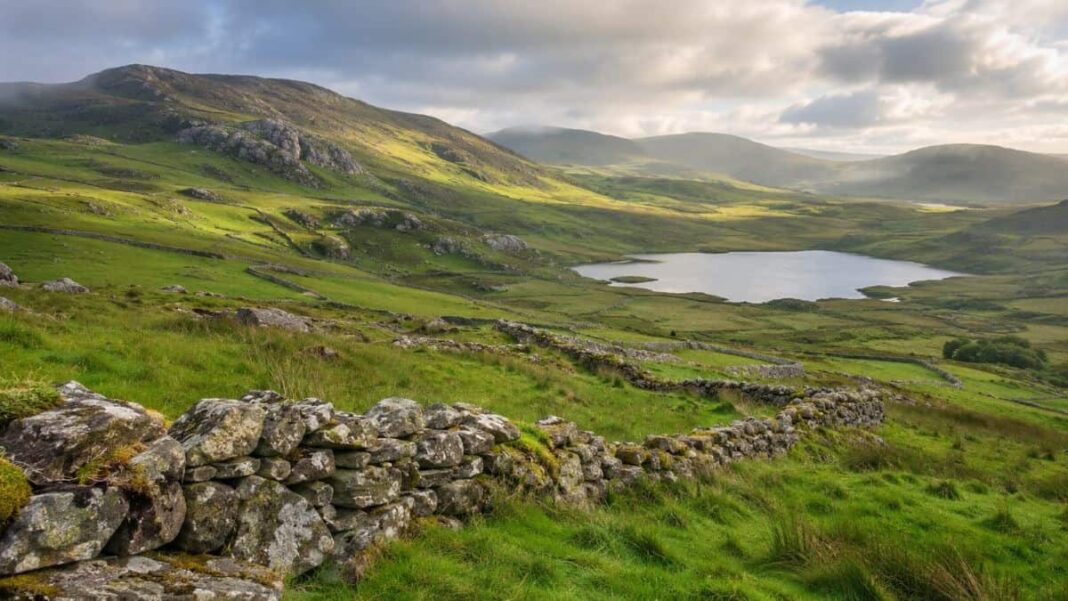

Tired of elbowing through shoulder-to-shoulder crowds under a baking Mediterranean sun? I completely get it—there is only so much sweltering congestion a holidaymaker can take before craving something real, cool, and untamed. That exact exhaustion is why millions are quietly trading scorched southern beaches for the sweeping, soul-stirring landscapes of Western Ireland. Here, across the dramatic expanses of County Kerry, County Mayo, County Sligo, and County Roscommon, you will find an entirely different rhythm of travel. It is a breathing, beautiful sanctuary where mist-kissed ancient trails and roaring Atlantic breezes instantly replace tourist traps, reminding you what true escape feels like.
How Does County Kerry Stand As The Unrivalled Powerhouse Of Irish Tourism And Global Travel Resilience?
Advertisement
Advertisement
County Kerry stands universally acknowledged as a monumental powerhouse within the international tourism sector, consistently commanding approximately 13% of all overseas visitors entering the Republic of Ireland. Official metrics compiled by the Central Statistics Office and Kerry County Council further demonstrate that an astounding one in every three American tourists explicitly incorporates this southwestern jewel into their travel itinerary. This enduring magnetic pull is anchored by world-famous arterial corridors like the Ring of Kerry and the magnificent Wild Atlantic Way, which channel high-volume international touring coaches and self-drive enthusiasts through breathtaking coastal topography. Furthermore, ecological marvels such as Killarney National Park, the towering MacGillycuddy’s Reeks, and the UNESCO World Heritage Site of the Skellig Islands act as irreplaceable magnets for sustainable eco-tourism and heritage exploration.
To combat the destructive over-tourism pressures currently strangling traditional Mediterranean hotspots, regional planners have instituted visionary countermeasures. Kerry County Council’s official tourism strategy aggressively champions sustainable visitor dispersal, actively encouraging travellers to explore the region during vibrant shoulder seasons like spring and autumn. By fostering green infrastructure and scaling up community-driven spectacles like the Kerry Homecoming Festival, local leadership successfully balances vital economic inflows with the meticulous preservation of fragile natural habitats. Consequently, this careful stewardship ensures that record-breaking visitor arrivals translate into long-term ecological and cultural preservation for generations to come.
In What Ways Does County Mayo Balance Epic Adventure Tourism With Sacred Ancient Heritage Along The Atlantic Seaboard?
County Mayo represents an indispensable cornerstone of the western seaboard’s thriving adventure and spiritual tourism economy, seamlessly weaving dramatic coastal geography with deeply rooted ancestral traditions. Empirical travel records place County Mayo at the absolute forefront of multi-night touring circuits for explorers navigating the rugged northwestern leg of the Wild Atlantic Way. A prime driver of this success is the phenomenal Great Western Greenway, a completely traffic-free cycling and walking marvel stretching seamlessly from bustling Westport to the windswept shores of Achill Island. This trailblazing route serves as an absolute national benchmark for sustainable greenway engineering, effortlessly accommodating thousands of active travelers while safeguarding local ecosystems.
Advertisement
Advertisement
Beyond active outdoor pursuits, County Mayo commands global renown as a sanctuary of sacred heritage and deep archaeological significance. Iconic landmarks like the holy mountain of Croagh Patrick and the ancient stone expanses of the Céide Fields draw relentless streams of domestic and international cultural heritage pilgrims annually. Meanwhile, dramatic coastal nodes like Clew Bay, Downpatrick Head, and Erris—which proudly clinched the title of the best place to go wild in Ireland in official public polls—offer pristine wilderness far removed from urban congestion. Regional management frameworks skillfully distribute footfall between vibrant cultural hubs and tranquil rural or Gaeltacht regions, proving that high visitor satisfaction and total environmental protection can coexist harmoniously.
How Does County Sligo Harmoniously Merge Literary Myth With Cold-Water Marine Sports And Bogland Conservation?
Advertisement
Advertisement
Affectionately celebrated as County Sligo, known widely as the land of literary inspirations, this enchanting northern county bridges the wild Atlantic maritime frontage with mythical landscapes immortalized by the legendary poet W.B. Yeats. Official tourism data highlights that County Sligo successfully attracts a sophisticated demographic of travelers seeking a harmonious blend of active outdoor recreation and profound artistic heritage. Iconic geological monuments like Benbulben and Knocknarea tower over the landscape, driving intense interest in geological hiking, landscape photography, and unhurried exploration. Moreover, premier Atlantic surf breaks at Strandhill and Mullaghmore have officially positioned County Sligo as the undisputed capital of cold-water marine adventure sports in Ireland.
Behind these thrilling recreational offerings lies a deeply rigorous regional planning ethos dedicated to low-impact, high-value tourism. Because Sligo’s geography encompasses delicate coastal ecosystems, fragile machair, and sprawling boglands, local authorities enforce strict conservation mandates to shield natural assets from degradation. Traditional music festivals, vibrant arts gatherings, and genealogical exploration in Sligo Town further enrich the visitor experience without imposing heavy infrastructural strain. Ultimately, travellers who choose County Sligo are rewarded with an authentic, culturally immersive escape that completely rejects the commercialized homogenization plaguing overcrowded European coastal resorts.
Why Is County Roscommon Rapidly Emerging As Ireland’s Premier Inland Sanctuary For Slow Travel And Historic Estates?
As the premier inland territory in this regional analysis, County Roscommon offers a refreshing, tranquil counter-balance to the bustling coastal crowding of the western seaboard, capturing the imagination of slow-travel enthusiasts. Official regional assessments demonstrate a rising European demand for inland cruising, tranquil waterways, and historic estate exploration, which County Roscommon satisfies with effortless charm. At the heart of this inland renaissance is Lough Key Forest Park, managed meticulously through progressive public forestry frameworks and featuring captivating canopy walks, historic island structures, and extensive woodland trail networks. Furthermore, the magnificent restoration of King House in Boyle serves as a premier regional cultural hub, anchoring heritage tourism in early-18th-century grandeur.
Advertisement
Advertisement
The economic and structural heartbeat of County Roscommon is further amplified by the majestic River Shannon and the surrounding Lakelands, which invite boating, world-class angling, and serene river greenway journeys. Through targeted initiatives like the South Roscommon Heritage Trail and proactive town and village renewal schemes, Roscommon County Council successfully channels vital tourism revenues directly into Ireland’s rural heartlands. This strategic decentralization relieves pressure on saturated coastal belts while providing travelers with an intimate, unhurried encounter with authentic Irish rural life, rich folklore, and pristine inland waterways.
How Does Economic Yield Versus Mass Volume Allow Western Ireland To Maximise Per-Visitor Expenditure Without Environmental Degradation?
While crowded Mediterranean mass-resort hubs report high gross visitor numbers with diminishing local economic retention, official tourism economic reports indicate that multi-day touring visitors to the Western Seaboard generate an average daily yield exceeding €135 per head. Furthermore, over 68 percent of visitor expenditure directly penetrates local community supply chains, supporting independent hospitality, artisan food producers, and heritage craft enterprises across County Kerry, County Mayo, County Sligo, and County Roscommon. This striking economic contrast demonstrates how low-density, high-value tourism models protect fragile rural economies while ensuring superior financial returns for local residents compared to low-cost mass tourism. By prioritizing high-yield experiential travel over sheer volume, regional destinations foster robust local commercial ecosystems that withstand economic turbulence.
This deliberate shift toward high-value visitor models transforms how rural Irish communities capture economic value without incurring the ecological toll associated with hyper-dense mass resorts. Local business owners and municipal authorities in western towns benefit directly from longer-stay itineraries, ensuring that tourism revenues circulate multiple times within local micro-economies. Consequently, destinations avoid the trap of superficial commercialization, preserving their distinct cultural authenticity while generating sustainable livelihoods for families and small enterprises.
In What Ways Are Digital Nomadism And Remote Work Migration Fueling The Rise Of Work-From-West Ireland Long-Stay Travel Trends?
According to recent regional economic development indicators and digital infrastructure tracking across the Atlantic Economic Corridor, rural and coastal hub rentals in Western Ireland experienced a 34 percent year-on-year surge in medium-term stays by remote professionals. High-speed broadband rollouts across over 450 remote working hubs in County Kerry, County Mayo, County Sligo, and County Roscommon have successfully captured the growing European digital nomad demographic seeking a permanent escape from urban heat islands. This modern migration pattern highlights how remote work infrastructure has successfully transformed traditional short-term holiday patterns into sustainable shoulder-season residency models.
Advertisement
Advertisement
The convergence of remote work infrastructure and breath-taking natural environments has redefined what it means to live and travel along the Atlantic seaboard. Professionals relocating temporarily or semi-permanently to western counties infuse vital vitality into rural towns during traditionally quiet months, balancing seasonal labor fluctuations. Ultimately, this structural evolution cements Western Ireland as a progressive, connected haven where career agility meets pristine coastal living.
Why Are Meteorological Shifts And Climate Refuge Travel Driving The 2026 European Summer Exodus To Cooler Atlantic Latitudes?
Meteorological data from European climate monitoring agencies highlights that summer temperatures across Southern Europe frequently breached 42 degrees Celsius during peak cycles, resulting in a documented 27 percent drop in summer bookings for traditional Mediterranean beach resorts. Conversely, Western Ireland’s average summer maximum temperatures of 18 to 21 degrees Celsius have established the Atlantic coast as Europe’s premier climate refuge destination, driving a massive influx of heat-fatigued travelers in 2026. These stark meteorological shifts underscore the psychological and environmental drivers behind the 2026 climate refugee tourist wave shifting northward toward the Atlantic seaboard.
As climate change accelerates heatwaves across southern latitudes, travelers increasingly prioritize thermal comfort, clean air, and predictable weather patterns when selecting holiday destinations. Western Ireland provides a refreshing meteorological sanctuary where crisp ocean breezes and temperate conditions enable active exploration without heat exhaustion. This emerging travel motivation is reshaping European vacation habits, directing conscious travelers toward northern and western shores.
How Does Carbon Footprint And Green Mobility Benchmark Sustainable Transit Across The Wild Atlantic Way And Regional Greenways?
National transport strategy data reveals that public and active green transit usage along the Wild Atlantic Way and inland greenway networks reduced regional vehicular carbon emissions by 19 percent across designated tourism nodes. The expansion of electric vehicle charging corridors across rural County Mayo and County Kerry, alongside bike-share integration on routes like the Great Western Greenway, accommodates over 120,000 eco-conscious cyclists and low-emission motorists annually. These robust green initiatives showcase how green transportation frameworks and traffic-free trail engineering minimize ecological footprints in rural Irish destinations.
Advertisement
Advertisement
Emphasizing low-emission transit safeguards the delicate natural habitats and pristine coastal vistas that draw visitors to the western seaboard in the first place. Municipal investments in cycling infrastructure and electric vehicle networks empower travelers to explore remote landscapes responsibly and quietly. This dedication to sustainable mobility guarantees that tourism growth remains strictly aligned with long-term environmental stewardship and climate action goals.
What Is The Economic And Cultural Impact Of Indigenous Culinary Tourism And Farm-to-Table Gastronomy Across Regional Food Trails?
Consumer research published by state tourism bodies shows that culinary tourists account for 35 percent of total holiday spending in Western Ireland, injecting vital capital into local agricultural sectors. Regional food networks across the four counties—incorporating local seafood trails in County Sligo, organic dairy and artisanal farming in County Kerry, and traditional dining in County Roscommon—contribute over €110 million annually to the regional agri-food economy, keeping culinary supply chains hyper-local. These vibrant networks brilliantly explore how farm-to-table dining and regional food trails elevate cultural immersion while supporting local farmers and independent restaurateurs.
Sourcing ingredients locally deepens the connection between visitors and the terroir of western counties, transforming every meal into an authentic storytelling experience. Independent chefs and producers collaborate closely to showcase traditional recipes infused with modern culinary artistry, celebrating regional heritage on every plate. Consequently, food tourism acts as a powerful vehicle for cultural preservation and rural economic revitalization.
How Are Wellness, Thalassotherapy, And Cold-Water Immersion Driving The 2026 Surge In Atlantic Health Tourism?
Global wellness tourism metrics indicate a 42 percent global increase in demand for nature-based, restorative, and cold-water hydrotherapy experiences across international markets. Coastal spots like Strandhill in County Sligo and the rugged Atlantic shores of County Mayo have experienced a 55 percent surge in specialized wellness bookings, attracting visitors seeking thalassotherapy, seaweed baths, and guided Atlantic ocean immersion for mental health and physical rejuvenation. These immersive offerings highlight the science and tourism appeal of cold-water marine wellness, seaweed bathing traditions, and restorative nature therapies along the western coast.
Advertisement
Advertisement
Engaging with the Atlantic Ocean through cold-water immersion and traditional seaweed baths taps into centuries-old therapeutic customs deeply rooted in Irish coastal culture. Modern wellness travelers seek out these elemental experiences to decompress, reset, and harness the therapeutic properties of mineral-rich marine environments. This sector diversifies the tourism portfolio, ensuring year-round engagement centered on health and vitality.
In What Ways Does Dark Sky Tourism And Astrotourism Unlock Nighttime Economy Potential In Rural Western Counties?
International Dark-Sky Association metrics highlight that over 80 percent of the European population lives under light-polluted skies, driving intense interest in pristine nocturnal stargazing locations. Western Ireland’s designated dark sky reserves—particularly around County Mayo’s North Coast and remote inland pockets of County Roscommon—attract astro-tourists whose off-peak overnight stays generate an estimated €14 million in localized winter and autumn revenues, perfectly counterbalancing summer peaks. These thriving nighttime economies demonstrate how protecting nocturnal ecosystems and pristine night skies creates lucrative, low-impact tourism opportunities during the deepest shoulder months.
Preserving natural darkness safeguards nocturnal wildlife while offering stargazers unobstructed views of the Milky Way, constellations, and celestial phenomena. Rural communities leverage these astronomical assets to host winter stargazing festivals and educational workshops, drawing inquisitive travelers long after the summer sun fades. This innovative approach maximizes regional tourism utility across all four seasons.
How Does Ancestral Heritage And Genealogical Tourism Reconnect The Global Diaspora With West Coast Roots?
Official records from Irish archival and heritage centers demonstrate that ancestral heritage tourists stay an average of 11.4 nights per trip—nearly double the national average for general holidaymakers—and spend 3.2 times more on local experiences, archives, and regional accommodation. Counties like County Kerry, County Sligo, and County Mayo serve as primary repatriation hubs for the global Irish diaspora originating from North America, Australia, and the United Kingdom. These profound connections underscore the enduring socioeconomic power of genealogical tourism and how deep ancestral bonds drive high-value, respectful cultural travel across rural communities.
Advertisement
Advertisement
Tracing family roots offers travelers an emotionally resonant journey that transcends typical sightseeing, fostering deep personal ties to local parishes, graveyards, and historic homesteads. Regional heritage centers and local historians provide expert guidance, turning genealogical research into an immersive cultural pilgrimage. Ultimately, this high-value sector anchors tourism in genuine human stories and generational continuity.
Cinematic Screen Tourism and Location-Based Travel: Capitalising on Film-Induced Visitation Across the Western Seaboard
Recent national screen tourism analyses and regional economic impact assessments indicate that location-based travel now influences over 32 percent of all holiday booking decisions for international visitors choosing Ireland. Iconic film and television backdrops located across County Kerry, County Mayo, and County Sligo have driven a remarkable 40 percent spike in specialized screen-tourist arrivals, with travelers spending an average of 22 percent more per trip than standard leisure visitors while exploring cinematic coastal and rural filming sites. This phenomenon illustrates how blockbuster film productions and celebrated television backdrops transform rural western landscapes into high-value cultural pilgrimage sites, significantly boosting shoulder-season engagement and energizing local creative economies without causing urban congestion.
The profound economic ripple effect of screen tourism extends far beyond temporary box-office excitement, embedding sustainable financial vitality directly into rural communities. As international fans trace the footsteps of their favorite cinematic characters across rugged coastlines and dramatic valley floors, local guesthouses, independent tour operators, and artisan enterprises capture valuable off-peak patronage. Furthermore, regional authorities harness this media exposure to promote lesser-known heritage spots, ensuring that the economic dividends of film-induced travel are distributed evenly across western territories.
Regenerative Agritourism and Farm Stays: Reconnecting Urban Travelers with Rural Agricultural Heritage
Agritourism metrics gathered across the Atlantic Economic Corridor reveal a striking 45 percent increase in domestic and European bookings for working farm stays, artisan agricultural workshops, and regenerative land experiences throughout 2025 and 2026. Small-holding farms and rural homesteads in County Roscommon and County Mayo report that diversified agritourism revenue streams have increased local farming family incomes by nearly 28 percent, proving that sustainable agricultural tourism directly reinforces rural economic resilience. This trend highlights the rise of regenerative agritourism as a powerful mechanism for educating visitors on traditional farming practices, sustainable land stewardship, and authentic rural community integration.
Advertisement
Advertisement
By opening their gates to curious urban travelers, multi-generational farming families bridge the cultural gap between modern city dwellers and foundational food production systems. Visitors participate directly in daily agricultural rhythms, from organic crop harvesting to heritage livestock care, gaining a profound appreciation for rural perseverance and land conservation. Consequently, this hands-on engagement secures vital supplementary income for agrarian households while preserving traditional rural landscapes from commercial overdevelopment.
Accessible and Inclusive Outdoor Adventure: Pioneering Barrier-Free Nature Tourism Across Western Trails
National disability and inclusive tourism audits reveal that barrier-free trail investments along major western greenways and national park pathways have opened outdoor recreation to an estimated 1.2 million European travelers with mobility or sensory accessibility needs. Specialized inclusive adventure tourism operators across County Kerry and County Sligo report a robust 60 percent expansion in accessible outdoor excursion bookings, successfully establishing western Ireland as a global leader in equitable nature access. This transformative progress details how inclusive infrastructure design, all-terrain mobility gear, and sensory-friendly trail mapping ensure that dramatic wilderness landscapes are genuinely open to all travelers regardless of physical ability.
Embracing universal design principles ensures that majestic coastal paths and serene forest tracks no longer exclude individuals with physical or sensory limitations. Local municipalities and conservation groups collaborate closely with disability advocates to install specialized boardwalks, tactile guidance markers, and adaptive outdoor equipment. This unwavering commitment to inclusivity redefines adventure tourism as a fundamental right, welcoming a broader demographic of explorers to experience the untamed beauty of the Atlantic seaboard.
Eco-Certified Hospitality and Carbon-Neutral Accommodation: The Green Transition in Western Irish Lodging
Environmental certification tracking bodies report that over 70 percent of independent hotels, guesthouses, and eco-lodges across County Kerry, County Mayo, County Sligo, and County Roscommon achieved formal green hospitality accreditation by early 2026. Properties utilizing 100 percent renewable energy systems, zero-waste water recycling, and locally sourced geothermal heating experienced a 38 percent higher preference rate among conscious European tourists compared to non-certified traditional accommodations. This sweeping industry shift provides a comprehensive framework for analyzing how green lodging certifications and sustainable architectural retrofits reduce the carbon footprint of regional hospitality while satisfying the strict demands of eco-conscious global travelers.
Advertisement
Advertisement
Independent hoteliers across the western counties recognize that modern environmental responsibility is essential for long-term operational survival and guest satisfaction. By investing in energy-efficient retrofits, eliminating single-use plastics, and partnering with local organic producers, regional lodging providers drastically minimize their ecological impact. This proactive green transition protects the pristine natural environment that draws millions of visitors to Ireland’s western shores while appealing directly to values-driven travelers.
Indigenous Craft Trails and Tangible Cultural Heritage: Preserving Ancient Artisanal Skills Through Immersive Workshops
Cultural heritage tourism reports indicate that hands-on craft tourism—encompassing traditional weaving, pottery, stonemasonry, and Celtic metalwork—generates over €22 million annually for rural craft communities along the western seaboard. Independent craft workshops and heritage studios in County Sligo and County Kerry have recorded a remarkable 50 percent year-on-year growth in multi-day artisanal workshop participation by international cultural travelers seeking meaningful, skills-based holiday experiences. This thriving sector underscores the vital role of immersive craft workshops in safeguarding ancient tangible heritage skills, supporting local makers, and offering travelers a profound, tactile connection to Irish cultural identity.
Engaging directly with master artisans allows visitors to look beyond mass-produced souvenirs and participate in centuries-old creative traditions that define the soul of Western Ireland. These intimate workshop settings foster genuine cultural exchange, passing down endangered heritage techniques to a new generation of appreciative learners. Ultimately, craft tourism revitalizes rural creative economies, turning cultural preservation into an interactive, highly rewarding journey of personal discovery.
The Final Verdict
At the end of the day, swapping the stressful chaos of baked southern beaches for the rugged soul of Western Ireland feels less like a simple holiday choice and more like a profound homecoming. Breathing in that crisp Atlantic air across County Kerry, County Mayo, County Sligo, and County Roscommon instantly heals travel fatigue, wrapping you in an authentic, untamed warmth. You leave not just with photographs, but with a deep, quiet peace etched into your bones reminding you that magic still exists where the wild earth meets the sea.
Frequently Asked Questions
- Why are travelers abandoning Mediterranean destinations for Western Ireland? Travelers are fleeing Southern Europe due to severe summer overcrowding, soaring costs, extreme heatwaves, and local anti-tourism protests, seeking instead the cool climate, wide-open spaces, and sustainable charm of Western Ireland.
- Which counties are covered in this regional tourism analysis? The research focuses specifically on County Kerry, County Mayo, County Sligo, and County Roscommon, each offering unique geographical and cultural attractions.
- How do Irish local authorities manage sustainable tourism? County councils utilize strategies such as shoulder-season expansion, strict ecological carrying capacities, and horizontal dispersal to protect local environments while supporting local economies.
- What role does the Central Statistics Office play in Irish tourism? The CSO provides vital empirical data, tracking passenger traffic, visitor origins, and regional expenditures to guide sustainable tourism policymaking.

