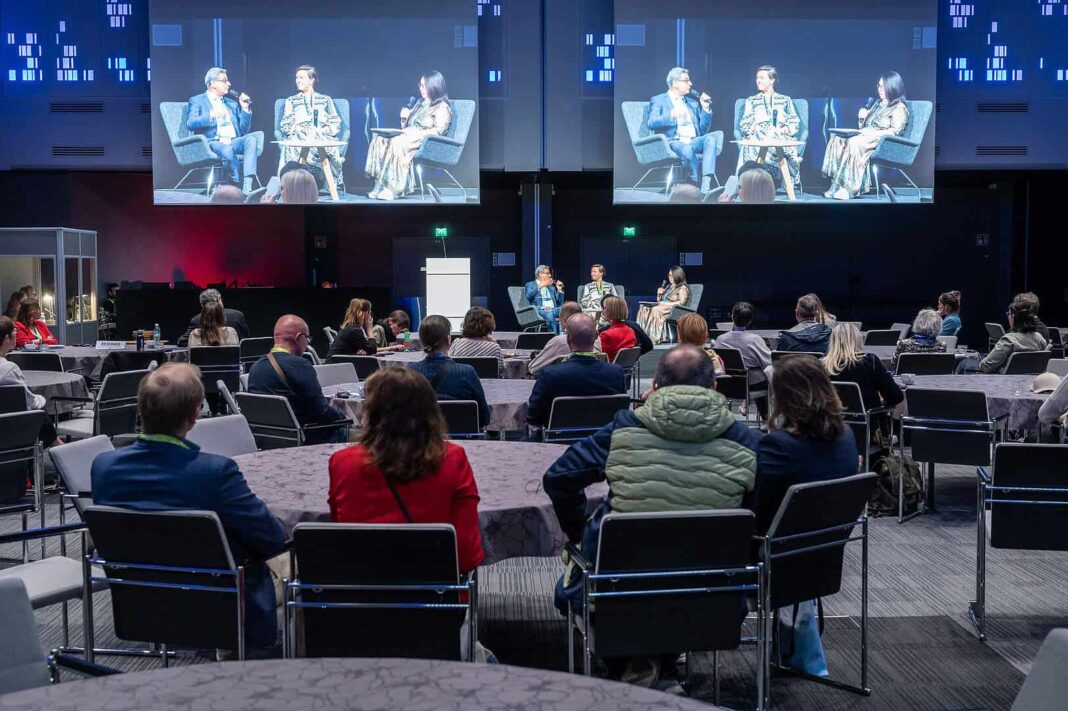

Helsinki is strengthening its position as a sustainable international meetings destination with the launch of a new Legacy Toolkit designed to help event organisers deliver lasting benefits to local communities. Introduced by Helsinki Convention Bureau at IBTM World in Barcelona, the initiative provides practical guidance for creating meaningful social, economic and environmental outcomes from conferences, congresses and business events.
The launch reflects a growing shift within the global meetings industry towards events that contribute more than immediate visitor spending. As Finland celebrates its ninth consecutive year at the top of the World Happiness Report, Helsinki is connecting its reputation for wellbeing with a wider ambition to make international gatherings more valuable for residents, businesses and delegates.
Advertisement
Advertisement
The toolkit encourages organisers to identify opportunities for positive change throughout the planning process, supporting sustainable tourism development while reinforcing Helsinki’s growing influence in the international meetings and events sector.
Helsinki Introduces a Practical Framework for Event Legacy
Helsinki Convention Bureau has introduced the Helsinki Legacy Toolkit to help event planners move beyond traditional measures of event success. Rather than focusing exclusively on attendance, delegate satisfaction or economic activity during a conference, the framework encourages organisers to consider what their events can leave behind.
The toolkit provides a structured but flexible approach to identifying local opportunities and developing initiatives that benefit the host destination.
These benefits may include stronger professional networks, community engagement, knowledge exchange, environmental improvements and opportunities for local organisations.
Advertisement
Advertisement
A central principle is that meaningful legacy does not necessarily require substantial changes to an event’s original format. Instead, organisers can incorporate purposeful decisions at important stages of planning.
This approach makes legacy development more accessible to associations, professional congresses and corporate event planners with different budgets, objectives and operational requirements.
Why Event Legacy Is Becoming Important to the Global Meetings Industry
International conferences increasingly face expectations to demonstrate their value beyond the immediate event programme. Destinations and associations are paying closer attention to how meetings contribute to social progress, economic development and environmental responsibility.
Research commissioned by BestCities Global Alliance and the International Congress and Convention Association, as part of the 2026 Incredible Impacts research, highlights this changing perspective.
The findings indicate that 67% of associations would consider a destination they might otherwise overlook if it presented a compelling legacy opportunity.
This suggests that destinations offering credible opportunities for positive impact could become more attractive to international event organisers.
Advertisement
Advertisement
For Helsinki, the findings reinforce the importance of demonstrating how conferences can connect visiting delegates with local expertise, institutions and communities.
The initiative also reflects growing interest in purposeful experiences, professional connections and meaningful participation among business event attendees.
Finland’s Happiness Reputation Shapes Helsinki’s Meetings Strategy
Finland’s position at the top of the World Happiness Report for nine consecutive years provides an important context for Helsinki’s approach to international events.
The city is using this reputation to encourage organisers to think more carefully about the relationship between business events and community wellbeing.
Rather than treating happiness as a promotional slogan, the Helsinki Legacy Toolkit seeks to connect wellbeing with practical event planning decisions.
These decisions can support opportunities for learning, collaboration, social inclusion and community participation.
Advertisement
Advertisement
Helsinki Convention Bureau believes that events should provide meaningful experiences for delegates while creating benefits for the destination.
The approach also recognises that the value of a conference extends beyond its formal sessions.
Interactions between international participants, local professionals and community organisations can create relationships and opportunities that continue after an event concludes.
Helsinki Positions International Events as Platforms for Innovation
An important element of the Helsinki Legacy Toolkit is its focus on developing initiatives that respond to the strengths and needs of the host destination.
Helsinki sees international events as potential platforms for testing new approaches to social, economic and environmental challenges.
The city aims to provide opportunities for organisers and local partners to develop and pilot legacy initiatives within the Helsinki Region.
Advertisement
Advertisement
Successful initiatives could potentially be adapted or expanded across Europe and other international markets.
This ambition reflects the city’s interest in connecting international knowledge with local innovation.
For professional associations and congress organisers, such collaboration could strengthen the relevance of their events by creating opportunities to apply sector expertise in practical settings.
However, the success of individual initiatives will depend on clear objectives, effective partnerships and the ability to evaluate results over time.
Helsinki’s Sustainability Rankings Strengthen Its International Appeal
Helsinki already holds a recognised position within the international meetings industry.
According to the Union of International Associations, the Finnish capital ranked 20th among the world’s most popular meeting cities in 2025.
Advertisement
Advertisement
The destination has also secured first place in the Global Destination Sustainability Index for three consecutive years.
These achievements provide important context for the introduction of the Legacy Toolkit.
They demonstrate Helsinki’s established presence in the international congress market and its sustained emphasis on destination sustainability.
For international associations evaluating potential conference locations, sustainability credentials can form part of a wider assessment covering infrastructure, accessibility, destination expertise and opportunities for meaningful engagement.
The toolkit adds another dimension by encouraging organisers to consider the longer-term outcomes of their events.
It also gives Helsinki an opportunity to distinguish its meetings proposition through measurable community and destination benefits.
Advertisement
Advertisement
Regional Collaboration Supports Helsinki’s Long-Term Event Ambitions
The Helsinki Legacy Toolkit was developed through the KOKEMO project, a regional collaboration involving Espoo, Helsinki and Vantaa.
The project seeks to position the Helsinki Region as an international benchmark for event impact and measurable legacy.
This regional approach recognises that the benefits of international events can extend beyond the boundaries of a single city.
Professional networks, educational institutions, businesses and community organisations across the wider region may all contribute to legacy initiatives.
Collaboration between the three cities also creates opportunities to share expertise and develop more coordinated approaches to event planning.
The initiative aligns with Helsinki’s city strategy for 2025–2029, which identifies the attraction of international events and congresses as an important priority.
Advertisement
Advertisement
By connecting regional development with international meetings, Helsinki is seeking to strengthen its competitiveness while supporting longer-term benefits for the destination.
What the Legacy Toolkit Means for Event Planners and Business Travellers
For event organisers, the Helsinki Legacy Toolkit offers a practical starting point for incorporating positive impact into conference planning.
It encourages planners to identify relevant local strengths, consider stakeholder priorities and select initiatives that align with an event’s purpose.
This could help associations develop programmes that connect professional discussions with wider community interests.
For business travellers, the approach may create opportunities to participate in events that offer meaningful engagement beyond conventional conference activities.
Knowledge sharing, professional collaboration and interaction with local organisations can strengthen the overall delegate experience.
Advertisement
Advertisement
For the wider tourism industry, the initiative illustrates how destinations can develop their meetings sectors while placing greater emphasis on sustainability and community value.
Importantly, the toolkit does not establish a guarantee of positive outcomes. Its effectiveness will depend on how organisers implement initiatives and assess their longer-term impact.
The Helsinki Legacy Toolkit represents a significant development in the Finnish capital’s approach to international meetings and sustainable tourism. By encouraging event organisers to consider lasting social, economic and environmental benefits, Helsinki is seeking to strengthen the relationship between global conferences and local communities. Supported by regional collaboration, recognised sustainability credentials and the city’s wider development strategy, the initiative offers a practical framework for more purposeful events. As international associations increasingly consider legacy when selecting destinations, Helsinki’s approach could provide a useful example of how the meetings industry can combine commercial activity with meaningful, longer-term destination value.