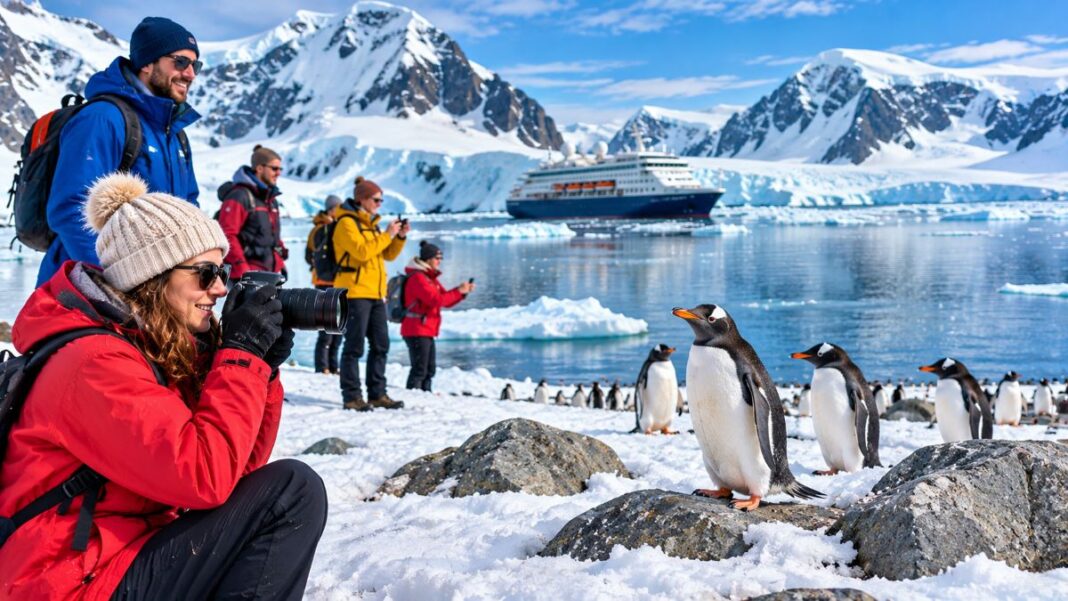

Antarctica, Nepal, Indonesia and some of the world’s most isolated islands are gaining attention as travellers search for extraordinary experiences beyond crowded holiday destinations. From frozen polar landscapes to Himalayan settlements and remote tropical archipelagos, these places offer adventure, tranquillity and cultural discovery. New European Travel Commission research reveals that 44% of surveyed travellers prefer less-popular destinations, while another 10% favour remote locations. The findings suggest growing interest in alternative tourism experiences, although they do not establish a worldwide surge in actual arrivals. For visitors, the attraction of difficult-to-reach places comes with important challenges involving transport, safety, conservation and costs.
Remote Travel Destinations Gain Momentum as Tourists Seek Unusual Experiences
Interest in remote tourism is growing as some travellers reconsider what makes a holiday memorable. Instead of concentrating exclusively on famous cities and established resorts, visitors are exploring quieter regions, isolated islands and landscapes that require more planning to reach.
Advertisement
Advertisement
The European Travel Commission’s November 2026 research provides evidence of this changing preference. Its survey found that 44% of respondents favoured destinations less popular with tourists, an increase of four percentage points from the previous year. Another 10% preferred remote or off-the-beaten-track locations.
However, the figures represent travel preferences among surveyed European markets rather than confirmed international arrivals. The findings indicate diversification in holiday interests, not the disappearance of mainstream tourism.
Antarctica Expedition Travel Offers an Extraordinary Polar Adventure
Antarctica remains one of the world’s most distinctive expedition destinations. Its enormous glaciers, ice-covered mountains, penguin colonies and remote marine environments attract visitors interested in nature and polar exploration.
Many conventional expedition cruises depart from Ushuaia in Argentina, providing access to the Antarctic Peninsula during the Southern Hemisphere summer.
Advertisement
Advertisement
The journey involves crossing challenging waters, and landings depend on weather, sea conditions and environmental restrictions.
Visitors may explore coastal locations using small expedition boats, observe wildlife and learn about the region’s scientific importance.
However, Antarctica is a fragile environment. Tourism activities must follow applicable environmental regulations and responsible visitor practices.
Travellers should also consider the cost of expedition cruises, specialist insurance and the possibility of schedule changes caused by severe weather.
Nepal Upper Mustang Attracts Travellers Seeking Himalayan Isolation
Upper Mustang in Nepal offers a distinctive combination of high-altitude desert landscapes, mountain scenery and Tibetan-influenced cultural heritage.
The region is recognised for its ancient settlements, monasteries and dramatic surroundings.
Advertisement
Advertisement
Unlike conventional Himalayan trekking destinations, Upper Mustang requires additional preparation because of its restricted-area travel arrangements.
Visitors must check current permit requirements and authorised guiding conditions before departure.
Mountain roads and regional transport services can also be affected by weather and seasonal conditions.
For travellers interested in cultural exploration, the region provides opportunities to discover communities whose traditions have developed within a remote mountain environment.
However, visitors should respect local customs, religious sites and community regulations. The region’s cultural significance requires responsible tourism rather than treating isolation as a commercial attraction.
Raja Ampat Indonesia Draws Nature Enthusiasts With Spectacular Marine Biodiversity
Raja Ampat, located in Indonesia’s Southwest Papua region, is recognised for its remarkable marine biodiversity and tropical island landscapes.
Advertisement
Advertisement
The archipelago attracts divers, snorkellers and travellers interested in coral reefs, limestone islands and marine conservation.
Visitors commonly travel through Sorong before continuing towards the islands by boat.
The journey requires careful coordination because transport schedules, sea conditions and accommodation availability can affect travel arrangements.
Marine tourism provides opportunities for local communities through guiding, accommodation and transportation services.
However, the region’s ecological sensitivity makes responsible visitor behaviour essential.
Travellers should follow conservation regulations, avoid damaging coral reefs and choose operators that respect protected marine environments.
Advertisement
Advertisement
The destination demonstrates how remote tourism can combine extraordinary natural experiences with important conservation responsibilities.
Tristan da Cunha Offers One of the World’s Most Isolated Island Experiences
Tristan da Cunha, situated in the South Atlantic Ocean, is among the world’s most geographically isolated inhabited islands.
The British Overseas Territory has no airport, meaning visitors must travel by ship.
Most passenger journeys begin in Cape Town, South Africa, with the sea crossing taking approximately six days or longer depending on weather conditions.
Limited sailing opportunities make advance planning essential. Visitors must also arrange permission and accommodation before travelling.
The island’s volcanic landscapes and small community provide an unusual destination experience.
Advertisement
Advertisement
However, rough seas can prevent vessels from landing, and transport schedules may change unexpectedly.
The island’s isolation also means that medical facilities and emergency transport options are limited. Travellers should therefore understand the practical risks before committing to a journey.
Pitcairn Islands Present an Extraordinary Challenge for Adventure Travellers
The Pitcairn Islands in the South Pacific offer another example of remote tourism shaped by limited transport connections.
Pitcairn has no airport. Visitors generally travel through French Polynesia before continuing by supply vessel from Mangareva.
The island’s dramatic coastal scenery, maritime history and small community attract travellers interested in unusual destinations.
However, passenger sailings are limited, and transfers from ships to shore depend on sea conditions.
Advertisement
Advertisement
The United Kingdom’s official travel guidance warns that serious medical emergencies may require evacuation by boat to another island before onward treatment becomes possible.
Visitors should also exercise caution when exploring steep trails and unstable coastal areas.
The destination offers a distinctive experience, but reaching it requires careful preparation, flexible schedules and realistic expectations about available services.
Why Difficult Access Is Becoming Part of the Adventure Tourism Experience
For some travellers, reaching an isolated destination represents an achievement in itself.
Long sea crossings, mountain journeys and complicated transport connections create experiences very different from conventional package holidays.
These journeys can encourage visitors to spend more time exploring individual destinations rather than moving rapidly between attractions.
Advertisement
Advertisement
However, difficult access also increases the risk of missed connections, unexpected expenses and prolonged travel delays.
Remote locations may have limited accommodation, healthcare and emergency response facilities.
Travellers should therefore consider comprehensive insurance, suitable equipment and flexible itineraries.
The appeal of isolation must be balanced against practical safety requirements. A destination’s remoteness can make it memorable, but it can also make even minor travel problems considerably more difficult to resolve.
Remote Tourism Creates New Opportunities for Small Communities
Remote tourism can provide economic opportunities for communities that receive relatively few visitors.
Local accommodation providers, guides, transport operators and small businesses may benefit when travellers spend time exploring isolated regions.
Advertisement
Advertisement
Tourism can also support cultural preservation and conservation initiatives when activities are managed responsibly.
However, increased visitor numbers can create pressure on limited infrastructure, water supplies, waste management and sensitive ecosystems.
Small communities may lack the resources required to accommodate sudden increases in tourism demand.
The challenge is therefore not simply attracting more visitors. It is ensuring that tourism development supports residents and protects local environments.
Responsible operators and carefully managed visitor numbers can help destinations balance economic opportunities with long-term sustainability.
European Travel Research Highlights Growing Interest in Quieter Destinations
The European Travel Commission’s November 2026 findings suggest that interest in less-visited locations is becoming more important in holiday planning.
Advertisement
Advertisement
The research found that 76% of surveyed Europeans intended to take an overnight trip between October 2026 and March 2027.
Meanwhile, 47% continued to favour established destinations with recognised attractions.
This demonstrates that mainstream tourism remains important even as interest in alternative locations increases.
The survey also identified safety, stable weather and affordability as important considerations influencing destination selection.
These findings suggest that travellers are not simply choosing the most isolated places available. Many are looking for destinations that offer distinctive experiences while remaining practical and safe.
Remote tourism therefore represents one part of a broader shift towards more varied holiday choices.
Advertisement
Advertisement
What International Travellers Should Know Before Booking Remote Holidays
Planning a remote holiday requires greater preparation than booking a conventional city break.
Travellers should confirm entry requirements, transport schedules, accommodation availability and local regulations before making financial commitments.
Some destinations require special permits or advance authorisation.
Others depend on infrequent ships, small aircraft or weather-sensitive road connections.
Healthcare access is another important consideration, particularly in polar regions, isolated islands and high-altitude communities.
Travel insurance should provide suitable coverage for the activities and locations included in the itinerary.
Advertisement
Advertisement
Visitors should also understand conservation requirements and respect local cultural practices.
Flexible travel arrangements can help reduce disruption when weather or transport conditions change unexpectedly.
Conclusion: Remote Travel Destinations Redefine the Meaning of Global Adventure
Remote Travel Destinations are attracting growing interest as visitors seek tranquillity, extraordinary landscapes and experiences beyond conventional tourism routes. Antarctica, Nepal, Indonesia, Tristan da Cunha and Pitcairn offer distinctive opportunities for exploration, but each presents significant logistical challenges. The latest European travel research indicates stronger interest in lesser-known places, although mainstream destinations remain popular. For travellers, successful journeys depend on careful planning, appropriate insurance and respect for local communities. For destinations, the priority is balancing tourism opportunities with conservation and infrastructure limits. The future of remote tourism will depend on protecting the qualities that make these extraordinary places worth visiting.