
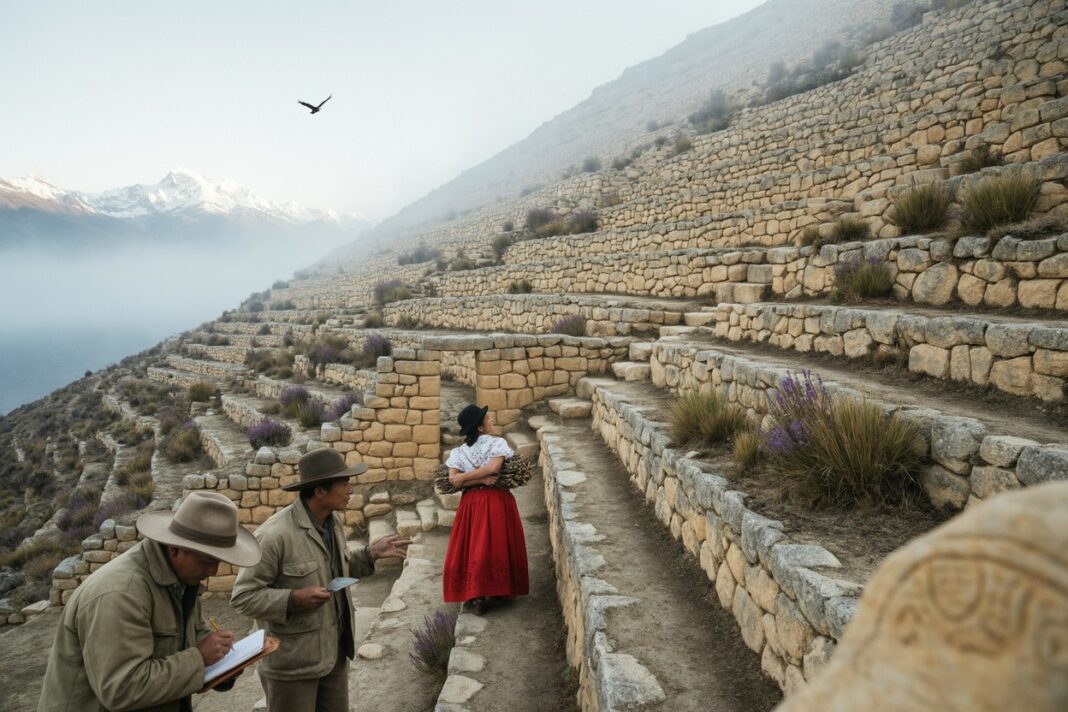

Peru, Mexico, Guatemala, Belize, Honduras, Bolivia, Colombia, and Chile remain Latin America’s premier destinations for archaeological tourism in 2026. Supported by major pre-Columbian monuments, ongoing LiDAR discoveries, upgraded rail corridors, and stricter conservation policies, these nations continue to draw millions of travelers seeking direct encounters with ancient civilizations.
From the misty granite terraces of the Peruvian Andes to the limestone pyramids rising above the Yucatán jungle, ancient history remains the primary economic engine for tourism across much of Latin America. While beach resorts and eco-lodges compete for international attention, government tourism boards and archaeological institutes report sustained global demand for pre-Columbian heritage. Travelers are increasingly bypassing conventional sightseeing in favor of deeper, research-backed historical immersion—a shift accelerated by new archaeological discoveries, improved regional transit, and stricter site preservation rules.
Advertisement
Advertisement
Top Latin American Destinations for Archaeological & Ancient History Tourism
| Country | Primary Civilizations | Flagship Archaeological Sites | Core Tourism Positioning & Infrastructure | Best Time to Visit |
| Peru | Inca, Moche, Nazca, Chimu, Caral-Supe, Chachapoyas | Machu Picchu, Sacred Valley (Ollantaytambo, Pisac), Nazca Lines, Chan Chan, Caral, Kuelap | Global Flagship: Archaeological heritage is the #1 driver of inbound tourism. Features high-end rail networks, strict timed-entry conservation circuits, and world-class museums (e.g., Larco Museum). | May – September (Andean dry season) |
| Mexico | Maya, Aztec (Mexica), Teotihuacano, Zapotec, Toltec, Olmec | Chichén Itzá, Teotihuacán, Palenque, Tulum, Uxmal, Monte Albán, Calakmul, Templo Mayor | High-Volume Powerhouse: Over 190 public archaeological zones managed by INAH. Combines massive accessibility (Cancún/Riviera Maya, Mexico City) with the Tren Maya rail corridor and UNESCO biosphere sites. | November – April (Dry season across Yucatán and Central Highlands) |
| Guatemala | Maya | Tikal, El Mirador, Yaxhá, Quiriguá, Iximché | Heartland of the Classic Maya: Positioned for immersive, jungle-canopy archaeology and living Maya culture. Offers both accessible park infrastructure (Tikal) and multi-day wilderness treks to unexcavated megacities (El Mirador). | November – April (Dry season in Petén) |
| Belize | Maya | Caracol, Xunantunich, Lamanai, Altun Ha, Actun Tunichil Muknal (ATM Cave) | Eco-Archaeology & Cave Rituals: English-speaking, compact, and easily navigable. Uniquely positioned for ceremonial cave archaeology (ATM Cave) and river-boat access to jungle temples (Lamanai). | December – April |
| Honduras | Maya | Copán | Artistic Capital of the Maya World: Though smaller in overall site count, Copán remains an indispensable destination for historians due to its intricate high-relief stelae, Hieroglyphic Stairway, and subterranean tunnel tours. | November – April |
| Bolivia | Tiwanaku, Inca | Tiwanaku, Samaipata (El Fuerte), Isla del Sol (Lake Titicaca) | Pre-Inca Andean Origins: Positioned for budget-friendly, high-altitude cultural immersion. Tiwanaku represents one of South America’s most influential pre-Inca empires, paired with sacred Inca origin sites on Lake Titicaca. | May – October (Altiplano dry season) |
| Colombia | Tairona, San Agustín, Tierradentro, Muisca | Ciudad Perdida (Lost City), San Agustín Archaeological Park, Tierradentro | Adventure & Megalithic Trekking: Positioned as an off-the-beaten-path alternative. Combines multi-day jungle treks in the Sierra Nevada (Ciudad Perdida) with South America’s largest concentration of pre-Columbian megalithic statues and subterranean painted tombs. | December – March & July – August |
| Chile | Rapa Nui, Atacameño, Inca | Rapa Nui National Park (Easter Island), Tulor Village, Pukará de Quitor | Remote Polynesian & Desert Heritage: Rapa Nui (Easter Island) anchors Chile’s archaeological prestige with nearly 1,000 monumental moai statues, complemented by ancient oasis fortresses in the Atacama Desert. | October – April (Rapa Nui & Ata |
Which Countries Still Lead Latin America’s Archaeological Tourism Market?
Peru and Mexico continue to dominate the region in both visitor volume and heritage infrastructure. In Peru, Inca landmarks such as Machu Picchu, Ollantaytambo, and Saqsaywaman remain the undisputed centerpiece of national tourism, reinforced by pre-Inca wonders like the Nazca Lines, Chan Chan, and the ancient coastal city of Caral. Mexico matches that scale with more than 190 public archaeological zones managed by its National Institute of Anthropology and History (INAH), spanning Maya, Aztec, Teotihuacano, and Zapotec centers including Chichén Itzá, Teotihuacán, Palenque, and Monte Albán. Meanwhile, Guatemala, Belize, and Honduras anchor the heartland of the Classic Maya world through Tikal, Caracol, and Copán. Further south, Bolivia’s Tiwanaku, Colombia’s Ciudad Perdida and San Agustín megaliths, and Chile’s Rapa Nui (Easter Island) capture travelers looking for high-altitude, jungle-trekking, or remote island archaeology. Together, these eight nations form the backbone of Latin America’s historical travel sector.
How Are Recent Discoveries Reshaping Heritage Travel in 2026?
Fresh archaeological breakthroughs are actively expanding traditional tourist circuits beyond crowded flagship ruins. In Mexico, INAH researchers recently unveiled unprecedented Early Classic ruins near Coatepec in Veracruz—complete with a rare circular stone platform and a carved monolith depicting elite ritual water offerings—prompting federal restoration funding aimed at boosting regional cultural tourism. Simultaneously, airborne LiDAR scanning across Guatemala’s Petén Basin and Mexico’s Calakmul Biosphere Reserve continues to map previously hidden Maya causeways, reservoirs, and urban settlements, including intact sites like Minanbé. In South America, ongoing scientific debates surrounding Chile’s Monte Verde site—one of the oldest known human settlements in the Americas—have renewed academic and public fascination with early migration routes. Rather than treating ancient sites as static open-air museums, tourism operators are increasingly marketing active excavation zones and newly reopened pyramids, such as Nohoch Mul at Cobá, to repeat cultural travelers.
Why Are Governments Tightening Access at Flagship Monuments?
Record visitor footfall has forced heritage authorities to prioritize structural preservation over unrestricted mass tourism. Across Peru and Mexico, unregulated climbing, soil erosion, and humidity fluctuations inside enclosed chambers previously threatened irreplaceable stonework and murals. In response, Peru’s Ministry of Culture enforces strict daily capacity limits, timed-entry tickets, and fixed one-way walking circuits across Machu Picchu to prevent bottlenecks and protect fragile terraces. Mexican authorities have adopted similar crowd-management protocols at Chichén Itzá and Teotihuacán, pairing timed reservations with dynamic pricing and off-peak shoulder-season promotions. In Colombia, access to Ciudad Perdida remains tightly regulated through licensed local guides and Indigenous community quotas in the Sierra Nevada de Santa Marta, while Chile’s Rapa Nui National Park mandates certified local escorts for visitors viewing its monumental moai statues. Industry analysts note that while these rules require travelers to book months ahead, they significantly improve on-site experience and long-term monument survival.
What Infrastructure and Travel Trends Are Defining the Sector?
Modern transit links and customized itineraries are transforming how visitors connect multiple ancient sites in a single trip. In southern Mexico, the Tren Maya rail corridor has altered regional logistics by linking Caribbean coastal hubs directly to inland archaeological zones across Yucatán, Campeche, and Chiapas. Across Central America, tour operators increasingly package cross-border “Mundo Maya” routes combining Mexico, Guatemala, Belize, and Honduras, while Andean itineraries pair Cusco and the Sacred Valley with Lake Titicaca and Bolivia’s Tiwanaku. Travel intelligence data from 2026 also shows a decisive move away from rushed, generic bus tours toward slower “micro-itineraries” that blend archaeology with local gastronomy, living Indigenous traditions, and nature conservation. As air connectivity stabilizes and travelers seek meaningful, educational journeys, Latin America’s ancient civilizations remain not just relics of the past, but the region’s most resilient competitive advantage in global tourism.
Key Trends Shaping Archaeological Tourism
- Visitor Management & Digital Ticketing: Major destinations like Peru (via the Ministry of Culture’s
tuboleto.cultura.peplatform) and Mexico have enforced strict daily capacity caps, timed entry slots, and designated one-way circuits at flagship monuments to prevent structural erosion. - LiDAR-Driven Discoveries: Recent airborne LiDAR surveys across Guatemala’s Petén Basin and Mexico’s Yucatán Peninsula continue to uncover thousands of previously unknown Maya causeways, reservoirs, and pyramids, fueling renewed interest in secondary sites like Yaxhá and Calakmul.
- Multi-Country Heritage Corridors: Tour operators increasingly market integrated regional routes—such as the Mundo Maya circuit (linking southern Mexico, Guatemala, Belize, and Honduras) and the Andean Route (linking Peru’s Cusco region with Lake Titicaca and Bolivia’s Tiwanaku).
Latin America’s archaeological boom stems from a clear cause. Modern travelers want authentic, meaningful experiences rather than generic beach vacations. The answer lies in eight heritage powerhouses—Peru, Mexico, Guatemala, Belize, Honduras, Bolivia, Colombia, and Chile—which pair monumental ruins with upgraded transit and strict preservation rules. New LiDAR discoveries, smoother rail links, and protected entry circuits keep these ancient sites accessible yet safe. Ultimately, the reason these destinations endure is simple. Pre-Columbian empires offer unmatched mystery, living Indigenous traditions, and irreplaceable history, making ancient cities Latin America’s strongest competitive asset in global tourism.

