
Malta joins Spain, Portugal and Greece as Europe’s off-season travel boom accelerates, revealing a remarkable shift in holiday preferences. Travelers are increasingly escaping crowded summer destinations for cultural discoveries, milder weather and memorable winter experiences. Poland and Slovakia are also gaining international attention. Recent European Travel Commission findings show that 76% of surveyed Europeans intend to travel between October 2026 and March 2027. This growing interest presents fresh opportunities for destinations seeking year-round tourism. From Mediterranean coastlines to historic cities, changing travel habits are creating new possibilities for local economies, hospitality businesses and visitors exploring Europe beyond traditional summer holidays.
European Countries Gaining Attention for Off-Season Tourism in 2026
| Country | Key destinations | Best off-season window | Main attractions | Evidence and 2026 outlook |
|---|---|---|---|---|
| Malta | Valletta, Mdina, Gozo | November–April | Heritage, Mediterranean weather, coastal walks | Strong evidence. Arrivals +18% in ETC’s latest 2026 reporting; accommodation nights +9.9% in H1 |
| Slovakia | Bratislava, Košice, High Tatras | October–November; January–March | Affordable city breaks, thermal spas, mountain tourism | Strong emerging market. Arrivals +15% in latest ETC reporting |
| Poland | Kraków, Warsaw, Gdańsk, Wrocław | October–March | Historic cities, Christmas markets, culture | Arrivals +11% in latest ETC reporting; Q2 accommodation nights +5% |
| Ireland | Dublin, Galway, Cork, Wild Atlantic Way | September–November; March–May | Cultural tourism, coastal drives, festivals | Arrivals +13% in latest ETC reporting; H1 accommodation nights +14.6% |
| Lithuania | Vilnius, Kaunas, Druskininkai | September–November; December–March | Historic centres, wellness, quieter city breaks | Q2 accommodation nights +9.8%; relatively low seasonality |
| Spain | Seville, Valencia, Málaga, Canary Islands | October–April | Winter sun, architecture, culture | Arrivals +5% in latest ETC reporting; established year-round demand |
| Portugal | Lisbon, Porto, Madeira, Algarve | October–May | Mild climate, wine tourism, coastal experiences | Established shoulder-season option; Q2 accommodation nights +0.9% |
| Greece | Athens, Thessaloniki, Crete, Peloponnese | March–May; October–November | Archaeology, walking, food culture | High opportunity, but still strongly summer-dependent; 42% of 2025 nights in July–August |
| Croatia | Dubrovnik, Split, Istria, Zagreb | April–May; September–October | Heritage, walking, coastal scenery | Major season-extension opportunity; 55% of 2025 nights in July–August |
| Slovenia | Ljubljana, Lake Bled, Maribor | April–May; September–November | Lakes, nature, wellness, outdoor tourism | Q2 accommodation nights +4.5%; promising for shoulder-season itineraries |
| Austria | Vienna, Salzburg, Innsbruck | October–December; March–May | Museums, classical music, alpine experiences | Established multi-season tourism; just 24–25% of annual nights in July–August |
| Finland | Helsinki, Rovaniemi, Finnish Lakeland | November–March; September–October | Northern Lights, Arctic experiences, saunas | Strong winter proposition; arrivals +14.1% in 2025 reporting |
| Norway | Tromsø, Bergen, Oslo, Lofoten | September–March | Northern Lights, fjords, winter landscapes | Arrivals +12.9% in 2025 reporting; year-round diversification |
| Sweden | Stockholm, Gothenburg, Swedish Lapland | September–March | Design, culture, winter nature | Northern European demand growth; Q2 nights +2.7% |
| Albania | Tirana, Berat, Gjirokastër, Riviera | April–May; September–October | Cultural towns, mountains, Adriatic coast | Q2 accommodation nights +8.4%; strong potential, though still highly seasonal |
| Montenegro | Kotor, Budva, Cetinje, Durmitor | April–May; September–October | Historic towns, mountain landscapes | Arrivals +10% in ETC’s latest reporting; highly seasonal market |
Why Is Europe Experiencing Growing Interest in Off-Season Tourism?
Europe’s tourism industry is gradually moving beyond its traditional dependence on summer vacations. Travelers are increasingly exploring destinations during autumn, winter and early spring, when cultural attractions and outdoor experiences offer different opportunities from those available during peak summer.
According to the European Travel Commission’s November 2026 findings, 76% of surveyed Europeans plan to travel during the autumn and winter period. Approximately 64% intend to travel within Europe, demonstrating continued interest in regional tourism.
The survey also highlights changing holiday preferences. City breaks account for 19% of intended trips, while cultural and heritage experiences and sun-and-beach vacations each represent 18%.
These findings suggest that travelers are increasingly considering destinations based on experiences rather than conventional holiday calendars.
However, off-season tourism does not mean the same thing across Europe. Mediterranean countries attract visitors seeking mild weather, while Northern European destinations benefit from winter landscapes and Arctic experiences.
Advertisement
Advertisement
This geographical diversity is helping tourism operators develop more varied seasonal offerings.
How Is Malta Emerging as a Major Destination for Year-Round European Tourism?
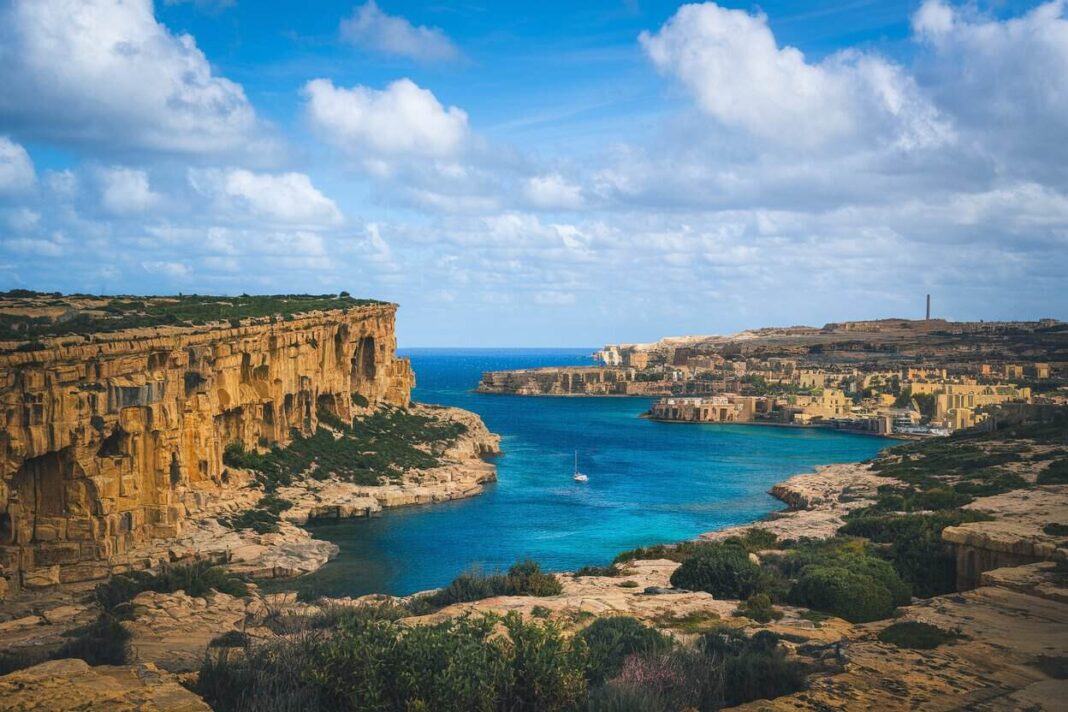
Malta is becoming one of Europe’s most interesting examples of tourism extending beyond the summer months. Its Mediterranean climate, historic architecture and compact geography make the island nation suitable for cultural vacations throughout much of the year.
Advertisement
Advertisement
The European Travel Commission’s third-quarter 2026 report recorded an 18% increase in international tourist arrivals for Malta in its latest reporting period. Although this figure represents overall tourism growth rather than off-season arrivals specifically, it highlights the country’s expanding international appeal.
Valletta, Mdina and Gozo offer travelers opportunities to explore historic streets, coastal landscapes and cultural attractions without depending entirely on traditional beach activities.
Malta also has a relatively balanced tourism calendar. Eurostat data indicates that approximately 22% of its annual tourist accommodation nights in 2025 occurred during July and August.
This comparatively low summer concentration distinguishes Malta from several Mediterranean competitors and strengthens its position as an established year-round destination.
Advertisement
Advertisement
Why Are Poland and Slovakia Attracting Greater Attention From European Travelers?
Poland and Slovakia are gaining attention as travelers explore alternatives to Europe’s most established tourism destinations. Both countries offer historic cities, cultural attractions and opportunities for nature-based vacations.
The European Travel Commission reported international arrival growth of approximately 11% for Poland and 15% for Slovakia in its latest 2026 reporting. These increases indicate broader tourism momentum, although they do not independently establish off-season growth.
Poland’s Kraków, Warsaw, Gdańsk and Wrocław attract visitors interested in architecture, museums, historical landmarks and seasonal cultural experiences.
Slovakia offers a different combination of attractions. Bratislava provides an accessible urban getaway, while the High Tatras support mountain tourism and winter recreation.
Thermal spas and wellness facilities also provide alternatives to conventional summer holidays.
For travelers considering shorter European vacations, both countries offer varied experiences across multiple seasons. Their growing international visibility could support tourism development beyond the busiest travel periods.
Advertisement
Advertisement
How Are Spain and Portugal Strengthening Their Appeal During Autumn and Winter?
Spain and Portugal remain important destinations for travelers seeking Mediterranean and Atlantic experiences outside the traditional summer season.
Spain’s Seville, Valencia, Málaga and Canary Islands provide different options for winter visitors. Historic neighborhoods, museums, architectural landmarks and coastal environments support tourism activities across several months.
The European Travel Commission reported approximately 5% growth in international tourist arrivals to Spain in its latest 2026 assessment, demonstrating the country’s continued importance within Europe’s tourism market.
Portugal offers similar opportunities through Lisbon, Porto, Madeira and the Algarve. Visitors can explore historic districts, vineyards, coastal walking routes and cultural attractions during spring and autumn.
Both countries benefit from established international air connections and extensive accommodation infrastructure.
However, prices and visitor numbers vary significantly between destinations. Popular cities and winter-sun resorts can remain busy even outside summer.
Advertisement
Advertisement
Their principal advantage lies in the diversity of experiences available throughout the year, rather than any guarantee of lower costs or fewer tourists.
Why Are Greece and Croatia Seeking to Extend Their Tourism Seasons?
Greece and Croatia represent two of Europe’s most important opportunities for reducing dependence on peak summer tourism.
Both countries attract substantial numbers of visitors during July and August, particularly to their coastal destinations and islands.
Eurostat data shows that approximately 42% of Greece’s annual tourist accommodation nights in 2025 occurred during these two months. Croatia recorded an even higher concentration of approximately 55%.
These figures demonstrate the importance of summer demand to both tourism economies.
However, Greece offers archaeological attractions, historic cities, mountain landscapes and cultural experiences that can support travel during spring and autumn.
Advertisement
Advertisement
Athens, Thessaloniki and the Peloponnese provide alternatives to traditional island vacations.
Croatia’s Dubrovnik, Split, Zagreb and Istria similarly offer heritage tourism, cultural attractions and scenic experiences outside the busiest coastal season.
Extending tourism activity could help accommodation providers, restaurants and local businesses generate revenue across more months while reducing pressure on heavily visited summer destinations.
How Are Finland, Norway and Sweden Transforming Winter Into a Major Tourism Attraction?
Northern Europe demonstrates why off-season tourism cannot be measured solely by the decline in summer travel.
For Finland, Norway and Sweden, winter is an important tourism season supported by distinctive natural attractions.
Finland’s Lapland region attracts visitors interested in snowy landscapes, Northern Lights viewing, winter activities and Arctic experiences. Rovaniemi has become internationally associated with winter holidays and seasonal tourism.
Advertisement
Advertisement
Norway offers Northern Lights experiences around Tromsø, alongside winter landscapes, coastal scenery and outdoor recreation.
Sweden provides similar opportunities through Swedish Lapland, while Stockholm and Gothenburg support cultural city tourism.
These destinations illustrate how seasonal conditions can create tourism demand rather than restrict it.
Unlike Mediterranean countries seeking to attract more winter visitors, Northern European destinations already have established winter tourism products.
Their challenge increasingly involves managing visitor flows, protecting sensitive natural environments and ensuring that tourism development benefits local communities without compromising the landscapes that attract international travelers.
What Does Europe’s Off-Season Tourism Growth Mean for Travelers and Local Economies?
The expansion of off-season travel presents opportunities for both visitors and destinations.
Advertisement
Advertisement
Travelers may find greater flexibility when planning cultural vacations, city breaks and nature-based experiences outside the busiest summer weeks.
However, lower prices are not guaranteed. Accommodation rates, flight availability and operating schedules depend on local demand and seasonal conditions.
For tourism businesses, a more balanced visitor calendar can create opportunities to maintain employment, improve infrastructure utilization and generate revenue across additional months.
The European Travel Commission projects that the difference between Europe’s busiest and quietest tourism quarters will narrow by 2027 compared with historical levels.
Central and Eastern Europe is expected to experience particularly noticeable improvements in seasonal balance.
This development could benefit destinations that traditionally receive fewer international visitors outside summer.
Advertisement
Advertisement
Nevertheless, tourism authorities must address transport connectivity, attraction opening hours and sustainable visitor management.
Successful season extension requires more than marketing. Destinations need reliable services, accessible experiences and infrastructure that supports visitors throughout the year.
Which European Countries Could Benefit Most From Off-Season Tourism in 2027?
Looking toward 2027, Europe’s off-season tourism opportunities are likely to differ substantially between regions.
Malta appears well positioned because of its relatively balanced tourism calendar and strong recent international arrivals growth.
Poland and Slovakia could benefit from growing interest in cultural city breaks, wellness experiences and destinations beyond Europe’s established tourism centers.
Spain and Portugal remain attractive for travelers seeking winter sunshine, historic cities and Atlantic or Mediterranean coastal experiences.
Advertisement
Advertisement
Greece and Croatia face a different opportunity: converting some of their considerable summer appeal into sustainable spring and autumn demand.
Meanwhile, Finland, Norway and Sweden are positioned to benefit from continued interest in Arctic landscapes and winter experiences.
The European Travel Commission’s latest travel sentiment findings also suggest increased interest in February and March 2027.
However, future demand will depend on economic conditions, transportation costs, weather and traveler confidence.
Countries that successfully combine accessibility, distinctive attractions and reliable year-round tourism services could gain the greatest long-term benefits.
How Is Off-Season Tourism Reshaping the Future of European Travel?
Europe’s expanding off-season tourism market reflects a broader shift in how travelers choose destinations and plan vacations.
Advertisement
Advertisement
Rather than concentrating exclusively on summer beaches and established holiday resorts, visitors are considering cultural experiences, winter landscapes, wellness retreats and historic cities throughout the year.
Malta, Poland and Slovakia illustrate the growing visibility of smaller tourism markets. Spain and Portugal demonstrate the continued importance of established destinations with varied seasonal attractions.
Greece and Croatia highlight the economic potential of reducing summer dependence, while Finland, Norway and Sweden show how winter can become a defining tourism advantage.
The latest European Travel Commission findings suggest that demand for travel outside summer is becoming an increasingly important part of Europe’s tourism outlook.
Nevertheless, stronger overall visitor arrivals should not automatically be interpreted as evidence of off-season growth in every country.
The long-term opportunity lies in developing tourism that distributes economic benefits more evenly, supports local communities and gives travelers meaningful reasons to visit Europe throughout the year.
Europe’s changing tourism landscape signals an important opportunity for destinations seeking greater economic stability throughout the year. Malta, Spain, Portugal and Greece offer attractive alternatives to traditional summer vacations through cultural attractions, historic landmarks and milder seasonal conditions. Meanwhile, Poland and Slovakia are gaining visibility among travelers interested in heritage and distinctive experiences. The growing appeal of autumn and winter holidays reflects changing visitor preferences and expanding destination choices. However, sustained growth will depend on affordable transportation, reliable tourism services and responsible destination management. Countries that successfully address these challenges could strengthen their competitiveness in Europe’s evolving tourism market.