Published on
March 4, 2026
By: Tuhin Sarkar

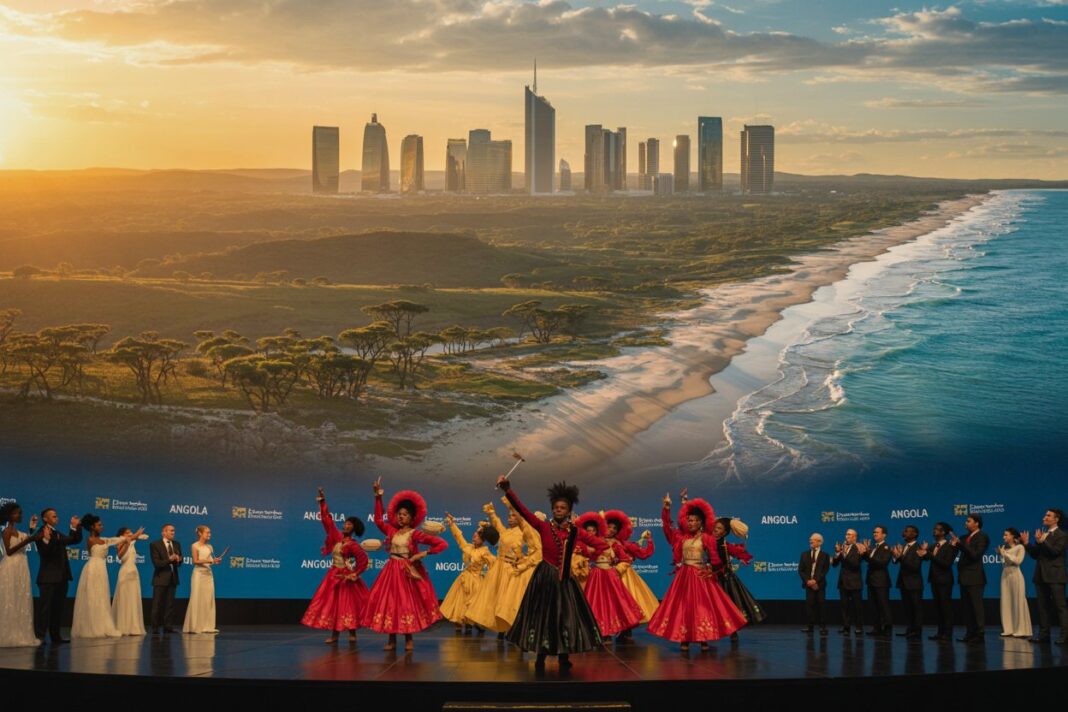
Image generated with Ai
The opening evening of ITB Berlin 2026 combined celebration, diplomacy and cultural storytelling as the global travel industry gathered to mark two milestones: the 60th anniversary of the world’s largest travel trade show and the presentation of Angola as the official host country. The gala event in Berlin showcased Angola’s tourism potential through music, multimedia performances and speeches highlighting the role of travel in strengthening international understanding.
Around 700 invited guests from across the global tourism sector attended the ceremony, which presented Angola under the theme “The Rhythm of Life.” The event introduced the country as an emerging destination for adventure travel, nature tourism and international business events.
At the same time, speakers emphasised the broader role of tourism in promoting dialogue and peace during a period marked by geopolitical tensions and regional conflicts.
Tourism as a Bridge in Challenging Times
Several speakers at the gala addressed the importance of travel as a force for cooperation between nations. Berlin’s Governing Mayor Kai Wegner and Germany’s Federal Government Commissioner for Tourism, Christoph Ploß, both stressed that tourism has the power to build connections even during periods of global uncertainty.
Advertisement
Advertisement
Their remarks referenced the ongoing conflict in the Middle East, which has raised concerns within the international travel community. Both leaders expressed hope that diplomatic efforts would bring a swift end to the hostilities.
Wegner highlighted that Berlin stands in solidarity with the Iranian people during the crisis and reiterated the city’s commitment to supporting dialogue and international cooperation.
Advertisement
Advertisement
Ploß echoed this message by describing tourism as a form of “quiet diplomacy.” While political tensions may divide governments, travel allows individuals and cultures to remain connected.
A Global Platform for Cooperation
Dr. Mario Tobias, Chief Executive Officer of Messe Berlin GmbH, emphasised the significance of ITB Berlin as a meeting place for the international tourism industry. In his speech, he pointed out that events such as ITB create opportunities for dialogue that extend far beyond commercial partnerships.
Advertisement
Advertisement
According to Tobias, the travel industry plays a vital role in fostering understanding between countries and communities. Even in difficult times, tourism platforms enable people from different regions to share ideas, build relationships and work toward peaceful coexistence.
During the ceremony, Tobias also accepted the UN Tourism Award on behalf of ITB Berlin. The award was presented by UN Tourism Secretary-General Shaikha Nasser Alnuwais, recognising the event’s long-standing contribution to global tourism development.
From Modest Beginnings to Global Influence
The 60th anniversary of ITB Berlin provided an opportunity to reflect on the trade show’s remarkable growth. When the first edition was held in 1966, the event featured just nine exhibitors representing five countries.
Over six decades, ITB Berlin has evolved into the world’s largest travel trade show, bringing together thousands of exhibitors and industry professionals from across the globe.
Wegner and Ploß both highlighted how ITB has served as a testing ground for new trends and innovations in tourism. The event has witnessed the transformation of travel over the years, from the rise of mass tourism to the emergence of digital booking platforms and sustainable travel practices.
Its continued success demonstrates the resilience of the tourism sector and its ability to adapt to changing global conditions.
Angola Presents Its Tourism Vision
As the official host country, Angola used the gala to introduce itself as a dynamic tourism destination with diverse experiences to offer international travellers.
José de Lima Massano, Angola’s Minister of State for Economic Development, addressed the audience and outlined the country’s ambitions to become a stronger player in the global tourism market.
He emphasised that Africa currently records some of the fastest tourism growth rates worldwide. Angola, he suggested, is well positioned to benefit from this momentum thanks to its unique combination of natural landscapes, cultural heritage and expanding infrastructure.
The country’s tourism strategy highlights adventure tourism and nature-based travel as key attractions. Angola’s landscapes include national parks, wildlife reserves and dramatic geological formations that remain relatively undiscovered by international travellers.
Beaches, Nature and Adventure
Massano also drew attention to Angola’s extensive Atlantic coastline, which offers opportunities for beach tourism. Stretching for hundreds of kilometres, the coastline features pristine beaches and marine environments that have yet to experience large-scale tourism development.
Combined with Angola’s natural parks and wildlife habitats, these coastal areas could appeal strongly to travellers seeking authentic and less crowded destinations.
Angola’s tourism authorities are also promoting adventure travel, including activities such as hiking, wildlife observation and exploration of remote landscapes.
The government believes that sustainable tourism development can help protect these natural environments while creating new economic opportunities for local communities.
Angola as a Future Business Hub
Beyond leisure tourism, Angola is also positioning itself as a destination for international conferences and business events.
Massano revealed that a new convention centre is currently under construction in the capital city, Luanda. Once completed, the facility is expected to host international conferences, exhibitions and corporate gatherings.
This project is part of Angola’s broader strategy to diversify its economy and strengthen its role as a regional business hub in Africa.
The development of business tourism infrastructure could attract international companies and organisations seeking venues for meetings and large-scale events.
Cultural Celebration at the Opening Gala
The evening concluded with a vibrant multimedia presentation showcasing Angola’s culture, landscapes and history. Music, visuals and storytelling combined to create a powerful introduction to the country’s identity.
The presentation highlighted Angola’s journey from its historical struggle for independence to its modern ambitions for economic growth and international engagement.
The theme “The Rhythm of Life” reflected the country’s cultural energy and optimism for the future.
Through its music, landscapes and traditions, the performance offered guests a glimpse of the experiences Angola hopes to share with travellers from around the world.
Tourism’s Role in the Future
The opening gala of ITB Berlin 2026 demonstrated how tourism extends beyond economic activity. It serves as a platform for cultural exchange, diplomacy and global cooperation.
As Angola steps into the spotlight as host country, the message from the event was clear: travel continues to connect people, even in times of uncertainty.
With its natural beauty, expanding infrastructure and ambitious tourism vision, Angola aims to become one of the emerging destinations shaping the next chapter of global travel.