Published on
March 7, 2026

Image generated with Ai
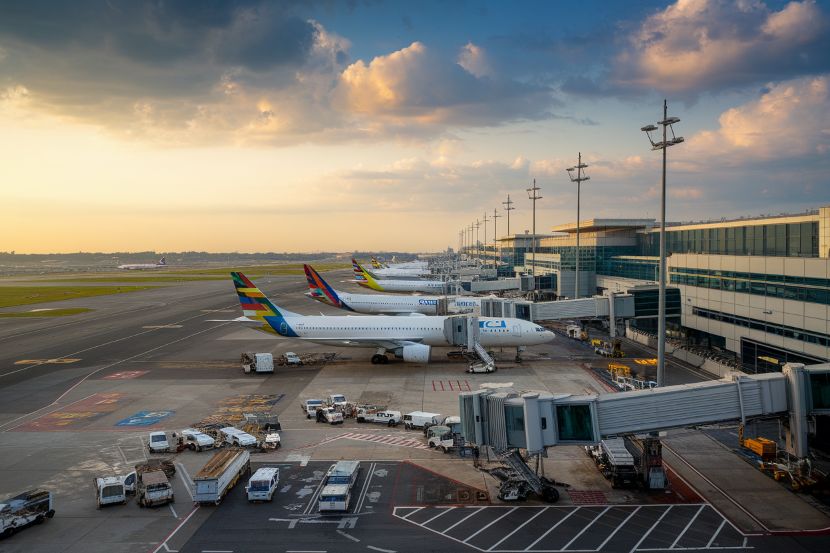
The African Travel and Tourism Association ATTA® reports that Africa’s aviation sector will experience its most substantial international flight capacity growth in 2026, when international flight capacity expands by 18.6 percent. The report demonstrates that increased air transportation capacity brings direct benefits to African tourism growth, which creates new business opportunities for airlines, travel agencies and government organisations.
Aviation Growth Driving Tourism Expansion Across Africa
According to the ATTA® report, 182.4 million departure seats have been scheduled across Africa in 2026, marking a 13.7 percent increase from 2025. The international seat capacity is the primary driver of this growth, with a 18.6 percent surge to 129.5 million seats, while domestic capacity has seen a more modest 3.3 percent increase. This growth reflects Africa’s position as the fastest-growing tourism region, as the continent benefits from a rise in demand for travel services, both internationally and within its borders.
The development of air infrastructure and the expansion of African hubs such as Addis Ababa, Nairobi, Johannesburg, and Casablanca positions the continent as an increasingly important player in the global aviation market. These growing hubs provide both resilience and alternative routes for travellers, especially as disruptions in the Gulf region threaten other established air routes.
Key Markets Powering Aviation Growth
Several key African countries are spearheading this aviation boom:
- Egypt leads with 30.9 million scheduled seats in 2026, marking a 12.6 percent increase in capacity.
- South Africa follows with 26.8 million seats, a 19.6 percent rise.
- Morocco records an impressive 21.8 percent growth, reaching 22.5 million seats.
- Ethiopia, known for its expanding role as a hub for international flights, saw the highest growth rate, with a 31.2 percent increase to 17 million seats.
- Kenya rounds out the top five, with a 22.3 percent increase to 10.2 million seats.
Eastern Africa is currently the fastest-growing sub-region, with seat capacity increasing by 24.3 percent, outpacing both North and Southern Africa in terms of growth. This reflects the increasing appeal of East African destinations and the region’s role in enhancing connectivity across the continent.
Infrastructural Developments Supporting Growth
Africa’s aviation success is supported by extensive investment in airport infrastructure. Major developments include the Bishoftu International Airport in Ethiopia, set to open in 2030. This USD 12.5 billion project will initially handle 60 million passengers annually, with a future capacity of 110 million. The airport will play a pivotal role in facilitating transcontinental air traffic. Similarly, Angola’s Agostinho Neto International Airport, which began operations in 2025, is set to become a key hub with an annual capacity of 15 million passengers.
Advertisement
Advertisement
Other major improvements in Morocco, Rwanda, and South Africa signal a continent-wide commitment to modernising air travel and enhancing the passenger experience. These upgrades will facilitate smoother connections and support the growing demand for travel both within Africa and to international destinations. (airports.org)
Challenges on the Horizon
Despite the positive outlook, the white paper acknowledges that there are still several challenges that need to be addressed for long-term sustainability in Africa’s aviation sector. High taxation, infrastructure bottlenecks, visa complexities, and slow progress in implementing pan-African open skies agreements remain obstacles. To fully unlock Africa’s potential as a global aviation hub, these issues must be tackled through coordinated action from governments, airlines, and the travel trade.
Advertisement
Advertisement
Moreover, the report calls for greater investment in aviation infrastructure, as well as visa facilitation and route development, which will help sustain Africa’s growth as a leading global tourism destination.
Aviation and Tourism: A Symbiotic Relationship
The surge in aviation growth is closely linked to Africa’s rising appeal as a tourism destination. The continent was already recognised in 2025 as the world’s fastest-growing tourism region, with a 10 percent increase in international arrivals, double the global average. Increased flight options and capacity directly facilitate these arrivals, making it easier for international travellers to explore Africa’s diverse attractions, from cultural experiences to wildlife safaris.
The strong aviation growth in Africa opens up new opportunities for multi-destination travel, combining business and tourism. With increased capacity and improved route networks, African destinations like Cape Town, Johannesburg, Victoria Falls, and Botswana are becoming increasingly connected, allowing tourists to enjoy more dynamic and experiential travel itineraries.
A Bright Future for African Aviation
Africa’s aviation industry will experience double-digit growth which will create substantial advantages for the continent’s tourism sector in 2026. Africa has developed into a primary worldwide travel destination through its increased air capacity and infrastructure development and improved regional travel links. The ATTA® report demonstrates that the aviation and infrastructure sector needs funding combined with modern visa procedures and united marketing efforts to maintain its current growth rate. The aviation industry in Africa will keep expanding throughout its development which will create fresh business chances for airlines and investors and tourism partners throughout the continent.