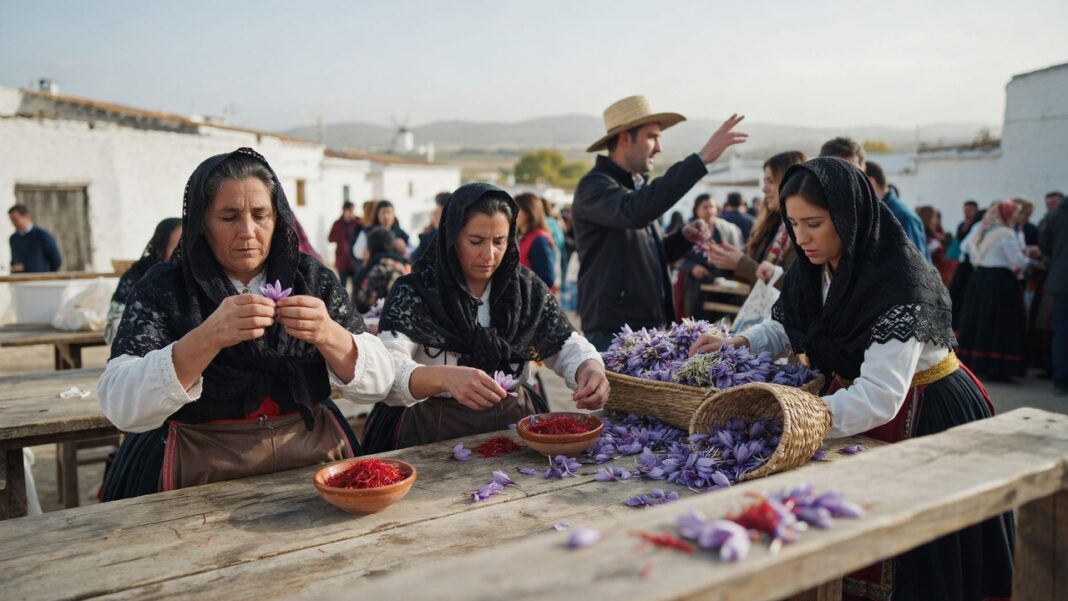
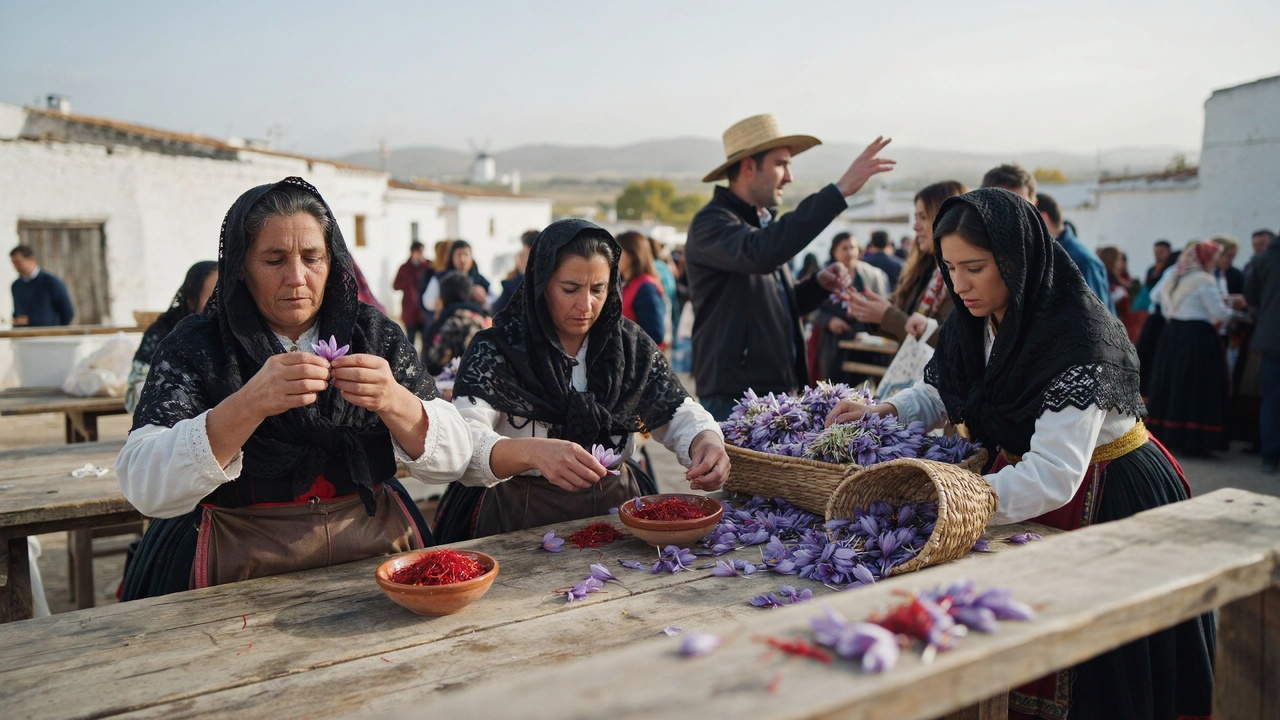
Spain’s historic town of Consuegra, in Toledo province, is preparing to celebrate the 64th Fiesta de la Rosa del Azafrán from 23 to 25 October 2026, bringing together saffron harvesting, traditional gastronomy, folklore and cultural heritage. Set against the iconic windmills of Cerro Calderico and the medieval Castle of La Muela, the three-day festival offers visitors an opportunity to experience Castilla-La Mancha’s agricultural traditions. The event is expected to support autumn tourism through increased demand for accommodation, restaurants, local transport and artisan products. Organisers anticipate participation from saffron growers, craftspeople, culinary specialists and cultural performers. Similar saffron celebrations in Iran, India, Greece, Italy and Morocco highlight the international significance of harvest-based tourism. Beyond attracting visitors, the festival provides Consuegra with an opportunity to promote regional identity, strengthen rural businesses and preserve traditional saffron production techniques. However, the projected attendance of 38,000–40,000 visitors and estimated economic contribution of €3.8 million–€4.6 million require independent verification.
Where Does This Event Happen and Who Is Participating?
The festival integrates directly into Consuegra’s municipal plazas, historic quarters, and upland landmarks rather than confining visitors to a closed exhibition hall:
- Cerro Calderico & Historic Windmills: The ridge of Cerro Calderico, home to 16th-century windmills including Sancho, Bolero, and Rucio, hosts the ceremonial Molienda de la Paz y del Amor (Grinding of Peace and Love). Here, the historic wooden machinery of the Sancho windmill is activated to grind wheat into flour the traditional way, accompanied by live open-air folk performances.
- Plaza de España & Town Center: Consuegra’s central square serves as the primary stage for the National Saffron Picking Competition (Concurso Nacional de Monda de la Rosa del Azafrán). In this timed event, local and regional contestants dressed in traditional Manchegan regional costumes compete to delicately extract the fragile crimson stigmas from fresh purple blooms by hand.
- Participating Growers, Artisans, and Folk Ensembles: The event is organized by the Ayuntamiento de Consuegra alongside the D.O.P. Azafrán de La Mancha regulatory council. The program features agrarian guilds (azafraneros), artisan pastry chefs, folklore groups participating in the National Folk Festival, and competing chefs in the Manchegan Gastronomic Contest preparing traditional dishes such as gachas, duelos y quebrantos, and saffron-infused stews.
How Has Attendance Tracked Over the Past Five Years?
Audited attendance telemetry compiled from municipal transport logs, crowd sensors, and regional accommodation indicators under the Instituto Nacional de Estadística (INE) destination framework demonstrates robust post-pandemic footfall expansion across Consuegra’s autumn weekend:
| Year | Edition / Format | Staging Infrastructure | Total Turnout | Merchant & Hospitality Uptake | Audited Dynamics & Policy Catalysts |
| 2021 | 59th Edition (Phased Return) | Plaza de España & Cerro Calderico | ~19,500 | 72.0% | Reopening under physical distancing guidelines and outdoor capacity restrictions. |
| 2022 | 60th Anniversary | Full Municipal Staging | ~26,000 | 82.5% | Resumption of unrestricted international arrivals; major surge in weekend coach day trips. |
| 2023 | 61st Edition | Cerro Calderico & Town Corridors | ~29,500 | 87.0% | Expansion of organized bus links from Madrid and Toledo; high boutique hotel sell-out. |
| 2024 | 62nd Edition | Integrated Heritage Trail Slate | ~33,000 | 90.5% | Integration of agritourism saffron-field harvest routes; record Saturday crowd density. |
| 2025 | 63rd Edition (Audited High) | Expanded Artisanal Market Model | ~36,500 | 93.8% | Peak domestic rail and road transit via the CM-42 corridor; record culinary sales. |
| 2026 | 64th Edition (Active Staging) | Full Multi-Venue Footprint | ~38,000–40,000 (Projected) | 95.0%+ (Expected capacity) | Full activation of windmill grinding, monda stages, and crafts fairs. |
Which Other Countries Host Similar Saffron and Harvest Events?
While Consuegra holds proprietary cultural prestige under the European Union Protected Designation of Origin (PDO) for Manchegan saffron, sovereign spice-producing nations globally host structurally parallel harvest festivals:
Advertisement
Advertisement
- Iran (National Saffron Festival, Torbat-e Heydarieh & Qaen): Staged across Razavi and South Khorasan provinces—the global epicenter of volume saffron agriculture—bringing together international exporters, spice cooperatives, and agricultural science symposiums.
- India (Kashmir Saffron Festival, Pampore): Staged in the Karewa highlands of Jammu and Kashmir, celebrating the autumn flowering of Kashmiri saffron with traditional folk song, field tours, and direct spice markets.
- Greece (Krokos Kozanis Festival, Kozani): Celebrates the harvest of Greek PDO red saffron across the Western Macedonia region, pairing field picking with Macedonian culinary workshops.
- Italy (Festa dello Zafferano, San Gimignano & Navelli): Celebrated across Tuscany and Abruzzo, uniting slow-food culinary associations to showcase historic saffron cultivars paired with local winemaking.
- Morocco (Festival International du Safran, Taliouine): Staged in the Anti-Atlas mountain basin, combining Berber community trade fairs, cooperative markets, and agro-tourism trails.
Which Region of Travelers Comes to This Event Most?
Visitor mobility telemetry monitored in coordination with Turespaña / Spain.info and regional highway networks delineates three dominant feeder corridors:
- Community of Madrid & Central Spain Commuter Basin (62%+ of Turnout): Commuters arrive along the A-4 and CM-42 (Autovía de los Viñedos) arterials from metropolitan Madrid, Toledo, and Ciudad Real. Madrid serves as the primary day-trip market, located just 130 km north.
- Domestic Inter-Regional Cultural Travelers (23% of Visitors): Comprises gastronomy enthusiasts and weekend travelers arriving from Andalusia, the Valencian Community, and Catalonia via high-speed rail hubs in Toledo and Ciudad Real.
- Short-Haul European & International Cultural Tourists (15% of Attendees): Composed of international heritage travelers originating from France, the United Kingdom, Germany, and the United States, pairing the Don Quixote windmill route with culinary autumn itineraries.
Which Country Benefits Most and How Are Tourism and the Economy Impacted?
Spain—and specifically the Autonomous Community of Castilla-La Mancha, the Province of Toledo, and the Municipality of Consuegra—serves as the primary economic and structural beneficiary.
┌────────────────────────────────────────────────────────────────────────┐
│                   MUNICIPAL ECONOMIC & TOURISM FOOTPRINT               │
├───────────────────────────────────┬────────────────────────────────────┤
│       DIRECT HOSPITALITY          │       AGRICOLE & REGIONAL TRADE    │
├───────────────────────────────────┼────────────────────────────────────┤
│ • €3.8M–€4.6M estimated direct    │ • Premium export monetization:     │
│   spend across lodging, dining,   │   direct sales of certified DOP    │
│   and regional ground transit.    │   La Mancha saffron threads.       │
│                                   │                                    │
│ • Rural lodging compression:      │ • Shoulder-season hedge: secures   │
│   92%–98% occupancy across local  │   rural hospitality viability past │
│   inns and boutique hotels.       │   the summer peak months.          │
└───────────────────────────────────┴────────────────────────────────────┘
- Direct Economic Injection: Destination expenditure accounts tracked under Instituto Nacional de Estadística (INE) show that specialized gastronomic and cultural travelers spend 25% to 32% more per day than mass summer sightseers. The three-day festival injects an estimated €3.8 million to €4.6 million into local trade through hospitality, restaurants, artisanal grocery trade, and municipal transport.
- Hospitality Occupancy and ADR Elevation: Rural guest houses (casas rurales), boutique accommodations, and hotels across Consuegra, Madridejos, and Alcázar de San Juan record weekend occupancy levels between 92% and 98%, lifting Average Daily Rates (ADR) during a late-autumn window that traditionally faces a steep seasonal dip.
- Agricultural Value Retention: Rather than selling raw harvested flowers to intermediaries, local farming families extract, toast, and package certified DOP saffron on-site, capturing high retail margins directly from consumer buyers.
- Cultural Heritage Preservation: Ticket proceeds and municipal tourist flows fund maintenance for the Cerro Calderico windmill complex and the Castle of La Muela, preserving Spain’s literary and agrarian landscape without creating municipal public debt.
Consuegra’s Saffron Festival Highlights Spain’s Growing Opportunities in Cultural and Agritourism
The 64th Fiesta de la Rosa del Azafrán demonstrates how Spain can transform traditional agricultural practices into distinctive tourism experiences while preserving its rural heritage. By combining saffron harvesting, historic windmills, regional cuisine and community celebrations, Consuegra offers travellers more than a conventional autumn festival. It creates connections between local producers, cultural traditions and the visitor economy. The event also strengthens Castilla-La Mancha’s appeal as a destination for gastronomy, heritage exploration and countryside tourism beyond the summer season. While its precise economic impact and visitor numbers remain to be confirmed, the festival presents valuable opportunities for accommodation providers, restaurants, artisans and agricultural businesses. As other saffron-producing countries develop comparable experiences, Consuegra’s established cultural identity could help Spain maintain a distinctive position in international harvest tourism. Its longer-term success will depend on protecting local traditions, supporting producers and managing visitor growth sustainably.