Europe’s youngest travellers are turning the traditional holiday upside down. Beaches and landmarks still matter. But many now want to fly home with a new ability, not just another photograph. Cooking regional dishes, shaping clay and learning languages can now become the reason for a trip. Mastercard found that 57% of surveyed 18–24-year-olds had planned a dedicated skill-based trip this year. Across its wider sample, 48% intended to learn a skill on their summer holiday. Skillcations in Europe are attracting attention from tourism businesses, but the evidence tells a more interesting story than a simple claim of unstoppable growth.
What Makes a Skillcation Different From an Ordinary Holiday?
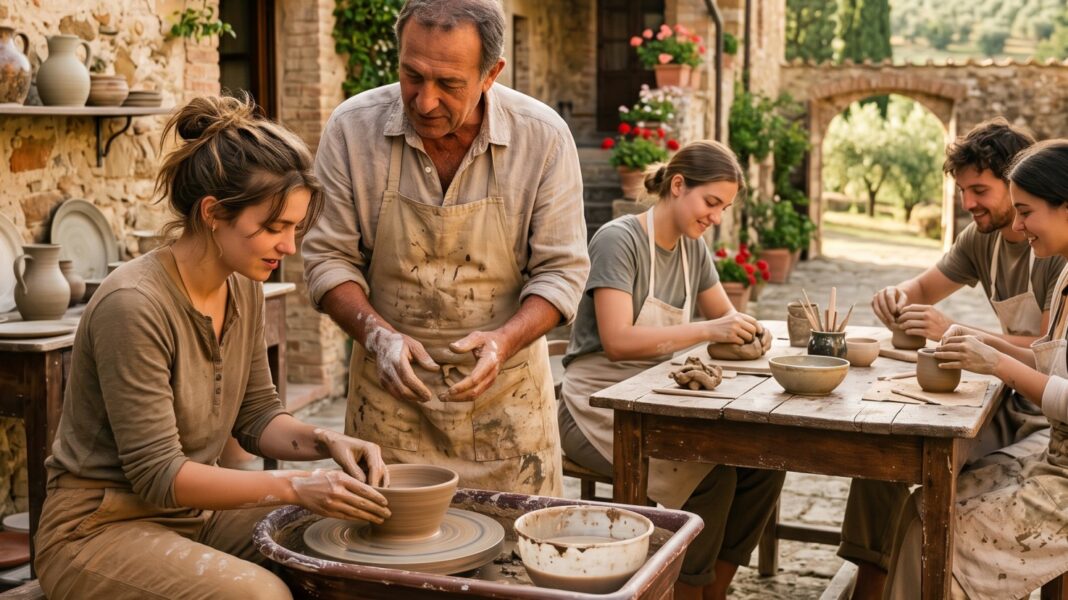
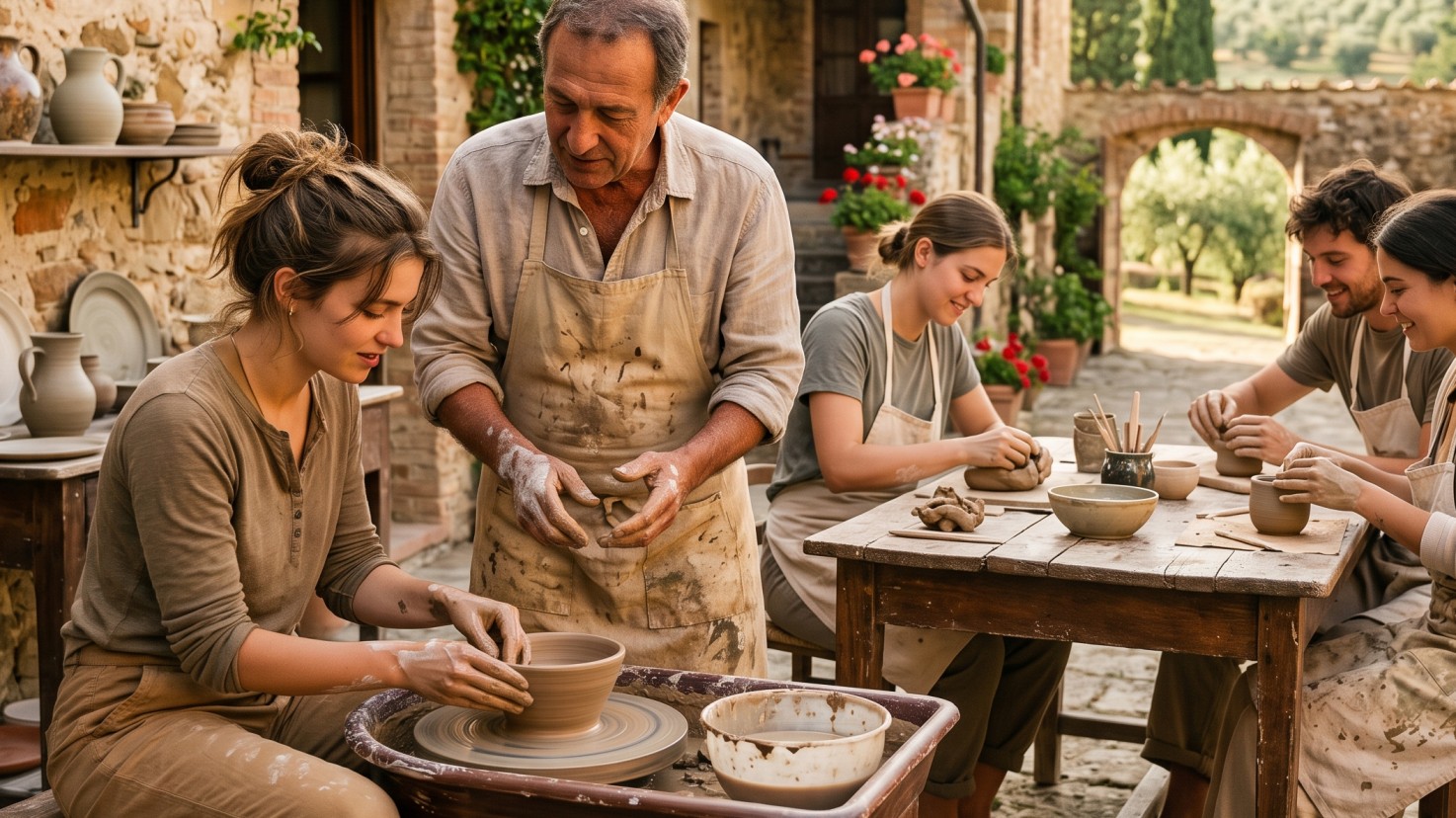
A skillcation places learning at the heart of the travel experience. Visitors might study ceramics with an artisan, practise photography with a local guide or take a cooking lesson with a chef. Some develop one ability. Others add a two-hour workshop to a city break. The difference lies in participation.
Advertisement
Advertisement
Instead of watching a demonstration or visiting a famous landmark, travellers practise a technique themselves. This approach blends leisure, personal development and cultural discovery. It also gives destinations a fresh way to explain their identity. A learning holiday offers more than entertainment: it provides expert guidance and a tangible outcome.
Why Are Travellers Aged 18–24 Leading This Change?
The clearest generational signal comes from Mastercard’s July 2026 survey. Among respondents aged 18–24, 57% said they had planned a dedicated skill-based trip during the year. The figure was 52% for the separately reported 24–34 age bracket.
Advertisement
Advertisement
These results place younger adults at the centre of the discussion about Gen Z travel trends. They suggest that learning can help shape a destination choice, not merely fill a spare afternoon. However, the survey records people’s reported plans. It does not show how many trips were completed, nor does it provide a reliable year-on-year growth rate for this age group.
How Many Europeans Actually Want Learning Holidays?
Mastercard surveyed 27,000 people across 28 countries in February 2026 and published its findings on 1 July. It found that 48% planned to learn a skill during their summer break. Strikingly, 37% said they had already booked a holiday specifically to acquire one. These are related but different measures.
Advertisement
Advertisement
A traveller intending to join a single language class is not necessarily buying a week-long course. The booking figure is self-reported, rather than an audited count of purchases. Still, the results show that interest extends beyond idle curiosity. Learning holidays for young travellers now sit within a growing consumer conversation.
Why Does Learning Make a Journey Feel More Valuable?
The appeal extends beyond acquiring a practical ability. In Mastercard’s study, 51% of respondents said a holiday felt more meaningful when they learnt something new. Another 48% believed new skills made better reminders of a trip than traditional souvenirs. This helps explain the emotional attraction. A photograph captures a moment, but a recipe or craft technique can be used again at home. Meeting the person who teaches it may deepen a visitor’s understanding of local life. Such experiences can also create stories worth sharing. These findings reveal attitudes, however, rather than proving that every learning holiday necessarily delivers greater satisfaction.
Which Skills Are Winning the Battle for Travellers’ Attention?
Language learning led Mastercard’s 2026 preferences, attracting 30% of respondents. Cooking lessons and food or drink production each appealed to 28%. Wellness and movement followed at 25%, with traditional crafts on 24% and creative arts on 23%. Sports attracted 19%, while outdoor survival skills appealed to 18%.
Heritage techniques accounted for 14% and sustainable living for 13%. These categories explain why Skill-based holidays in Europe can take remarkably different forms for different travellers. A visitor might make cheese, learn weaving or practise navigation. The percentages indicate interests, not confirmed bookings, and respondents could express enthusiasm for more than one activity.
How Do Preferences Differ Across European Nationalities?
The demand is not identical across countries. Mastercard found that 45% of surveyed Serbians were interested in learning languages. Among Romanians, 41% favoured cooking classes. Swedes showed particular enthusiasm for food and drink production, at 37%, while 35% of Slovenians preferred wellness and movement. Traditional crafts attracted 31% of Italians. Around 31% of Croatians and Serbians expressed interest in creative arts, and 28% of Ukrainians favoured athletic skills. These patterns give operators clues about potential audiences as they tailor their programmes. Yet they describe the nationalities of surveyed travellers, not the destinations receiving bookings or the profitability of particular activities.
Is Digital Fatigue Helping Hands-On Experiences Take Off?
A separate Mastercard release in May 2026 adds context. It found that 60% of surveyed Europeans prioritised offline activities to balance screen time, while 64% preferred personal recommendations over algorithms. Another 58% sought communal experiences, and 59% said experiences mattered more to them than before.
Advertisement
Advertisement
The findings illuminate why workshops may resonate. Learning pottery or preparing food requires concentration, conversation and physical involvement. Participants engage closely with people and materials, rather than simply looking at a screen. Digital fatigue may therefore support demand for human-led holidays. The data do not, however, establish it as the direct cause of skillcation bookings.
Are Real Booking Figures Supporting the Excitement?
There is stronger evidence from activity bookings, although its geographical scope matters. Tripadvisor’s official August 2026 Mid-Year Experiences Trends Report found that craft classes were its fastest-growing global experience category. Bookings rose 88% between January and June 2026 compared with the same months in 2025. Cooking, craft and dance classes also achieved average ratings above 4.8 out of five. This is important because it measures purchases on a booking platform, not just intentions. Yet the 88% increase is worldwide, not Europe-specific. It clearly supports rising demand for practical experiences without establishing the growth rate of Europe’s entire skillcation market.
Why Are Italy and Spain Important to Culinary Skillcations?
Europe’s food traditions give learning-led tourism an obvious foundation. Tripadvisor’s September 2026 Travellers’ Choice results placed a pasta and tiramisu class in Rome first worldwide among cooking experiences. A Tuscan pizza or pasta class ranked fifth, while paella lessons in Valencia and Barcelona ranked seventh and eighth. These placements reflect traveller reviews, not the number of people attending classes.
Spain’s official tourism portal also advertises a multi-day ceramics and cultural programme in Andalusia, illustrating a more specialised type of learning break. Together, these examples show how familiar destinations can offer hands-on activities that go beyond tasting food or touring monuments.
How Are France and Slovenia Turning Creativity Into Tourism?
Creativity is becoming a reason to visit, not simply something to admire. France’s national tourism authority highlighted its April 2026 European Days of Arts and Crafts, when visitors could discover glassmaking, ceramics and leatherwork. Airbnb’s September 2026 Art Basel Paris announcement promoted an artist-led painting workshop. Meanwhile, the Slovenian Tourist Board reported that Ljubljana’s Center Rog introduced an eight-day creative retreat for August 2026.
Designed for five or six international guests, it combined ceramics, jewellery-making and studio visits. These examples show two distinct models: short, accessible hands-on workshops and immersive small-group retreats. Neither announcement establishes nationwide booking growth by itself.
Advertisement
Advertisement
Can Sport and Wellness Become Powerful Learning Holidays?
Not every new ability is artistic or culinary. Mastercard’s findings put wellness and movement at 25% of respondents, followed by sports at 19%. Slovenia offers one practical example. In July 2026, its tourism authorities highlighted a Lake Bled experience where visitors could learn rowing fundamentals alongside Olympic athletes and experienced coaches. The wider programme formed part of a €14.6 million tourism infrastructure investment. Such products may combine memorable scenery with professional instruction. Yoga, surfing and outdoor navigation offer other possibilities. Operators still need qualified teachers, realistic learning goals and suitable safety measures, especially when beginners attempt demanding physical activities.
Why Might Local Businesses Benefit From the Shift?
Skillcations can create income for people whose expertise seldom appears in sightseeing packages. Mastercard’s July survey found that 42% would pay more for a holiday teaching a skill. Its May research showed that 57% would spend more on experiences benefiting local businesses, while 51% actively sought small firms. Its economic analysis also found experiences, excluding travel, accounted for 20.4% of consumer spending in 2025, up from 19.9% in 2024. These trends offer hope to artisans, cooks and instructors. But willingness to pay is not guaranteed income. Earnings depend on class sizes, operating costs and the share retained locally.
What Do the Latest EU Tourism Figures Tell Us?
The opportunity sits within Europe’s travel economy. According to Eurostat’s September 2026 accommodation release, tourist establishments across the EU recorded 1.321 billion overnight stays during the first half of 2026. That represented 1.7% growth on the previous year. Nights spent by foreign visitors increased 2.5%, compared with 0.9% for domestic visitors. These figures show travel activity and the scale of the potential audience for workshops. They do not identify how many guests took classes. Accommodation nights are not skillcation bookings or proof of growth in learning travel.
Could Europe’s Huge Domestic Market Sustain Short Courses?
Another Eurostat release published in October 2026 adds perspective. EU residents made 1.20 billion personal and professional trips in 2025, and 92% stayed within the EU. Residents spent €266.2 billion on domestic trips and €379.4 billion on foreign journeys. This points to opportunities beyond long-haul travel.
A weekend craft retreat or food workshop could appeal to people holidaying near home. Yet these totals include many travel costs. No official share has been assigned to skill-based activities, so calculating a European skillcation market value from them would be misleading.
Why Could Lesser-Known Places Gain New Visitors?
The European Travel Commission’s July 2026 sentiment research found that 81% of surveyed Europeans planned to travel between June and November. It also reported that 52% preferred lesser-known or off-the-beaten-path destinations. This matters because skills are not confined to capitals.
Advertisement
Advertisement
A craftsperson in a small town can teach techniques with local roots, while a rural producer can explain methods visitors rarely encounter elsewhere. Experiential travel trends in Europe may therefore help tourism businesses develop reasons to visit quieter places. The opportunity is real, but the survey does not prove that skillcations have already shifted visitor flows away from overcrowded cities.
Can Learning Trips Spread Tourism Benefits More Fairly?
A well-designed workshop can direct visitor spending towards local instructors, farms and studios. Smaller groups may also create space for meaningful exchanges rather than hurried mass-market encounters. Slovenia’s 2026 promotion of regional experiences, including rowing at Lake Bled and guided photography in the Upper Idrijca Landscape Park, illustrates this approach.
But responsible tourism requires more than a good story. Operators should explain who provides tuition, where materials come from and how communities genuinely benefit. A workshop marketed as authentic can still leave little income locally. Nor is every skillcation automatically sustainable; transport, resource use and visitor pressure remain important considerations.
Will High Prices and Practical Barriers Slow the Momentum?
Demand does not remove the realities of holiday planning. The European Travel Commission found that rising costs worried 22% of surveyed travellers, while 17% cited personal finances. The most common intended trip-budget range was €1,500–€2,500, selected by 29%. Its October barometer also found that overseas travellers’ intention to visit Europe fell from 38% to 34% year on year.
Dedicated courses can require accommodation, equipment and specialist tuition. Short workshops offer a cheaper alternative. Providers must consider language barriers, accessibility and teaching suitable for beginners. Sporting activities need safety procedures. Clear prices and learning outcomes help travellers decide.
What Does the Research Still Fail to Prove?
The evidence deserves excitement, but also precision. Mastercard measured survey responses in 28 countries in February 2026, including Israel, which is outside geographical Europe. Its booking figures reflect what respondents said they had arranged, not independently checked transactions. Tripadvisor’s 88% craft-class increase applies to its global platform, rather than all European providers.
Advertisement
Advertisement
Eurostat counts tourism activity without a separate skillcation category. Consequently, no verified Europe-wide market value or reliable comparable annual growth rate emerges from these sources. The defensible conclusion is that demand and related bookings are strong. Claims that skillcations have overtaken conventional holidays would go beyond the available evidence.
Why the Skillcation Shift Could Reshape European Travel
The strongest signal from 2026 is a change in what people want to take home. Young travellers are showing particular enthusiasm for journeys built around gaining an ability, while wider consumer research points towards meaningful, personal experiences. Cooking classes, craft retreats and sporting lessons give destinations another way to attract visitors and support local expertise.
For tourism businesses, the next challenge is turning interest into affordable, well-run products with measurable results. For travellers, the reward may be a holiday that continues to matter after they leave. Skillcations in Europe have clear momentum, even if the industry’s full size remains unmeasured.